6 Lawn Pests to Watch Out for This Autumn

6 Lawn Pests to Watch Out for This Autumn

As summer fades and autumn sets in, most homeowners assume their lawns are safe from damage. After all, the cooler temperatures and shorter days often reduce plant stress, making grass appear healthier. However, fall is actually a critical time when certain lawn pests become more active, feeding on grass roots, blades, or soil nutrients as they prepare for winter. If left unchecked, these pests can cause unsightly brown patches, thinning turf, or even long-term lawn damage that persists into spring.

In this article, we’ll take an in-depth look at six common lawn pests to watch out for this autumn, how to identify them, and effective ways to manage and prevent infestations.


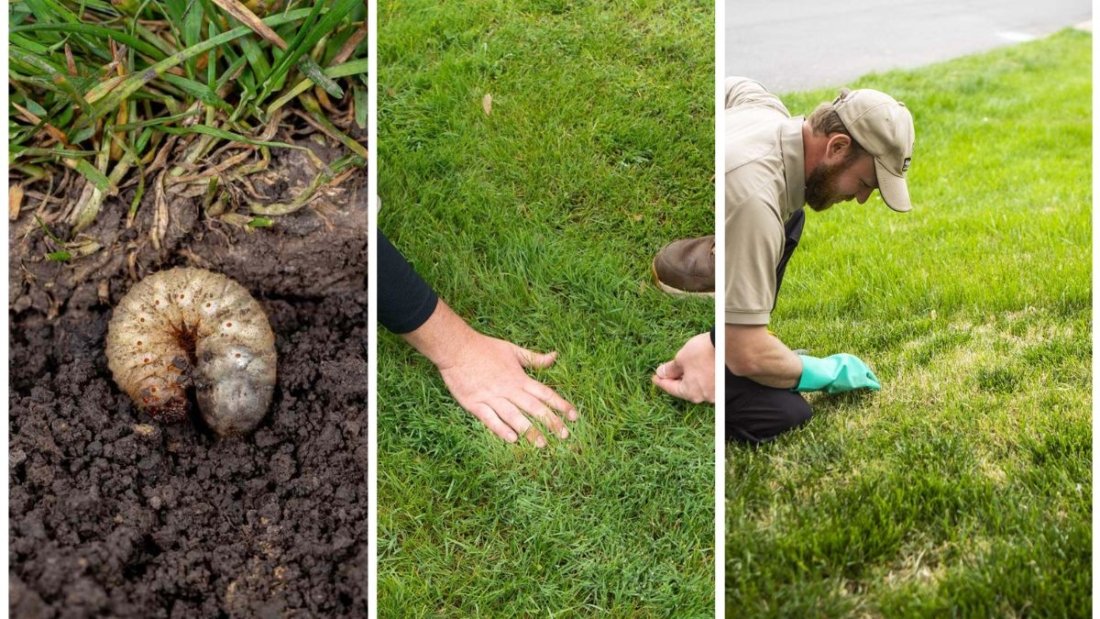
1. Grubs
What They Are:
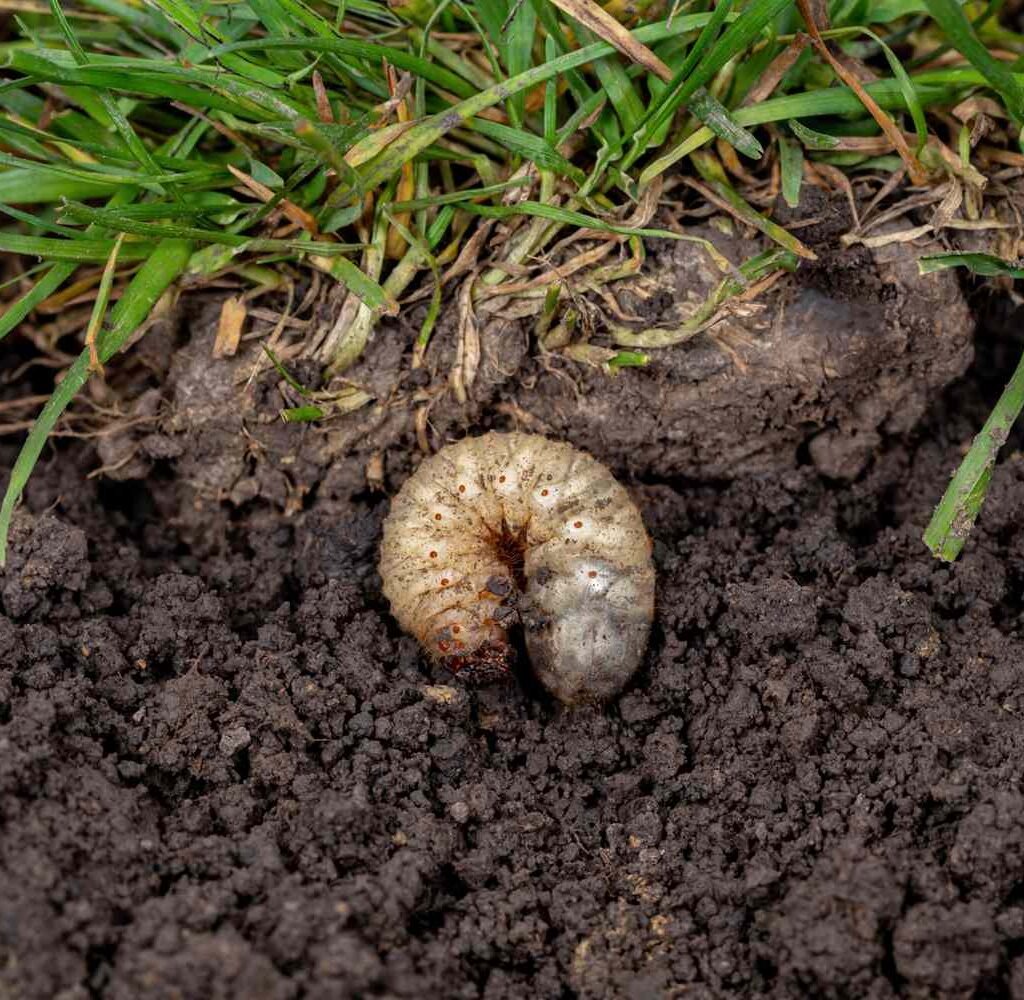
Grubs are the larvae of beetles such as Japanese beetles, June beetles, or chafer beetles. These white, C-shaped insects live beneath the soil surface and feed on grass roots.

Why They’re a Problem in Autumn:
In early autumn, grubs are in their most destructive stage. They aggressively consume grass roots, causing turf to weaken and die. Because the soil is still warm in fall, grub activity peaks during this season.

Signs of Grub Damage:

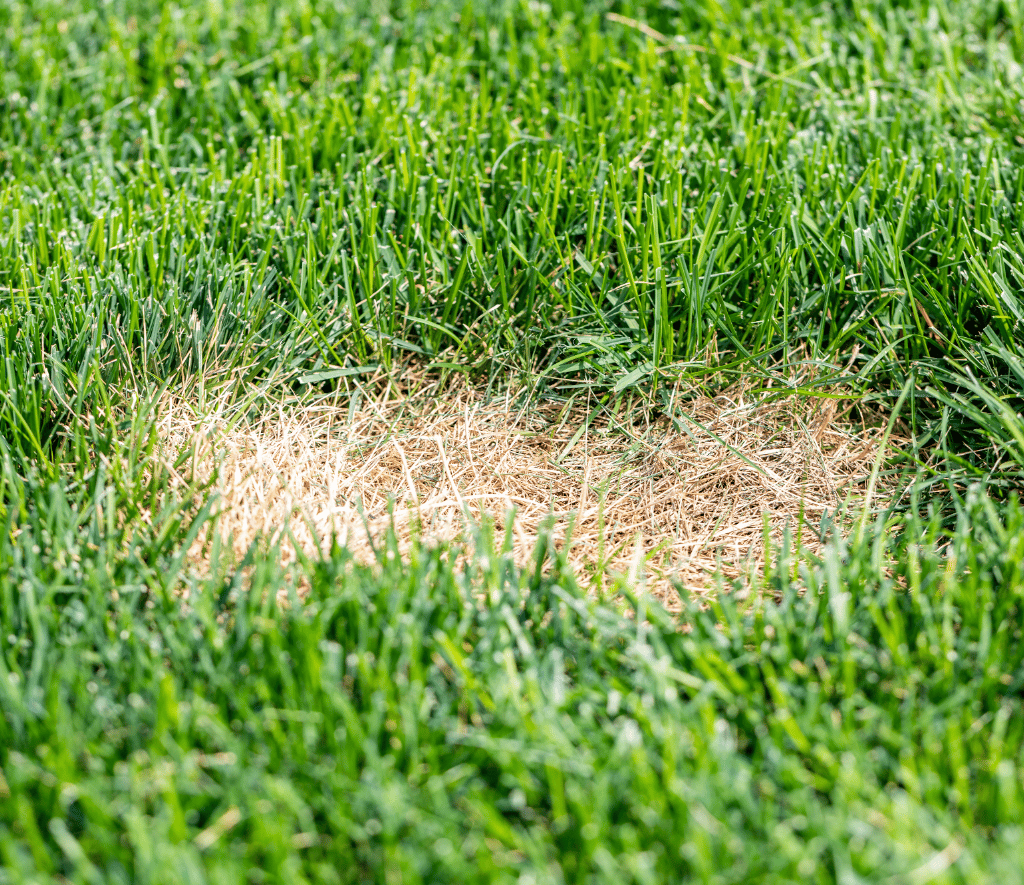
  • Brown, irregular patches of dying grass
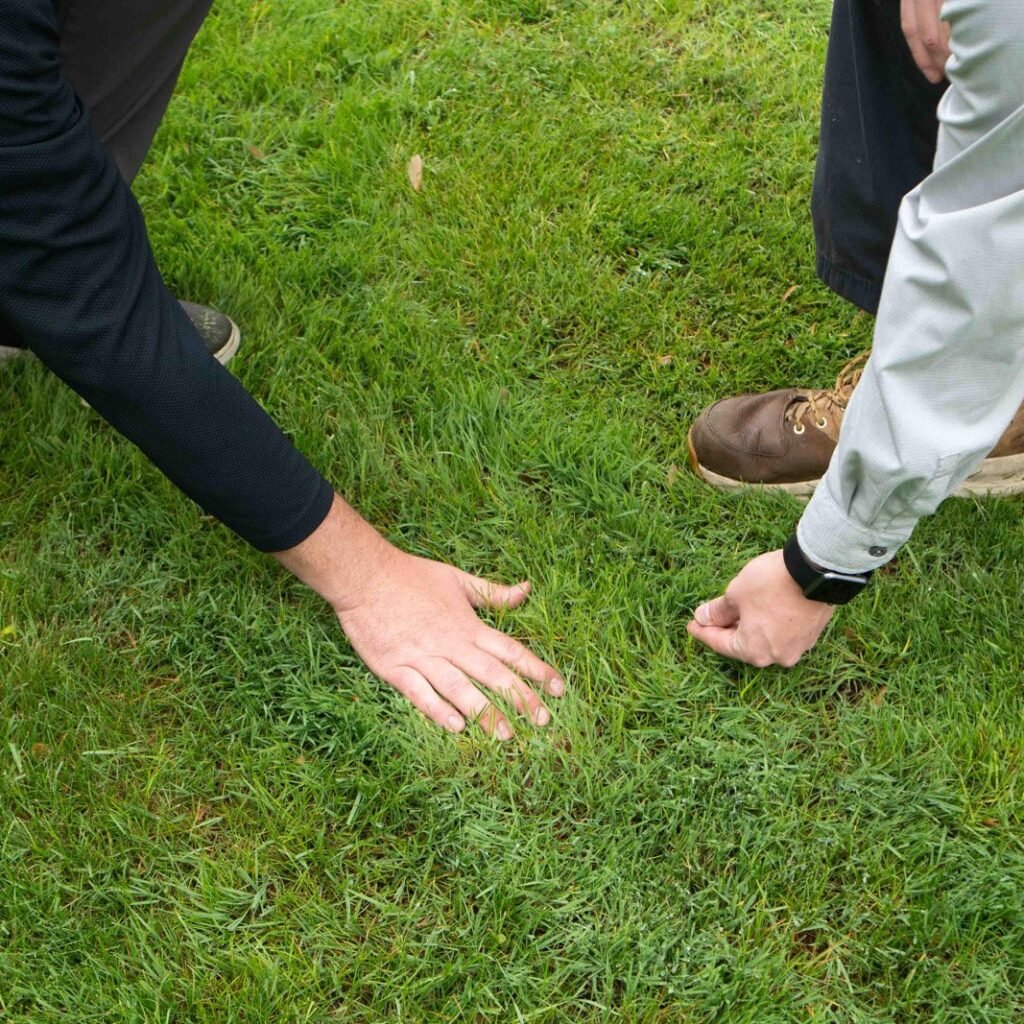
  • Grass that lifts easily like a carpet due to root damage
  • Increased presence of birds, raccoons, or skunks digging in your lawn (they feed on grubs)

How to Control Grubs:

  • Apply a fall grub control treatment containing ingredients like imidacloprid or chlorantraniliprole.
  • Encourage natural predators, such as nematodes, which feed on grubs.
  • Keep your lawn well-aerated and dethatched to discourage beetle egg-laying.

2. Chinch Bugs
What They Are:
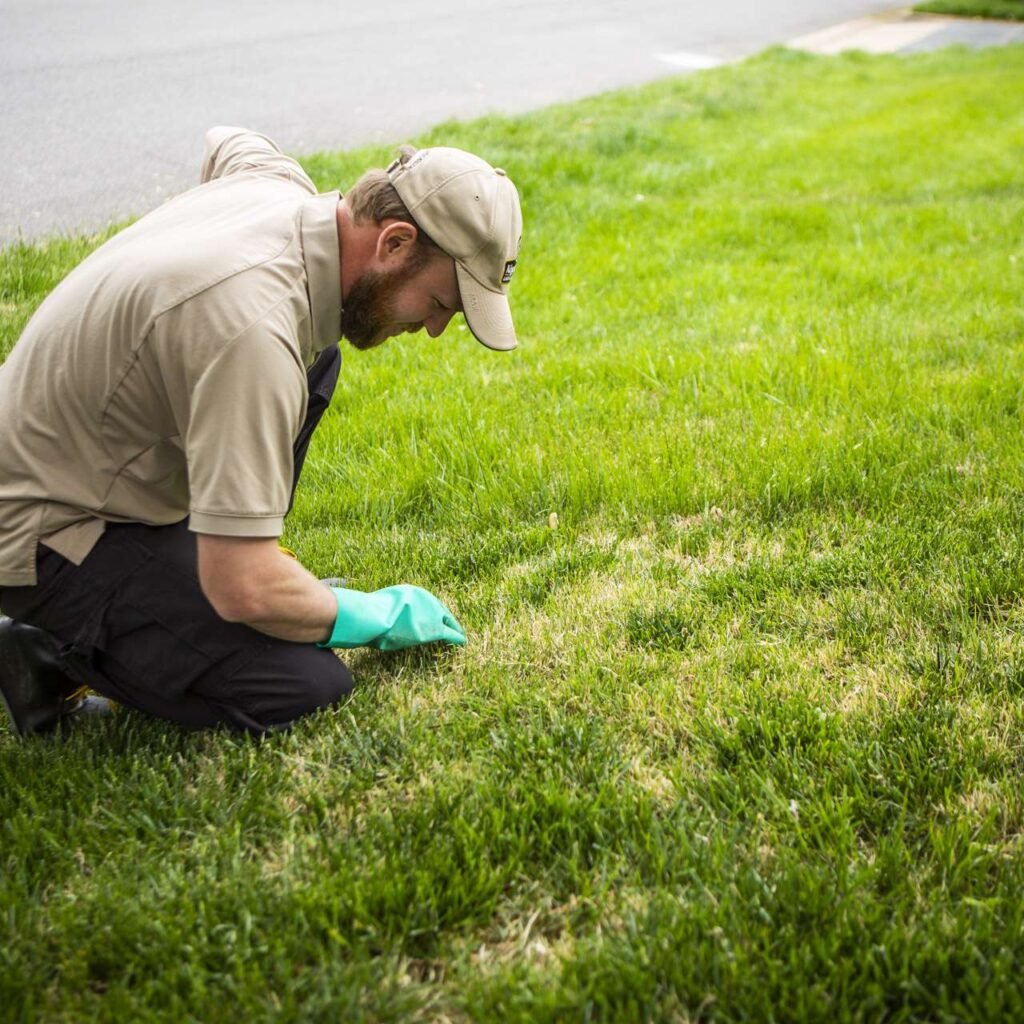
Chinch bugs are small, black-and-white insects that suck the sap from grass blades. Though they are most active in summer, they can persist into early autumn, particularly in warm regions.

Why They’re a Problem in Autumn:
If autumn remains warm and dry, chinch bugs continue feeding, leaving behind yellowing and dead grass patches that resemble drought damage.

Signs of Chinch Bug Damage:

  • Patches of yellow or brown grass that spread outward
  • Grass that feels dry and brittle despite regular watering
  • Visible tiny black insects with white wings at the soil surface

How to Control Chinch Bugs:

  • Keep your lawn properly watered to reduce stress.
  • Overseed with resistant grass varieties, such as endophyte-enhanced fescues.
  • Apply insecticidal soap or pyrethroid-based treatments if the infestation is severe.

3. Armyworms
What They Are:
Armyworms are the larvae of moths. They are caterpillar-like pests with green, brown, or striped bodies. As their name suggests, they move in groups (“armies”), consuming large sections of grass in a short time.

Why They’re a Problem in Autumn:
Armyworms thrive in cooler weather after summer, especially in September and October. They feed at night, chewing grass blades down to the crown. Large infestations can devastate an entire lawn in just days.

Signs of Armyworm Damage:

  • Rapidly expanding bare patches
  • Grass that appears chewed or scalped
  • Birds feeding on your lawn in large numbers
  • Visible caterpillars when you inspect the lawn closely in the early morning or evening

How to Control Armyworms:

  • Mow and water the lawn regularly to reduce stress and promote recovery.
  • Apply biological controls such as Bacillus thuringiensis (Bt), which targets caterpillars.
  • Use insecticides labeled for armyworm control in severe outbreaks.

4. Sod Webworms

What They Are:
Sod webworms are the larvae of small lawn moths. These worms live in silk-lined tunnels at the base of grass and feed at night on the leaves and stems.

Why They’re a Problem in Autumn:
While their activity peaks in summer, sod webworms often have a second generation in fall. During this period, they feed heavily, thinning out lawns that are already weakened from summer stress.

Signs of Sod Webworm Damage:

  • Small brown patches that gradually enlarge
  • Ragged, chewed grass blades
  • Silky tunnels or webbing at soil level
  • Increased moth activity flying over the lawn in the evening

How to Control Sod Webworms:

  • Water deeply and fertilize in fall to help lawns recover from damage.
  • Encourage natural predators like birds and beneficial nematodes.
  • Apply biological or chemical insecticides if damage is widespread.

5. Billbugs
What They Are:
Billbugs are beetles whose larvae, like grubs, feed on grass stems and roots. Unlike grubs, billbug larvae are legless and tunnel inside grass stems before moving to the roots.

Why They’re a Problem in Autumn:
In fall, billbug larvae complete their feeding cycle, causing grass crowns and roots to weaken. Infestations often mimic drought damage, making them difficult to identify without closer inspection.

Signs of Billbug Damage:

  • Grass that turns brown and pulls up easily
  • Sawdust-like frass (insect waste) near the base of plants
  • Dead patches that expand despite regular watering

How to Control Billbugs:

  • Overseed with resistant turfgrass varieties, such as perennial ryegrass.
  • Aerate and dethatch to improve lawn health and make it less attractive to pests.
  • Apply systemic insecticides in spring or fall when larvae are active.

6. Cutworms

What They Are:
Cutworms are nocturnal caterpillars that feed on grass stems at or near the soil surface. They are usually gray or brown and curl up into a C-shape when disturbed.

Why They’re a Problem in Autumn:
Cooler autumn nights encourage cutworm activity. They cut grass blades near the crown, often leaving circular bare spots that expand with time.

Signs of Cutworm Damage:

  • Small circular patches of dead grass
  • Grass blades cut off at soil level
  • Visible caterpillars at night or early morning when inspected with a flashlight

How to Control Cutworms:

  • Encourage natural predators such as birds and ground beetles.
  • Use biological controls like Bt (Bacillus thuringiensis) for caterpillar management.
  • Apply targeted insecticides if infestations are severe.

Preventing Lawn Pest Problems in Autumn

While treatments help manage existing pest infestations, prevention is the most effective strategy for long-term lawn health. Here are key steps to keep pests at bay:

  1. Aerate and Dethatch: Improves soil health and reduces the buildup of thatch, which harbors pests.
  2. Fertilize in Fall: Applying a fall fertilizer strengthens grass roots, helping your lawn resist pest damage.
  3. Overseed Thin Areas: A dense lawn is less attractive to insects.
  4. Water Properly: Deep, infrequent watering discourages pests while supporting grass health.
  5. Monitor Regularly: Inspect your lawn weekly for early signs of pest activity.

Conclusion

Autumn is a critical season for lawn care, and pests like grubs, chinch bugs, armyworms, sod webworms, billbugs, and cutworms pose significant threats to turf health. By learning to identify the warning signs and taking preventive measures, you can stop pests before they cause lasting damage.

A proactive approach—combining cultural practices like aeration and overseeding with targeted treatments—ensures that your lawn not only survives the autumn pest season but also emerges greener and stronger in spring.

In short, keeping an eye on these six common lawn pests this autumn can mean the difference between a struggling yard and a lush, healthy landscape that enhances your home’s beauty year-round.
As summer fades and autumn sets in, most homeowners assume their lawns are safe from damage. After all, the cooler temperatures and shorter days often reduce plant stress, making grass appear healthier. However, fall is actually a critical time when certain lawn pests become more active, feeding on grass roots, blades, or soil nutrients as they prepare for winter. If left unchecked, these pests can cause unsightly brown patches, thinning turf, or even long-term lawn damage that persists into spring.

In this article, we’ll take an in-depth look at six common lawn pests to watch out for this autumn, how to identify them, and effective ways to manage and prevent infestations.


1. Grubs

What They Are:
Grubs are the larvae of beetles such as Japanese beetles, June beetles, or chafer beetles. These white, C-shaped insects live beneath the soil surface and feed on grass roots.

Why They’re a Problem in Autumn:
In early autumn, grubs are in their most destructive stage. They aggressively consume grass roots, causing turf to weaken and die. Because the soil is still warm in fall, grub activity peaks during this season.

Signs of Grub Damage:

  • Brown, irregular patches of dying grass
  • Grass that lifts easily like a carpet due to root damage
  • Increased presence of birds, raccoons, or skunks digging in your lawn (they feed on grubs)

How to Control Grubs:

  • Apply a fall grub control treatment containing ingredients like imidacloprid or chlorantraniliprole.
  • Encourage natural predators, such as nematodes, which feed on grubs.
  • Keep your lawn well-aerated and dethatched to discourage beetle egg-laying.

2. Chinch Bugs

What They Are:
Chinch bugs are small, black-and-white insects that suck the sap from grass blades. Though they are most active in summer, they can persist into early autumn, particularly in warm regions.

Why They’re a Problem in Autumn:
If autumn remains warm and dry, chinch bugs continue feeding, leaving behind yellowing and dead grass patches that resemble drought damage.

Signs of Chinch Bug Damage:

  • Patches of yellow or brown grass that spread outward
  • Grass that feels dry and brittle despite regular watering
  • Visible tiny black insects with white wings at the soil surface

How to Control Chinch Bugs:

  • Keep your lawn properly watered to reduce stress.
  • Overseed with resistant grass varieties, such as endophyte-enhanced fescues.
  • Apply insecticidal soap or pyrethroid-based treatments if the infestation is severe.

3. Armyworms

What They Are:
Armyworms are the larvae of moths. They are caterpillar-like pests with green, brown, or striped bodies. As their name suggests, they move in groups (“armies”), consuming large sections of grass in a short time.

Why They’re a Problem in Autumn:
Armyworms thrive in cooler weather after summer, especially in September and October. They feed at night, chewing grass blades down to the crown. Large infestations can devastate an entire lawn in just days.

Signs of Armyworm Damage:

  • Rapidly expanding bare patches
  • Grass that appears chewed or scalped
  • Birds feeding on your lawn in large numbers
  • Visible caterpillars when you inspect the lawn closely in the early morning or evening

How to Control Armyworms:

  • Mow and water the lawn regularly to reduce stress and promote recovery.
  • Apply biological controls such as Bacillus thuringiensis (Bt), which targets caterpillars.
  • Use insecticides labeled for armyworm control in severe outbreaks.

4. Sod Webworms

What They Are:
Sod webworms are the larvae of small lawn moths. These worms live in silk-lined tunnels at the base of grass and feed at night on the leaves and stems.

Why They’re a Problem in Autumn:
While their activity peaks in summer, sod webworms often have a second generation in fall. During this period, they feed heavily, thinning out lawns that are already weakened from summer stress.

Signs of Sod Webworm Damage:

  • Small brown patches that gradually enlarge
  • Ragged, chewed grass blades
  • Silky tunnels or webbing at soil level
  • Increased moth activity flying over the lawn in the evening

How to Control Sod Webworms:

  • Water deeply and fertilize in fall to help lawns recover from damage.
  • Encourage natural predators like birds and beneficial nematodes.
  • Apply biological or chemical insecticides if damage is widespread.

5. Billbugs

What They Are:
Billbugs are beetles whose larvae, like grubs, feed on grass stems and roots. Unlike grubs, billbug larvae are legless and tunnel inside grass stems before moving to the roots.

Why They’re a Problem in Autumn:
In fall, billbug larvae complete their feeding cycle, causing grass crowns and roots to weaken. Infestations often mimic drought damage, making them difficult to identify without closer inspection.

Signs of Billbug Damage:

  • Grass that turns brown and pulls up easily
  • Sawdust-like frass (insect waste) near the base of plants
  • Dead patches that expand despite regular watering

How to Control Billbugs:

  • Overseed with resistant turfgrass varieties, such as perennial ryegrass.
  • Aerate and dethatch to improve lawn health and make it less attractive to pests.
  • Apply systemic insecticides in spring or fall when larvae are active.

6. Cutworms

What They Are:
Cutworms are nocturnal caterpillars that feed on grass stems at or near the soil surface. They are usually gray or brown and curl up into a C-shape when disturbed.

Why They’re a Problem in Autumn:
Cooler autumn nights encourage cutworm activity. They cut grass blades near the crown, often leaving circular bare spots that expand with time.

Signs of Cutworm Damage:

  • Small circular patches of dead grass
  • Grass blades cut off at soil level
  • Visible caterpillars at night or early morning when inspected with a flashlight

How to Control Cutworms:

  • Encourage natural predators such as birds and ground beetles.
  • Use biological controls like Bt (Bacillus thuringiensis) for caterpillar management.
  • Apply targeted insecticides if infestations are severe.

Preventing Lawn Pest Problems in Autumn

While treatments help manage existing pest infestations, prevention is the most effective strategy for long-term lawn health. Here are key steps to keep pests at bay:

  1. Aerate and Dethatch: Improves soil health and reduces the buildup of thatch, which harbors pests.
  2. Fertilize in Fall: Applying a fall fertilizer strengthens grass roots, helping your lawn resist pest damage.
  3. Overseed Thin Areas: A dense lawn is less attractive to insects.
  4. Water Properly: Deep, infrequent watering discourages pests while supporting grass health.
  5. Monitor Regularly: Inspect your lawn weekly for early signs of pest activity.

Conclusion

Autumn is a critical season for lawn care, and pests like grubs, chinch bugs, armyworms, sod webworms, billbugs, and cutworms pose significant threats to turf health. By learning to identify the warning signs and taking preventive measures, you can stop pests before they cause lasting damage.

A proactive approach—combining cultural practices like aeration and overseeding with targeted treatments—ensures that your lawn not only survives the autumn pest season but also emerges greener and stronger in spring.

In short, keeping an eye on these six common lawn pests this autumn can mean the difference between a struggling yard and a lush, healthy landscape that enhances your home’s beauty year-round.
How To Control Weeds in Fall Lawns

How To Control Weeds in Fall Lawns

A vibrant, thick lawn is a cornerstone of a beautiful outdoor space, but unwanted weeds can quickly ruin its appearance and health. Fall is a crucial season for weed control, as many weeds are actively growing and storing energy for winter survival. Proper management during this period not only improves your lawn’s aesthetics but also strengthens it for the upcoming spring.

This comprehensive guide will provide detailed strategies for controlling weeds in fall lawns, including identification, prevention, chemical and natural treatments, and cultural practices to maintain healthy turf.


Why Fall is Critical for Weed Control

Weeds are more than just unsightly—they compete with grass for water, nutrients, and sunlight. Fall presents an opportunity to tackle weeds effectively because:

  1. Weeds store energy for winter: Many perennial weeds, such as dandelions and clover, develop strong root systems in fall, making them easier to target.
  2. Reduced competition from grass: Grass growth slows in cooler months, allowing weeds to be more visible and accessible for treatment.
  3. Preparation for spring: Controlling weeds in fall reduces early spring infestations, decreasing the need for frequent herbicide applications.

By focusing on fall weed control, homeowners can maintain a healthy, dense lawn that naturally suppresses weed growth.


Step 1: Identify Common Fall Weeds

Effective control begins with identification. Common weeds in fall lawns include:

Broadleaf Weeds

  • Dandelions: Yellow flowers, deep taproots; thrive in cool temperatures.
  • Clover: Low-growing, trifoliate leaves; nitrogen-fixing but invasive.
  • Chickweed: Small, low-growing, and fast-spreading.

Grass-Like Weeds

  • Crabgrass: Usually dies with frost but can spread seeds in late summer.
  • Foxtail and quackgrass: Perennial grasses that compete with turfgrass.

Other Common Invaders

  • Thistle: Spiny leaves and tall flower stalks; difficult to remove once established.
  • Plantain: Broad leaves with low-growing rosettes; persists in compacted soil.

Accurate identification allows homeowners to select the most effective control methods for each type of weed.


Step 2: Apply Pre-Emergent Herbicides

For weeds that emerge from seed in fall, pre-emergent herbicides prevent germination and reduce spring infestations.

Guidelines for Pre-Emergent Application

  • Timing: Apply early to mid-fall before soil temperatures drop below 55°F (13°C).
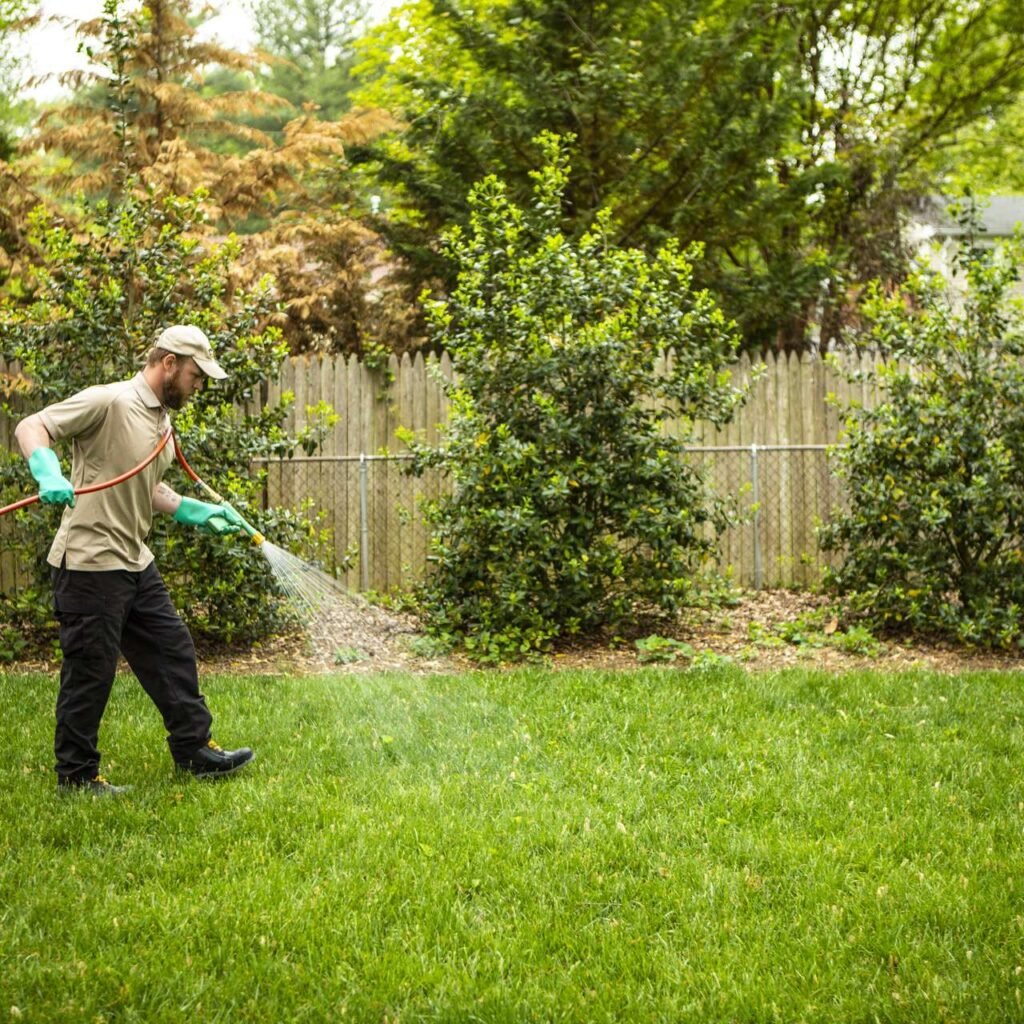
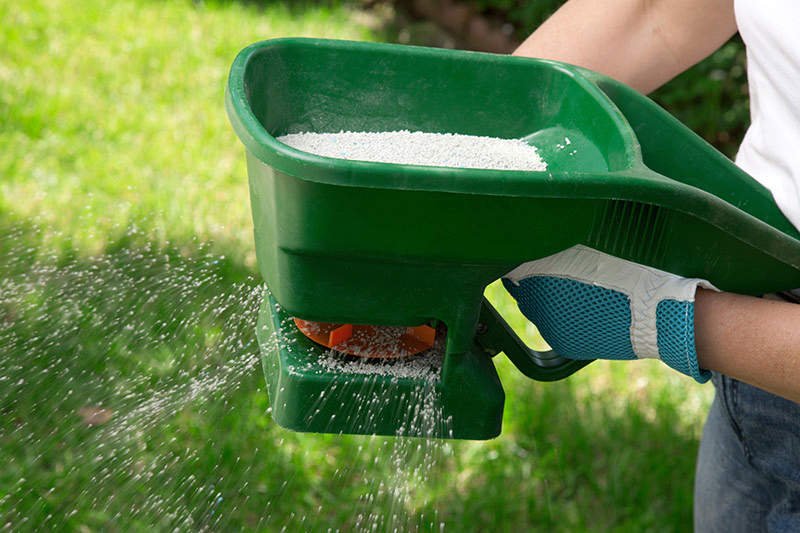
  • Coverage: Ensure even distribution across the lawn using a spreader.
  • Watering: Lightly water after application to activate the herbicide and help it penetrate the soil.

Common Targets

  • Annual weeds: Crabgrass, chickweed, and certain annual bluegrass varieties.
  • Perennial weeds: Pre-emergents do not kill established perennials; combine with other treatments for best results.

Pre-emergent herbicides are preventive, not curative, making timing and application critical.


Step 3: Use Post-Emergent Herbicides for Established Weeds

For weeds that are already growing, post-emergent herbicides can provide targeted control:

Selecting the Right Herbicide

  • Broadleaf herbicides: Effective against dandelions, clover, and plantain without harming cool-season grasses.
  • Grass-selective herbicides: Target invasive grass species while preserving turfgrass.
  • Combination products: Many contain both broadleaf and grass weed control for convenience.

Application Tips

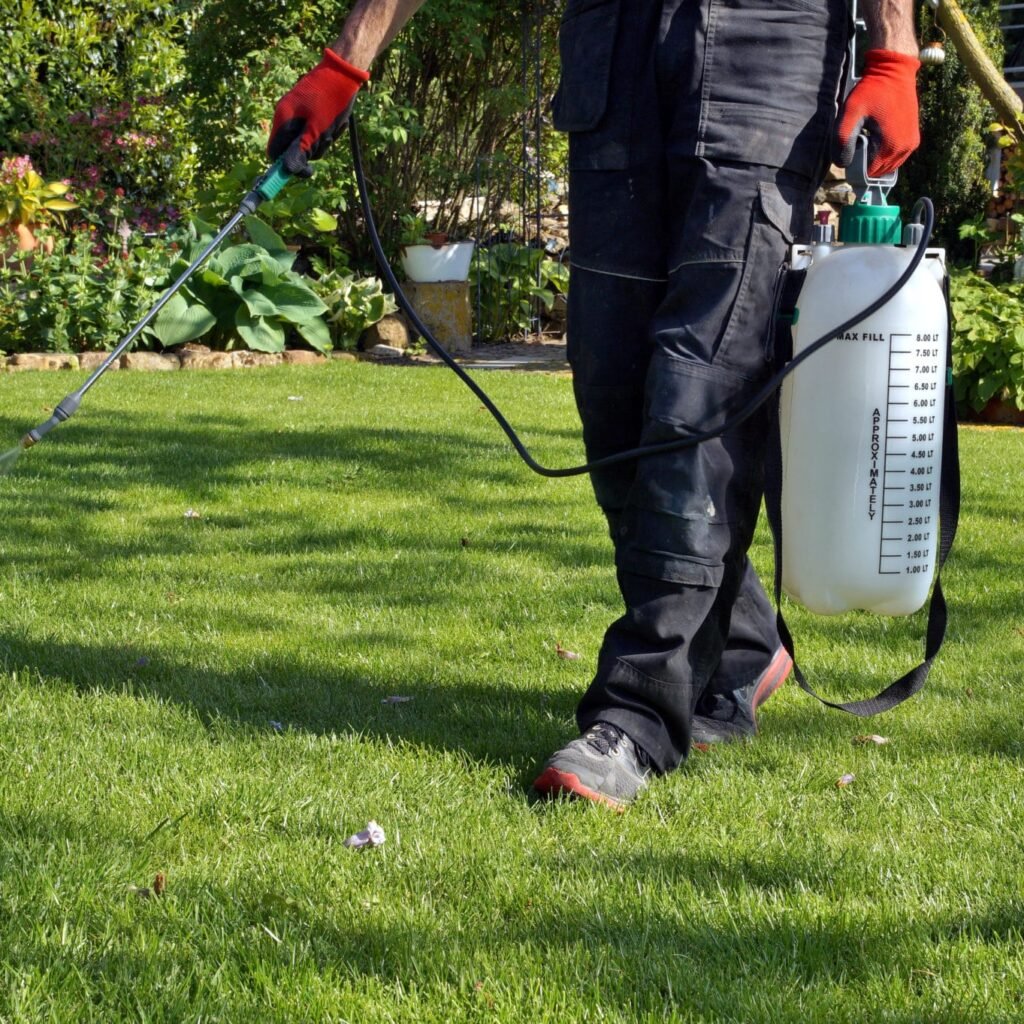
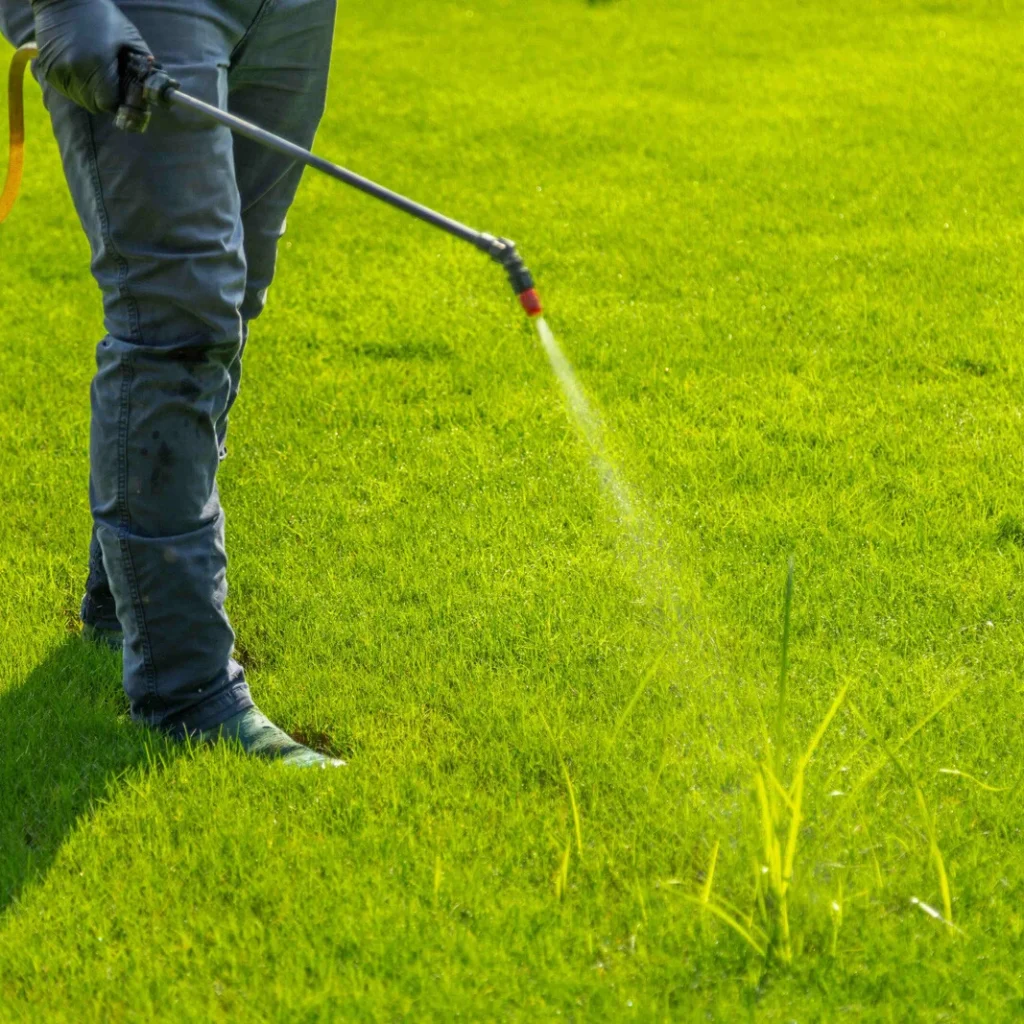
  • Apply on dry, calm days to prevent drift to desirable plants.
  • Follow label instructions carefully, including dosage and reapplication intervals.
  • Avoid application immediately before heavy rain, as it can wash away chemicals.

Safety Precautions

  • Wear gloves and protective clothing.
  • Keep children and pets away until herbicide dries completely.
  • Store products safely according to the manufacturer’s instructions.

Step 4: Implement Cultural Practices to Suppress Weeds

Healthy turf naturally outcompetes weeds. Combine chemical treatments with cultural practices for long-term control:

Mowing

  • Keep grass at the recommended height (2–3 inches for most cool-season grasses).
  • Avoid cutting too short, which encourages weed growth by exposing soil.

Fertilization

  • Apply a fall fertilizer with balanced nitrogen and potassium to strengthen roots.
  • Healthy grass shades soil, reducing opportunities for weed seeds to germinate.

Aeration and Overseeding

  • Aerate compacted areas to improve root development.
  • Overseed thin areas to establish dense turf that crowds out weeds.

Mulching

  • Mulch leaves instead of removing them completely; this adds nutrients and helps suppress weed germination.

Cultural practices are preventive, making lawns more resilient and reducing reliance on herbicides.


Step 5: Natural and Organic Weed Control Methods

For homeowners seeking environmentally friendly solutions, several natural approaches can complement or replace chemical herbicides:

Manual Removal

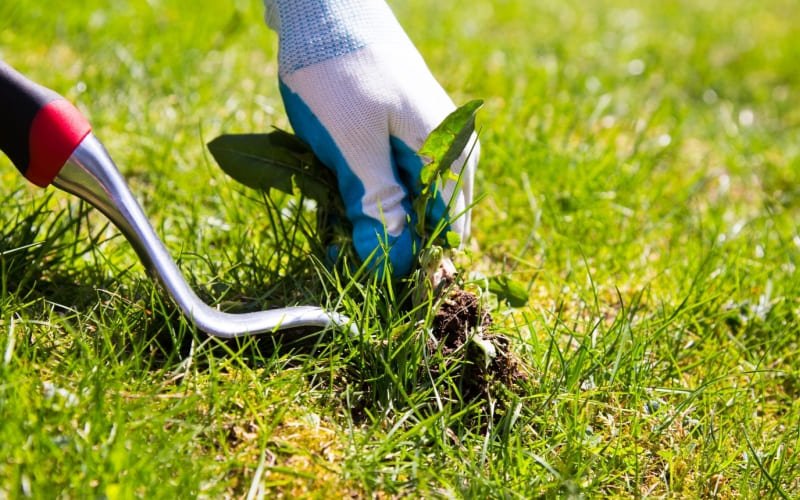
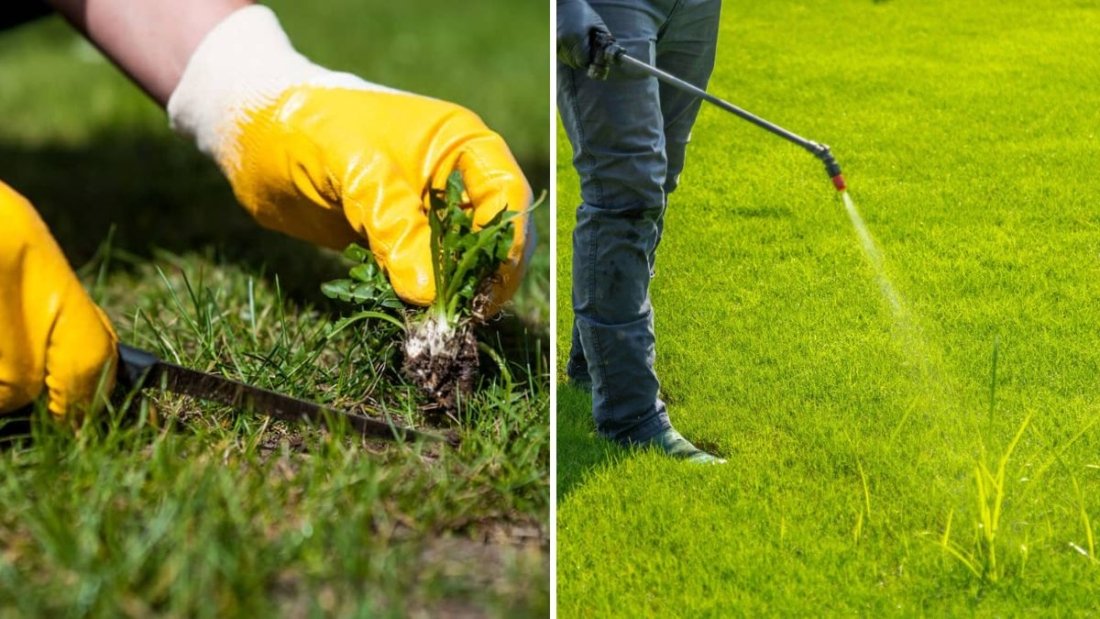
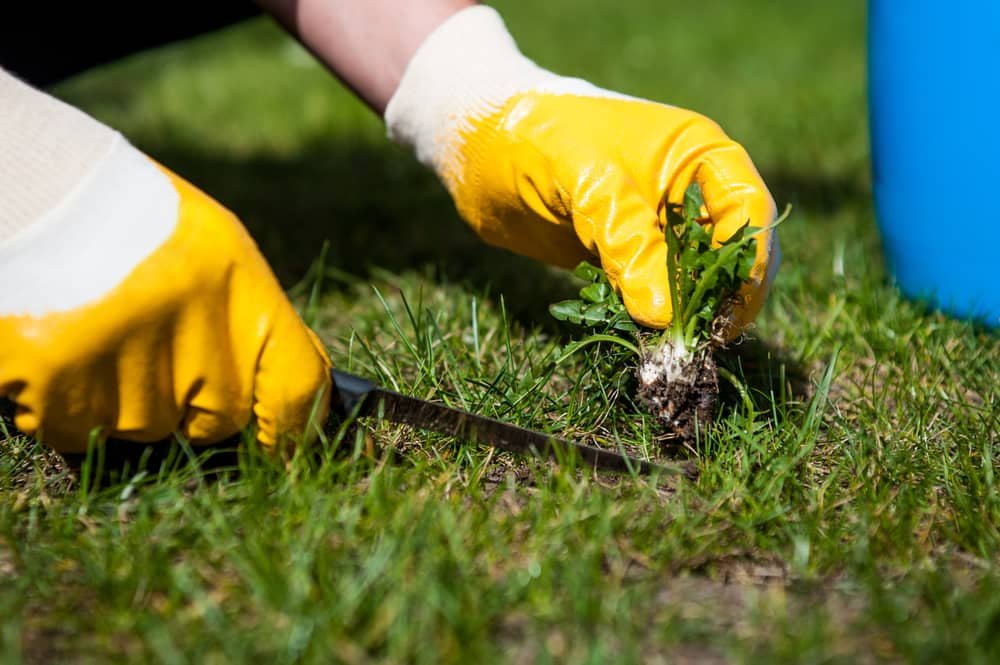
  • Dig out deep taproots of dandelions, thistles, and other perennial weeds.
  • Remove weeds after watering when soil is soft for easier extraction.

Organic Herbicides

  • Products containing vinegar, citric acid, or fatty acids can burn leaves of young weeds.
  • Most effective on seedlings rather than mature weeds.

Corn Gluten Meal

  • Acts as a pre-emergent for certain annual weeds while adding nitrogen to soil.
  • Apply in early fall for best results.

Mulch and Ground Cover

  • Cover bare soil areas with mulch or organic matter to reduce light availability and prevent weed germination.

Natural methods require persistence but are safer for pets, children, and beneficial insects.


Common Mistakes to Avoid

  1. Ignoring soil health: Poor soil leads to weak grass and more weed problems.
  2. Over-reliance on herbicides: Chemical control alone does not prevent future infestations.
  3. Incorrect timing: Applying pre-emergent herbicides too late reduces effectiveness.
  4. Mowing too short: Weakens grass and exposes soil for weed growth.
  5. Skipping overseeding: Thin areas are prime targets for weed invasion.

Seasonal Weed Management Tips

  • Early Fall: Apply pre-emergent herbicides to prevent annual weeds; begin cultural practices.
  • Mid to Late Fall: Apply post-emergent herbicides for established broadleaf weeds; overseed thin areas.
  • Throughout Fall: Maintain proper mowing, watering, and fertilization to strengthen grass and outcompete weeds.

Consistency in these practices ensures long-term weed suppression and reduces labor in spring.


Benefits of Fall Weed Control

By addressing weeds in fall, homeowners enjoy several advantages:

  • Reduced spring infestations: Fewer weeds germinate or grow in early spring.
  • Healthier lawn: Strong roots and dense turf crowd out future weeds.
  • Lower herbicide use: Targeted treatment reduces overall chemical application.
  • Enhanced aesthetics: Maintains a vibrant, uniform lawn throughout cooler months.

Effective fall weed control also sets the stage for robust spring growth, reducing stress and maintenance needs.


Conclusion

Controlling weeds in fall lawns is a critical step for maintaining a healthy, attractive yard. By combining accurate identification, pre- and post-emergent herbicides, cultural practices, and natural methods, homeowners can reduce weed pressure, improve turf density, and prepare lawns for winter and spring growth.

Fall weed management is not just about immediate results—it’s an investment in the long-term health of your lawn. With proper timing, careful application, and consistent care, your lawn can remain strong, lush, and virtually weed-free, ready to thrive when spring arrives.

Why Overseeding Is Key to a Healthier Lawn

Why Overseeding Is Key to a Healthier Lawn

A lush, vibrant, and green lawn is the dream of every homeowner. However, maintaining a lawn that stays healthy year-round requires more than just regular mowing, watering, and fertilization. One of the most effective yet often overlooked lawn care practices is overseeding. Overseeding involves spreading new grass seed directly onto an existing lawn without tearing up the soil or removing old grass. While it may seem like an extra step in lawn maintenance, overseeding is actually the secret weapon to achieving thicker, disease-resistant, and long-lasting turf.

This article explores in detail why overseeding is key to a healthier lawn, when and how to do it, and the benefits it provides for long-term lawn care.


What Is Overseeding?

Overseeding is the process of planting grass seed directly into an existing lawn to improve its density, fill in bare patches, and enhance its overall health. Unlike starting from scratch with new sod or reseeding after removing all old grass, overseeding works with what you already have, rejuvenating tired or thinning grass without requiring complete lawn renovation.

When overseeding, the new seeds germinate and grow alongside your existing grass, creating a denser, more uniform turf. This process also introduces new grass varieties that are more resistant to disease, drought, and pests—ensuring your lawn stays stronger in the long run.


Why Overseeding Is Essential for Lawn Health

1. Thicker and Fuller Turf

Over time, lawns naturally thin out due to foot traffic, heat, pests, or poor soil conditions. Thin grass not only looks patchy but also makes your lawn more vulnerable to weeds and erosion. Overseeding fills in those gaps, producing a lush, carpet-like lawn that looks more attractive and feels healthier underfoot.

2. Improved Resistance to Weeds

Bare patches of soil are an open invitation for weeds like crabgrass, dandelions, and clover. By overseeding, you fill in those gaps with healthy grass, reducing the space available for weeds to germinate. A thick lawn naturally crowds out unwanted plants and makes weed control much easier without relying heavily on chemicals.

3. Enhanced Disease and Pest Resistance

Old grass varieties are often more susceptible to lawn diseases and pests. Overseeding introduces modern, disease-resistant grass seed blends into your lawn. These new varieties are specifically bred to withstand common problems like brown patch, dollar spot, or insect infestations, giving your lawn a built-in defense system.

4. Better Drought and Heat Tolerance

Climate changes, such as hotter summers and unpredictable rainfall, can take a toll on grass. Overseeding with drought-tolerant varieties ensures your lawn can withstand stress from extreme weather conditions. This reduces the need for constant watering and keeps your grass green even during dry spells.

5. Rejuvenates Old Lawns

If your lawn looks dull, patchy, or lifeless, overseeding can give it a much-needed facelift. Rather than starting over, overseeding helps revive the existing grass by thickening it and adding fresh growth. It’s like giving your lawn a new lease on life without the cost of full replacement.

6. Cost-Effective Lawn Care

Compared to laying sod or fully reseeding a lawn, overseeding is much more affordable and requires less labor. It allows homeowners to maintain a lush lawn with minimal investment while extending the lifespan of their existing turf.


The Best Time to Overseed

Timing is critical for overseeding success. The best season depends on the type of grass you have:

  • Cool-Season Grasses (Fescue, Ryegrass, Kentucky Bluegrass):
    Early fall (September to October) is the best time to overseed. Soil temperatures are still warm enough for seed germination, while cooler air temperatures reduce stress on young seedlings. Overseeding in fall also allows the new grass to establish roots before winter.
  • Warm-Season Grasses (Bermuda, Zoysia, St. Augustine):
    Late spring to early summer (May to June) is ideal. Warm soil temperatures and longer days encourage rapid germination and growth.

Avoid overseeding during extreme summer heat or the peak of winter, as these conditions reduce the chances of seed survival.


How to Overseed for Best Results

To ensure overseeding works effectively, proper preparation and aftercare are crucial. Here’s a step-by-step guide:

Step 1: Mow the Lawn Short

Cut your grass shorter than usual (around 1.5–2 inches) to allow new seeds to make contact with the soil. Collect and bag clippings to avoid blocking seed-to-soil contact.

Step 2: Dethatch or Aerate

Thatch buildup (a layer of dead grass and roots) can prevent seeds from reaching the soil. Dethatch the lawn or use a core aerator to create small holes in the soil. Aeration improves seed-to-soil contact and increases oxygen, water, and nutrient flow.

Step 3: Choose the Right Grass Seed

Select a grass seed mix that matches your climate, soil type, and lawn conditions. Look for improved varieties that offer resistance to disease, drought, and heavy foot traffic.

Step 4: Spread the Seed Evenly

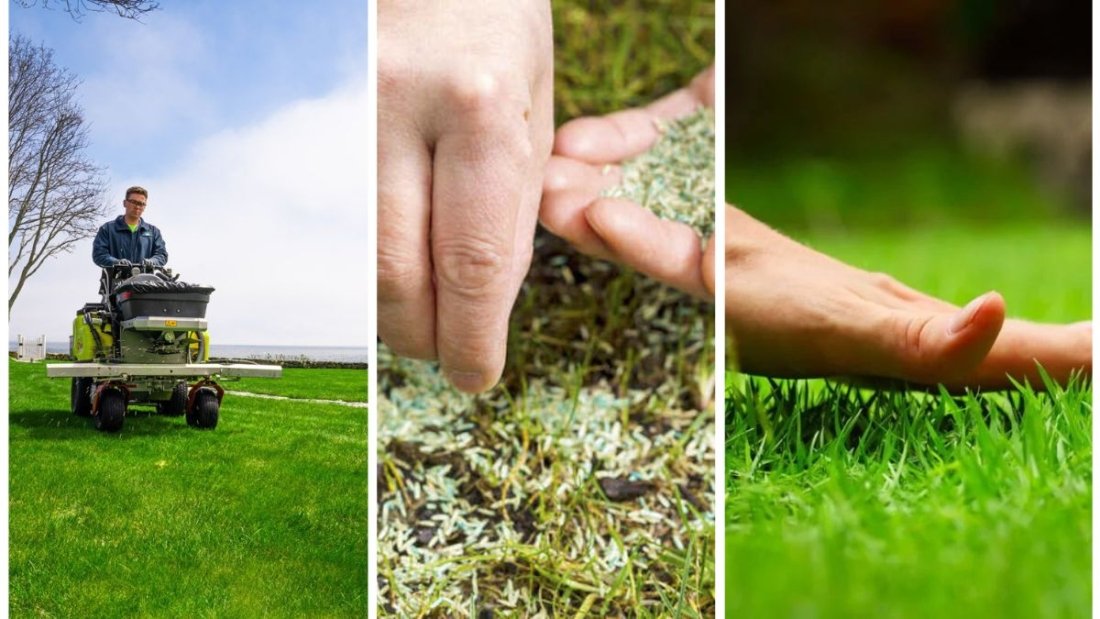
Use a broadcast spreader or hand spreader to evenly distribute the seeds across your lawn. Follow the recommended seeding rate on the seed packaging.

Step 5: Fertilize the Lawn

Apply a starter fertilizer rich in phosphorus to encourage root growth. Avoid high-nitrogen fertilizers at this stage, as they encourage leaf growth over root development.

Step 6: Water Consistently

Keep the soil consistently moist until the seeds germinate (usually 7–21 days, depending on the grass type). Water lightly once or twice daily to avoid washing away seeds. Once the new grass is established, reduce watering frequency but increase depth.

Step 7: Mow Carefully

Wait until the new grass reaches about 3 inches before mowing. Keep mower blades sharp and avoid cutting more than one-third of the grass height at a time.


Common Mistakes to Avoid When Overseeding

  1. Skipping Soil Preparation: Overseeding directly onto compacted or thatchy soil reduces success. Always dethatch or aerate first.
  2. Using the Wrong Grass Seed: Not all seeds are suitable for every region. Research the best seed blend for your area.
  3. Over- or Underwatering: Inconsistent watering can cause poor germination or seed rot. Stick to a steady schedule.
  4. Mowing Too Soon: Cutting grass before it is well-established can uproot new seedlings.
  5. Ignoring Fertilization: Without the right nutrients, new grass struggles to develop strong roots.

Long-Term Benefits of Overseeding

  • Improved Lawn Appearance: Overseeding ensures your lawn stays green, lush, and uniform.
  • Stronger Root System: Helps grass resist drought, pests, and foot traffic.
  • Reduced Chemical Dependence: A thick lawn naturally crowds out weeds, reducing the need for herbicides.
  • Higher Property Value: A healthy lawn boosts curb appeal and can even increase real estate value.

Conclusion

Overseeding may seem like an optional lawn care task, but in reality, it is the key to maintaining a healthy, vibrant, and resilient lawn. By introducing new, improved grass varieties into your existing turf, overseeding rejuvenates your lawn, fills in bare patches, and strengthens its resistance to weeds, diseases, and environmental stress.

Whether you are dealing with thinning grass, battling weeds, or simply wanting to improve the look of your yard, overseeding offers a cost-effective and highly beneficial solution. When done correctly, it not only transforms the appearance of your lawn but also ensures its long-term health—making it a practice every homeowner should prioritize.

How To Keep Your Lawn Green Through October

How To Keep Your Lawn Green Through October

As the air turns crisp, leaves begin to fall, and the days grow shorter, many homeowners struggle to maintain the lush, green appearance of their lawns. By October, grass is transitioning into dormancy or slowing down growth, depending on your region and grass type. But with the right care, your lawn can remain vibrant, resilient, and picture-perfect throughout the fall season.

In this guide, we’ll explore practical, science-backed strategies on how to keep your lawn green through October. From proper mowing techniques to fall fertilization and irrigation practices, these tips will help you extend the beauty of your turf well into the cooler months.


1. Understand Your Grass Type

The first step in keeping your lawn green is understanding whether you have cool-season grass or warm-season grass, since each responds differently in fall.

  • Cool-season grasses (Kentucky bluegrass, perennial ryegrass, tall fescue): Thrive in cooler temperatures and typically peak in growth during spring and fall. With proper care, they stay green through October and sometimes even beyond in mild climates.
  • Warm-season grasses (Bermuda, zoysia, centipede, St. Augustine): Begin to slow down and turn brown as soil temperatures drop. To keep them green longer, overseeding with cool-season grass may be necessary.

Knowing your grass type helps you tailor care practices for maximum color and vigor.


2. Adjust Mowing Practices for Fall

Mowing remains critical in October, though growth slows compared to summer. Follow these tips:

  • Lower the mowing height slightly – Gradually reduce your mowing height by about ½ inch in early fall. This helps sunlight reach the grass crown, strengthens roots, and prevents snow mold in colder regions. Avoid scalping, which weakens grass.
  • Follow the one-third rule – Never cut more than one-third of the blade length at once, as this stresses turf.
  • Keep blades sharp – Dull mower blades tear grass, causing brown tips and increasing disease susceptibility.

Regular mowing encourages denser growth, which translates into greener color and better health through October.


3. Fertilize at the Right Time

Fall fertilization is often considered the most important feeding of the year. Fertilizer replenishes nutrients used during summer stress and promotes strong root development.

  • Cool-season grasses – Apply a balanced or nitrogen-rich fertilizer in early to mid-October. This supports active growth, enhances color, and prepares turf for winter.
  • Warm-season grasses – Fertilize in early fall, before growth slows significantly. Opt for a fertilizer with less nitrogen and more potassium to improve cold tolerance.

Pro tip: Use a slow-release nitrogen fertilizer for prolonged feeding without the risk of burning or excessive top growth.


4. Water Deeply and Strategically

Cooler weather often reduces evaporation, but don’t neglect watering in October. Grass still needs about 1 to 1.5 inches of water per week, especially cool-season varieties that remain actively growing.

  • Water in the morning to reduce disease risk.
  • Deep, infrequent watering encourages strong root growth, essential for maintaining green color.
  • Use rain as an ally – In wetter climates, adjust irrigation schedules accordingly.

By ensuring consistent soil moisture, your lawn will remain greener longer and avoid the dull, patchy look that comes with drought stress.


5. Overseed Bare Spots

By October, summer damage may still be visible in the form of thin or bare patches. Fall overseeding fills these gaps and maintains uniform green color.

  • Choose a high-quality cool-season grass seed for overseeding. Ryegrass, for example, germinates quickly and adds instant green.
  • Prepare the area by raking to expose soil.
  • Spread seed evenly, lightly cover with compost or soil, and water consistently until germination.

For warm-season lawns, overseeding with ryegrass ensures green coverage throughout October and into winter when the primary grass begins to fade.


6. Aerate for Better Growth

Compacted soil prevents water, nutrients, and oxygen from reaching the root zone. October is an ideal time to core aerate cool-season lawns.

Benefits of aeration include:

  • Deeper root systems.
  • Better fertilizer and water penetration.
  • Reduced thatch buildup.
  • A more vibrant green appearance.

For homeowners in warmer regions, aeration may be done earlier in late summer, but cool-season lawns respond exceptionally well when aerated in October.


7. Control Weeds Before Winter

Weeds not only compete for nutrients but also make lawns appear patchy and uneven. Fall is one of the best times to apply herbicides because weeds are actively storing energy in their roots.

  • Use a selective broadleaf herbicide for weeds like dandelions, clover, or chickweed.
  • Apply herbicide on a day when temperatures are mild and rain isn’t expected for 24 hours.
  • For natural alternatives, hand-pulling weeds after rain is highly effective.

Controlling weeds in October ensures your lawn remains uniform and green without intruding patches.


8. Rake Leaves and Remove Debris

While colorful autumn leaves create a picturesque landscape, leaving them on your lawn for too long is a recipe for disaster.

  • Thick leaf layers block sunlight, restrict airflow, and trap moisture, leading to fungal growth.
  • Leaves left on the lawn smother grass, causing thinning and browning.

Regular raking or using a mulching mower keeps grass exposed and allows it to photosynthesize. Mulched leaves can also add organic matter to the soil, improving long-term health.


9. Manage Thatch Buildup

A thatch layer thicker than ½ inch prevents water and nutrients from reaching the roots. If your lawn feels spongy, dethatching may be necessary.

  • For small lawns, use a manual dethatching rake.
  • For larger lawns or heavier buildup, consider power raking or verticutting.

Performing dethatching in early October for cool-season grasses ensures recovery before winter, keeping lawns greener and healthier.


10. Feed the Soil with Compost

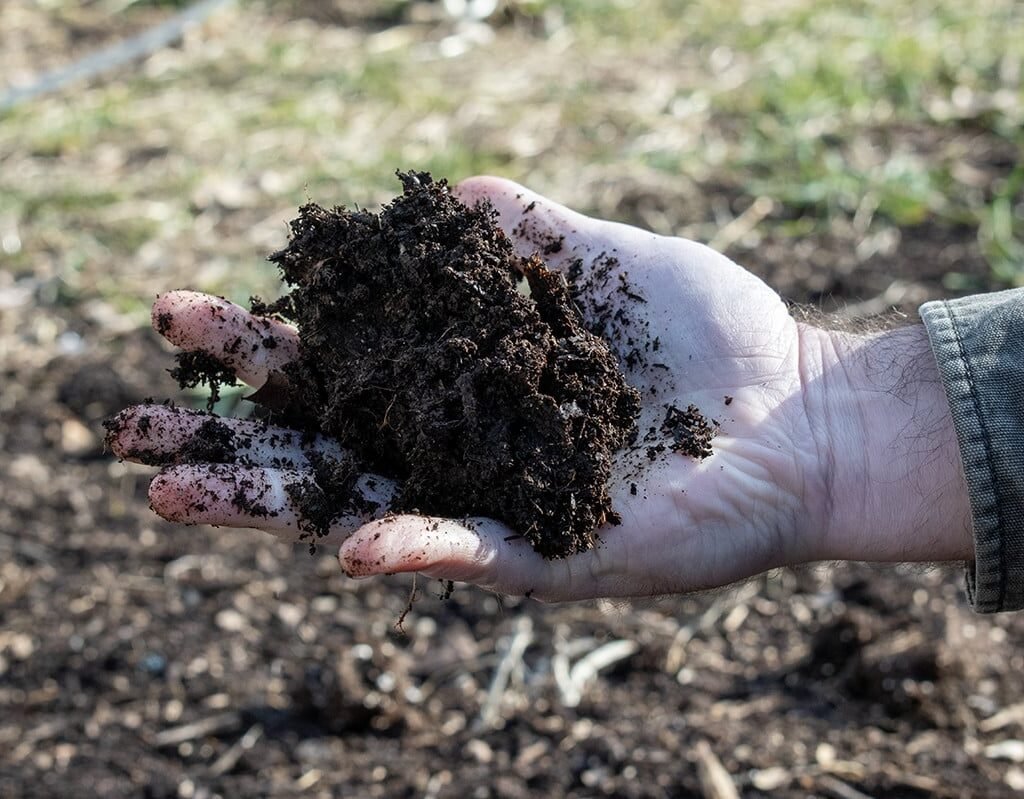
Adding a thin layer (¼ inch) of compost in October improves soil structure, boosts microbial activity, and enhances water retention. This topdressing provides a steady source of nutrients that helps keep grass greener naturally without over-reliance on synthetic fertilizers.


11. Protect Against Frost Damage

In colder regions, frost can arrive by late October. While frost alone doesn’t kill grass, walking on frosted lawns can crush blades, leaving them brown and brittle.

  • Avoid foot traffic on frosted grass.
  • Ensure grass isn’t excessively long going into frost periods, as tall blades bend and break more easily.

With careful handling, grass can maintain its green vibrancy despite occasional frosts.


12. The Role of Regional Climate

Keeping grass green through October also depends on your geographic region:

  • Northern states – Focus on fertilizing, overseeding, and aerating cool-season grasses for vibrant fall growth.
  • Southern states – Transition warm-season lawns by overseeding with ryegrass and applying potassium-rich fertilizer for winter prep.
  • Transitional zones – Combine both strategies depending on dominant grass type and local climate patterns.

Common Mistakes to Avoid

Many lawns fade too soon in October due to simple oversights. Here’s what to avoid:

  • Neglecting fertilization – skipping fall feeding weakens root development.
  • Overwatering – leads to shallow roots and fungal disease.
  • Cutting grass too short – stresses turf and exposes it to cold damage.
  • Leaving leaves piled up – smothers grass and kills patches.

Avoiding these mistakes ensures your lawn holds its lush green color as long as possible.


Final Thoughts

A green, healthy lawn in October doesn’t happen by accident—it requires a mix of timing, knowledge, and consistency. By adjusting mowing practices, fertilizing wisely, watering correctly, and addressing weeds, thatch, and bare spots, you can keep your lawn vibrant throughout fall.

Whether you’re in a cool-season region where grass thrives in October, or managing a warm-season lawn that needs overseeding to maintain color, these steps ensure your yard remains a source of pride before winter dormancy sets in.

With a little extra effort now, you’ll not only enjoy a lush lawn through October but also set the stage for a quicker, greener recovery in spring.

The Best Fertilizers for Fall Lawn Health

The Best Fertilizers for Fall Lawn Health

Maintaining a lush, green lawn requires more than just watering and mowing. Fertilization plays a critical role in keeping grass healthy, dense, and vibrant throughout the year. While many homeowners focus on spring fertilization, fall is actually the most important time to feed your lawn. Fertilizing in the fall promotes deep root development, repairs summer stress, and prepares grass for winter dormancy, ensuring a strong, resilient lawn come spring.

In this guide, we’ll explore the best fertilizers for fall lawn health, how to use them effectively, and additional tips for optimizing your lawn’s growth during the cooler months.


Why Fall Fertilization is Crucial

Fall is a key growth period for cool-season grasses like Kentucky bluegrass, fescue, and perennial ryegrass. While the tops of these grasses may grow more slowly as temperatures drop, roots continue to develop actively, absorbing nutrients to store energy for winter.

Benefits of Fertilizing in Fall

  1. Enhanced root growth: Nutrients encourage strong, deep roots that survive winter better.
  2. Improved winter hardiness: Healthy roots and leaf tissue help grass endure cold, snow, and frost.
  3. Reduced spring stress: Fertilized lawns emerge faster and greener in spring.
  4. Thicker turf: Fall fertilization encourages dense growth that crowds out weeds.
  5. Recovery from summer stress: Heat, drought, and foot traffic can damage lawns; fall feeding aids recovery.

By targeting these benefits, you can create a lawn that’s both resilient and beautiful, reducing the need for corrective measures later.


Understanding Fertilizer Types

Choosing the right fertilizer is essential. Fertilizers differ in nutrient composition, release rate, and form, all of which impact fall lawn health.

Key Nutrients for Fall

  • Nitrogen (N): Promotes leaf growth and dark green color. In fall, slow-release nitrogen encourages steady growth without excessive top growth that could be damaged by frost.
  • Phosphorus (P): Supports root development and helps establish a strong foundation for winter.
  • Potassium (K): Strengthens disease resistance, root vigor, and stress tolerance.

Fertilizer Forms

  1. Granular Fertilizers:
    • Easy to apply with a spreader.
    • Can be slow-release or quick-release.
    • Slow-release options are ideal for fall to feed the lawn gradually.
  2. Liquid Fertilizers:
    • Provide fast nutrient uptake.
    • Ideal for lawns showing signs of stress or nutrient deficiency.
    • Can be combined with herbicides or weed control sprays.
  3. Organic Fertilizers:
    • Derived from natural sources such as compost, manure, or bone meal.
    • Improve soil structure and microbial activity.
    • Often slower acting but promote long-term soil health.

Best Fertilizers for Fall Lawn Health

Here are some of the most effective fertilizers for autumn lawns:

1. Slow-Release Nitrogen Fertilizers

  • Examples: Scotts Turf Builder WinterGuard, Milorganite.
  • Benefits: Feed grass gradually over several weeks, promoting sustained root growth and reducing the risk of excessive leafy growth that frost could damage.
  • How to use: Apply early to mid-October when soil temperatures are above 50°F. Water lightly after application.

2. High-Phosphorus Fertilizers

  • Examples: Products labeled 10-20-10 or 5-10-5.
  • Benefits: Boost root development, ensuring grass stores energy for winter. Particularly useful for newly seeded lawns or thin areas.
  • How to use: Apply evenly across bare or thin patches; avoid overuse, as excess phosphorus can harm waterways.

3. Potassium-Rich Fertilizers

  • Examples: Fertilizers with ratios like 10-10-20 or 12-10-18.
  • Benefits: Increase stress tolerance, strengthen cell walls, and improve disease resistance.
  • How to use: Spread uniformly; ideal for lawns that experienced summer drought or heavy use.

4. Organic Fertilizers

  • Examples: Compost, blood meal, bone meal, fish emulsion, alfalfa meal.
  • Benefits: Improve soil structure, add trace nutrients, and stimulate microbial activity for healthier turf over time.
  • How to use: Apply according to product instructions; usually need watering in afterward. Best combined with aeration or overseeding for maximum effect.

5. Specialty Fall Lawn Mixes

  • Many manufacturers produce fertilizers specifically for fall, often labeled “Winterizer”.
  • These blends typically feature high potassium and moderate nitrogen, supporting both root growth and winter hardiness.
  • Examples: Scotts Turf Builder WinterGuard, Lesco Fall Lawn Fertilizer.
  • How to use: Apply in early October for maximum root development before soil temperatures drop too low.

How to Apply Fertilizer Effectively

Correct application ensures maximum benefit and reduces the risk of nutrient runoff or damage.

Step-by-Step Application

  1. Mow first: Cut grass to a moderate height (2–3 inches) to improve fertilizer contact with soil.
  2. Water lightly: Moist soil helps nutrients penetrate more effectively.
  3. Spread evenly: Use a broadcast or drop spreader to distribute fertilizer uniformly. Overlapping slightly ensures complete coverage.
  4. Water after application: Lightly irrigate to help nutrients soak into the soil, but avoid runoff.
  5. Avoid over-fertilization: Too much nitrogen in fall can cause lush top growth susceptible to frost damage.

Extra Tips

  • Apply fertilizers on a calm, dry day to reduce drift.
  • For liquid fertilizers, follow dilution instructions carefully to prevent leaf burn.
  • Consider combining fertilization with overseeding or aeration for optimal lawn rejuvenation.

Additional Fall Lawn Care Strategies

To maximize the benefits of fall fertilization, combine it with other lawn care practices:

  1. Aerate before fertilizing: Improves nutrient absorption and root growth.
  2. Overseed thin areas: Fertilizer supports germination and strong seedlings.
  3. Rake leaves regularly: Prevents smothering and ensures fertilizer reaches soil.
  4. Adjust mowing height: Maintain 2–3 inches to encourage root development and reduce winter mold risks.
  5. Control weeds: Apply broadleaf weed control before or after fertilization to maintain a healthy, dense lawn.

Common Mistakes to Avoid

  • Using high-nitrogen fertilizers: This encourages leafy growth instead of root growth, making lawns more vulnerable to frost.
  • Applying too late: Fertilizing after soil temperatures drop below 50°F may not benefit root development.
  • Neglecting water: Fertilizer without water cannot penetrate soil and may damage grass.
  • Ignoring soil tests: Applying the wrong nutrient balance can harm lawn health and the environment.
  • Skipping aeration or overseeding: Fertilizer alone cannot repair bare or compacted areas.

Conclusion

Fall fertilization is a cornerstone of healthy lawn management. By choosing the right fertilizers, applying them correctly, and pairing them with other seasonal practices like aeration, overseeding, and leaf management, you can create a lawn that is thick, green, and resilient.

Slow-release nitrogen, high-phosphorus mixes, potassium-rich formulations, organic fertilizers, and specialty fall blends all play a role in supporting root development, winter hardiness, and early spring growth.

With careful attention to timing, application, and complementary lawn care techniques, fall fertilization ensures your lawn not only survives the winter but thrives the following spring, creating a lush, inviting outdoor space for years to come.

The Secret To Perfect Moisture Levels In Your Garden

The Secret To Perfect Moisture Levels In Your Garden

Water is life—especially in the garden. Whether you’re growing vegetables, herbs, flowers, or trees, moisture is the critical factor that determines the health, productivity, and resilience of your plants. Yet many gardeners either overwater or underwater, leading to poor yields, plant diseases, root rot, or drought stress. The secret to a thriving garden isn’t just about watering—it’s about achieving and maintaining perfect moisture levels in the soil.

So, what’s the secret? It’s a combination of understanding your soil type, using smart watering techniques, incorporating organic matter, and employing tools and methods to monitor and regulate moisture effectively. In this article, we’ll break down how to assess, manage, and perfect moisture levels in your garden, season after season.


Why Moisture Matters So Much

Water plays many vital roles in plant health, including:

  • Transporting nutrients from the soil to the plant
  • Maintaining cell structure and turgor pressure
  • Facilitating photosynthesis
  • Regulating temperature through transpiration
  • Supporting beneficial microbial activity in the soil

However, too much or too little water disrupts all these processes. That’s why consistent and optimal moisture is key to healthy root systems, productive growth, and disease resistance.


Understanding Soil and Its Relationship with Moisture

1. Know Your Soil Type

Different soils hold and drain water at different rates. Knowing your soil type is step one.

Soil TypeWater RetentionDrainageBest Practices
ClayHighPoorImprove drainage with organic matter
SiltModerateModerateMaintain with compost and cover crops
SandLowFastUse mulch, water frequently
LoamIdeal balanceGoodMaintain with organic matter

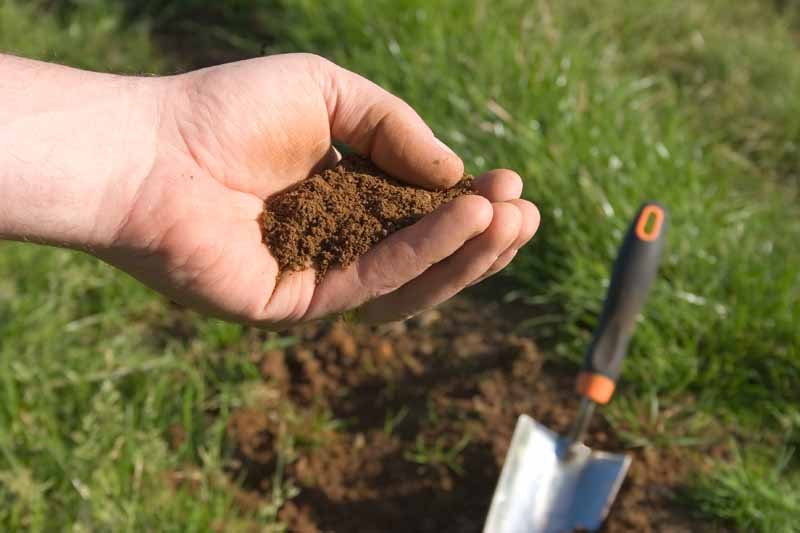
Test it yourself: Grab a handful of moist soil and roll it into a ball.

  • Sticky and smooth = clay
  • Gritty and falls apart = sand
  • Smooth but not sticky = silt
  • Balanced and crumbly = loam

2. Observe the Soil’s Water Behavior

Pay attention after watering or rainfall:

  • Does water sit on top for a long time? (clay/compacted soil)
  • Does it drain quickly and dry out? (sandy soil)
  • Does the surface crack after drying? (clay with poor structure)

Such observations help you determine how to amend and manage your soil to improve moisture control.


How to Maintain Perfect Moisture Levels

1. Water Deeply, Not Frequently

Many gardeners make the mistake of watering lightly every day, which only wets the top layer of soil. Shallow watering encourages weak roots and rapid drying.

Instead:

  • Water deeply and less often to encourage deep root growth.
  • Aim for 6–8 inches of soil moisture to nourish roots properly.

Tip: Use a soil probe, screwdriver, or stick to check moisture depth after watering.


2. Water Early or Late in the Day

Watering during the cooler hours (morning or evening) reduces evaporation loss and ensures more water reaches the roots.

Avoid:

  • Midday watering: most water evaporates.
  • Night watering: can encourage fungal diseases if leaves remain wet.

3. Add Organic Matter to Your Soil

One of the best-kept secrets to perfect moisture levels is increasing your soil’s organic matter content. Organic matter acts like a sponge—it can hold 10x its weight in water.

What to use:

  • Compost
  • Well-rotted manure
  • Leaf mold
  • Coconut coir
  • Worm castings

These materials improve soil structure, water retention, and nutrient availability. Apply at least 2–3 inches annually and mix into the top 6–8 inches of soil.


4. Use Mulch Effectively

Mulching is a game-changing technique to regulate soil moisture. It:

  • Reduces evaporation by up to 70%
  • Keeps soil temperatures stable
  • Suppresses weeds (which compete for water)
  • Prevents soil crusting and erosion

Best mulch types:

  • Straw or hay (for vegetables)
  • Wood chips or bark (for trees and shrubs)
  • Grass clippings (dried)
  • Shredded leaves
  • Compost (as a living mulch)

Apply mulch 2–4 inches deep, but keep it a few inches away from plant stems to prevent rot.


5. Install Drip Irrigation or Soaker Hoses

If you’re serious about maintaining perfect moisture levels, drip irrigation systems or soaker hoses are excellent investments.

Advantages:

  • Delivers water directly to the root zone
  • Minimizes evaporation and water waste
  • Reduces disease by keeping foliage dry
  • Can be automated with a timer

Perfect for raised beds, vegetable gardens, and flower borders.


6. Collect and Use Rainwater

Rainwater is naturally soft, chemical-free, and ideal for your garden.

Ways to collect:

  • Install rain barrels on downspouts
  • Use storage tanks for larger gardens
  • Set up rain gardens to capture runoff

Rainwater harvesting is not just eco-friendly—it ensures moisture availability during dry spells.


7. Use Moisture Meters or DIY Tests

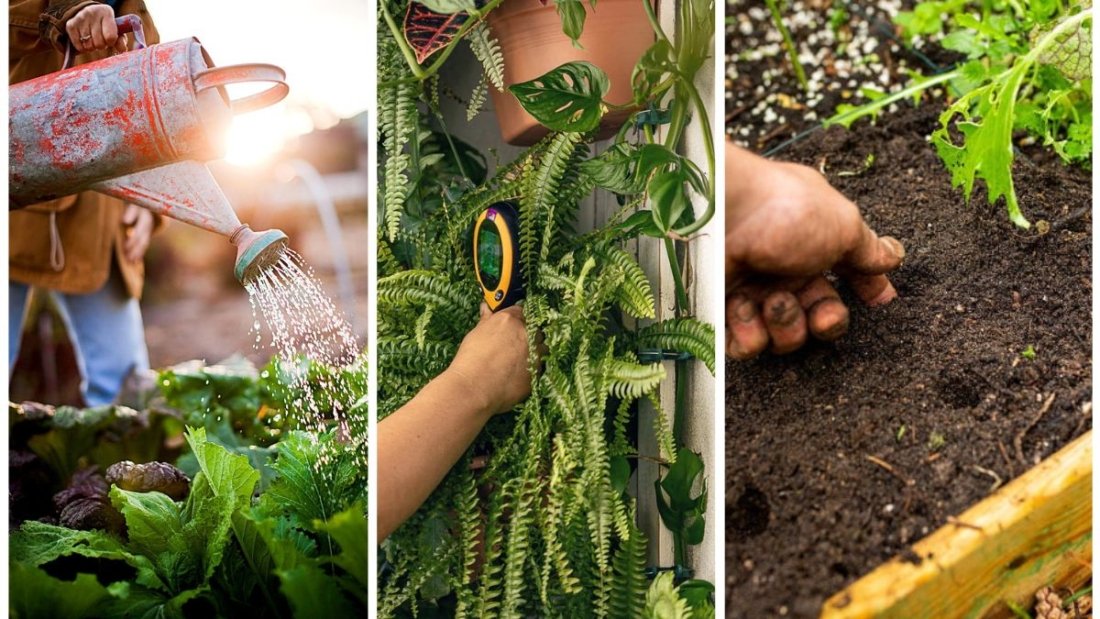
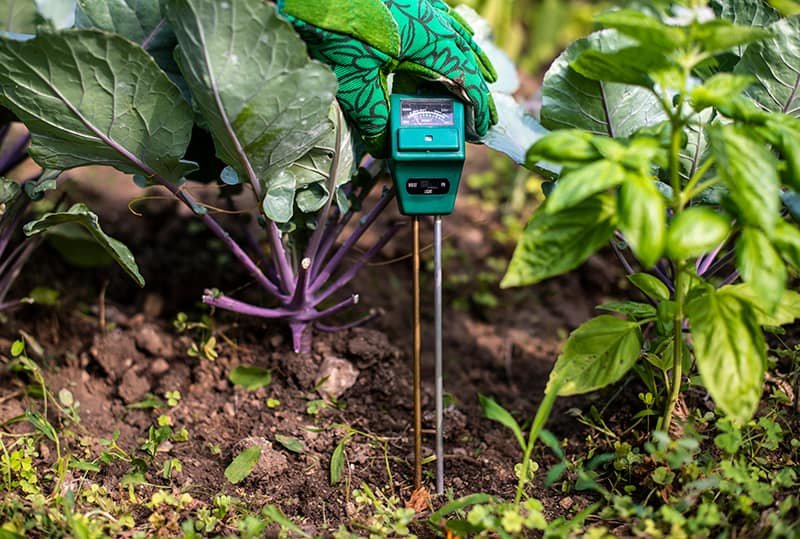
To avoid guessing, use a soil moisture meter or try simple DIY methods like:

  • Finger test: Stick your finger 2–3 inches into the soil. If it feels dry, it’s time to water.
  • Screwdriver test: Push a screwdriver into the soil. If it goes in easily, moisture is adequate; if it’s hard to push, the soil is dry.
  • Weight test (for pots): Lift the pot—dry soil feels lighter than wet soil.

Perfect moisture lies in consistency—not letting the soil swing between soggy and bone-dry.


Signs Your Garden Has Moisture Problems

Signs of Overwatering:

  • Yellowing leaves
  • Wilting despite wet soil
  • Root rot or fungus
  • Mold on soil surface
  • Algae growth in containers

Signs of Underwatering:

  • Wilting during heat
  • Dry, cracked soil
  • Brown, crispy leaf edges
  • Slow or stunted growth
  • Dropping flower buds or fruit

Understanding these signals helps you adjust quickly before damage sets in.


Special Moisture Tips for Different Seasons

Spring:

  • Test soil before planting. Wet soil can compact easily.
  • Gradually increase watering as plants grow.

Summer:

  • Mulch heavily to retain water.
  • Water early in the morning.

Autumn:

  • Reduce watering as temperatures drop.
  • Prepare soil with compost to improve moisture retention over winter.

Winter:

  • Water occasionally during dry spells if the ground isn’t frozen.
  • Protect container plants from wind (which dries soil quickly).

Maintaining Moisture in Containers and Raised Beds

Containers dry out faster than ground soil. To manage moisture:

  • Use water-retaining potting mixes with compost and coco coir.
  • Mulch container surfaces.
  • Group pots together to reduce wind exposure.
  • Install self-watering systems or use trays underneath pots.

Raised beds also drain quickly—add organic matter and mulch to counteract this.


Conclusion

Perfect moisture levels are not a mystery—they’re the result of smart observation, soil care, and consistent watering habits. By understanding your soil type, watering deeply but appropriately, improving soil with organic matter, and using mulch and tools to monitor moisture, you can transform your garden into a lush, productive oasis.

Gardening isn’t about luck—it’s about learning to work with nature, not against it. When you master moisture management, you unlock the full potential of your plants and your soil. That’s the real secret behind every thriving garden.

5 Soil Mistakes That Could Be Killing Your Plants

5 Soil Mistakes That Could Be Killing Your Plants

You water them, feed them, and make sure they get plenty of sunlight—but your plants are still struggling. If you’ve tried everything and your garden is still underperforming, the real problem might lie beneath the surface—in the soil.

Soil is more than just dirt. It’s a living ecosystem that acts as the foundation for all plant life. Unfortunately, many gardeners and even experienced growers make critical soil mistakes without realizing it. These hidden errors can choke roots, block nutrients, drown plants, and ultimately lead to disappointing harvests or dying plants.

In this article, we’ll uncover the 5 most common soil mistakes that could be silently sabotaging your garden—and show you how to fix them. Whether you’re growing vegetables, flowers, herbs, or trees, avoiding these pitfalls will set your garden up for long-term success.


Why Soil Matters More Than You Think

Before diving into the mistakes, let’s understand why healthy soil is essential:

  • It supplies nutrients and minerals to plants.
  • It stores water and air for root respiration.
  • It houses beneficial microbes, earthworms, and fungi that support growth.
  • It anchors plants and supports root development.
  • It affects pH, which influences nutrient availability.

In short, good soil means stronger, healthier, more productive plants. And bad soil? It could be quietly killing your garden from the roots up.


Mistake #1: Ignoring Soil Structure and Texture

What’s Going Wrong:

Most gardeners focus on adding fertilizers or watering routines without ever assessing soil texture and structure. But if your soil is too sandy, too clay-heavy, or compacted, plant roots struggle to grow, water doesn’t infiltrate properly, and nutrients may either leach away or become unavailable.

Signs:

  • Water pools on the surface or drains too quickly.
  • Roots are shallow or deformed.
  • Soil feels like cement when dry or sticks together when wet.

Why It’s Killing Plants:

Poor structure leads to oxygen-starved roots, weak growth, and nutrient lock-out.

How to Fix It:

  • For clay soil: Add compost, aged manure, and sand to improve drainage and loosen particles.
  • For sandy soil: Add organic matter like compost or peat moss to help retain moisture.
  • Avoid walking on garden beds to reduce compaction.
  • Use cover crops to improve structure naturally.

Mistake #2: Watering Without Testing Soil Moisture

What’s Going Wrong:

Overwatering and underwatering are both deadly mistakes—and both usually stem from guessing instead of testing. Too much water creates anaerobic conditions, while too little leads to drought stress.

Signs:

  • Yellowing leaves or drooping (both too much and too little water).
  • Mushy or blackened roots (overwatered).
  • Brittle, brown leaf edges (underwatered).

Why It’s Killing Plants:

Water imbalance causes root rot, fungus, nutrient leaching, or dehydration—all of which can quickly kill even mature plants.

How to Fix It:

  • Stick your finger 2–3 inches into the soil. If it feels dry, water. If it’s damp, wait.
  • Use a soil moisture meter for more accuracy.
  • Improve drainage with raised beds or organic amendments.
  • Water deeply but less frequently to encourage deep root growth.

Mistake #3: Using the Wrong Soil pH

What’s Going Wrong:

Soil pH directly affects how nutrients are absorbed by plants. If the pH is too high (alkaline) or too low (acidic), certain nutrients become locked up, even if they’re present in the soil.

Signs:

  • Slow growth despite fertilizing.
  • Yellowing leaves (chlorosis), especially between veins.
  • Leaf curling or tip burn.

Why It’s Killing Plants:

Incorrect pH leads to nutrient deficiencies, even in fertile soil. For example, iron becomes unavailable in alkaline soils, and phosphorus becomes locked up in acidic soils.

How to Fix It:

  • Test soil pH with a home kit or pH meter.
  • Most garden plants thrive at pH 6.0–7.0.
  • To raise pH (make it more alkaline): Add garden lime.
  • To lower pH (make it more acidic): Add sulfur, peat moss, or pine needles.
  • Re-test after amending, and adjust gradually over time.

Mistake #4: Relying Too Much on Chemical Fertilizers

What’s Going Wrong:

Many gardeners overuse synthetic fertilizers, hoping for faster growth. However, excessive chemical input can kill beneficial microbes, increase soil salinity, and lead to nutrient imbalances.

Signs:

  • Plants grow rapidly then suddenly wilt or burn.
  • Salt crust forms on soil surface.
  • Earthworms disappear from the soil.
  • Plants become dependent on constant feeding.

Why It’s Killing Plants:

Chemical fertilizers can disrupt the soil food web, harm microbial life, and degrade soil structure. Over time, this leads to dead, lifeless soil that cannot support healthy growth.

How to Fix It:

  • Use organic compost to build natural fertility.
  • Apply slow-release or organic fertilizers (bone meal, kelp meal, fish emulsion).
  • Practice crop rotation to prevent nutrient depletion.
  • Add biochar, worm castings, or mycorrhizal fungi to improve microbial life.

Mistake #5: Leaving Soil Bare or Unprotected

What’s Going Wrong:

Many gardeners leave soil exposed between plantings or seasons. This causes moisture loss, erosion, and exposes the soil to UV damage and temperature extremes.

Signs:

  • Cracked, crusty soil surface.
  • Weeds taking over empty beds.
  • Rapid drying after rain or irrigation.
  • Hardpan layer forming over time.

Why It’s Killing Plants:

Bare soil becomes infertile and compacted, loses organic matter, and allows weed competition. It also disrupts microbial habitats and causes water runoff.

How to Fix It:

  • Always mulch with organic materials: straw, shredded leaves, wood chips, or compost.
  • Plant cover crops like clover or rye during the off-season.
  • Use ground covers like creeping thyme, nasturtiums, or low-growing herbs.
  • Avoid tilling excessively, which breaks down soil structure and releases stored carbon.

Bonus Tips to Build Resilient Soil and Healthier Plants

  • Rotate crops yearly to prevent nutrient depletion and disease buildup.
  • Compost regularly and use compost tea to feed soil life.
  • Install drip irrigation to provide consistent moisture at the root level.
  • Create a no-dig garden bed to protect soil structure and life.
  • Regularly test soil (pH, nutrients, structure) to track progress and adapt.

Conclusion

If your garden isn’t performing as well as it should, don’t just blame the weather or the plants themselves—look at the soil. More often than not, the real issue lies beneath your feet.

By avoiding these five common soil mistakes—ignoring soil texture, mismanaging moisture, neglecting pH, overusing chemicals, and leaving soil unprotected—you can turn your garden from struggling to stunning. Healthy soil isn’t created overnight, but with time, attention, and the right practices, you’ll create a living, breathing foundation that supports vibrant plant life for years to come.

5 Lawn Care Tips for October Growth

5 Lawn Care Tips for October Growth

October is a pivotal month for lawn care in many regions. As temperatures cool and days shorten, your grass may slow down, but this period is actually an ideal window to prepare your lawn for healthy growth into late fall and a strong start in spring. By taking advantage of the cooler weather and the natural growth cycle of grass, you can improve lawn density, repair damage from summer stress, and reduce winter problems.

In this article, we’ll explore five essential lawn care tips for October growth, providing detailed strategies, practical advice, and insights to help your grass thrive.


1. Fertilize for Root Strength

October is the perfect time for fall fertilization, especially for cool-season grasses like fescue, Kentucky bluegrass, and ryegrass. Unlike spring fertilization, which encourages leafy growth, fall fertilization promotes deep root development, enhancing winter hardiness and spring vitality.

Why Fall Fertilization Matters

  • Grass roots grow most actively in cooler soil and less stressful weather.
  • Deep roots improve drought tolerance and nutrient uptake in the following spring.
  • Strong roots reduce disease susceptibility and increase overall lawn density.

How to Fertilize Properly

  1. Choose a slow-release, high-phosphorus fertilizer: Look for a formula labeled for fall use, typically with a ratio like 10-20-10 (N-P-K). Phosphorus encourages root growth.
  2. Apply evenly: Use a broadcast spreader to ensure consistent coverage and avoid burning.
  3. Water after application: Lightly irrigate to help fertilizer penetrate the soil.
  4. Timing: Apply fertilizer early in October, ideally when soil temperatures are above 50°F but before the first hard frost.

Extra Tip

Consider a two-step approach: an initial application in early October, followed by a lighter feed in late October or early November for prolonged nutrient availability.


2. Overseed to Fill Bare Spots

October is also an excellent month for overseeding, which helps thicken your lawn and repair damage from summer heat, drought, or heavy traffic.

Benefits of Overseeding

  • Reduces thin patches and bare spots.
  • Improves overall turf density, crowding out weeds naturally.
  • Refreshes the lawn with newer, more resilient grass varieties.

Steps for Successful Overseeding

  1. Mow and rake: Cut the lawn slightly shorter than usual and remove clippings to expose soil.
  2. Aerate if needed: Aeration helps seed-to-soil contact and improves root growth.
  3. Select the right seed: Choose a grass variety compatible with your existing lawn, often a blend of cool-season grasses.
  4. Sow evenly: Use a spreader to distribute seeds at recommended rates.
  5. Cover lightly: Spread a thin layer of compost or soil over seeds to retain moisture and protect from birds.
  6. Water consistently: Keep soil moist until seeds germinate, usually 7–14 days depending on the grass type.

Extra Tip

Avoid heavy foot traffic on newly seeded areas. Consider marking these spots temporarily to protect germinating grass.


3. Aerate to Reduce Soil Compaction

Soil compaction is a common lawn problem, especially after a summer of heavy use or clay-rich soils. Aeration involves removing small cores of soil, allowing air, water, and nutrients to penetrate deeper.

Benefits of Aeration in October

  • Enhances root growth by providing better access to oxygen and nutrients.
  • Improves water infiltration, reducing puddling and runoff.
  • Helps fertilizers and overseeding efforts work more effectively.

How to Aerate

  1. Choose the right tool: Use a core aerator for best results. Spike aerators can work but may compact soil around the holes.
  2. Aerate when soil is moist: Soil should be soft but not muddy to avoid tearing turf.
  3. Leave cores on the lawn: These break down naturally and enrich the soil.
  4. Combine with overseeding: Aerated soil provides excellent seed-to-soil contact, boosting germination.

Extra Tip

For lawns with heavy clay, consider topdressing with a thin layer of compost after aeration to improve soil structure.


4. Manage Leaves and Debris

As fall progresses, leaves and debris can accumulate on your lawn, which can smother grass and invite disease if left unmanaged. Proper management ensures your grass continues photosynthesis and grows efficiently.

Leaf Management Tips

  • Regular raking or mulching: Remove leaves weekly, or use a mulching mower to chop them finely and return nutrients to the lawn.
  • Avoid thick layers: Thick piles of leaves can block sunlight and trap moisture, promoting fungal diseases.
  • Compost excess leaves: Use collected leaves for compost or mulch in garden beds.

Extra Tip

Mulching mowers are particularly effective in October because chopped leaves decompose quickly in cooler, moist conditions, enriching the lawn naturally.


5. Control Weeds and Prepare for Winter

October is also the ideal time for weed control and fall lawn preparation, because many weeds are actively storing nutrients in their roots. Treating them now prevents future infestations and strengthens your lawn for the winter.

Weed Control Strategies

  • Spot-treat broadleaf weeds: Apply post-emergent herbicides to dandelions, clover, and other weeds before they go dormant.
  • Avoid heavy herbicides on new seedlings: If you overseeded, wait until grass is established before applying herbicides.
  • Maintain healthy turf: Dense lawns naturally outcompete weeds, so fertilization, overseeding, and aeration indirectly reduce weed problems.

Winter Preparation Tips

  • Mow one last time: Keep grass at 2–3 inches to reduce snow mold and frost damage.
  • Water wisely: Water deeply before the ground freezes to support roots through winter.
  • Avoid excessive foot traffic: Protect newly grown or overseeded grass to prevent compaction and damage.

Extra Tip

October is also a good time to sharpen mower blades and service lawn equipment, ensuring everything is ready for fall maintenance and early spring growth.


Putting It All Together

October lawn care combines proactive growth strategies with preventive maintenance. By focusing on fertilization, overseeding, aeration, leaf management, and weed control, you can improve your lawn’s density, color, and resilience. These practices not only enhance the current season but also set your lawn up for a strong start in spring, reducing the need for intense repairs or chemical interventions.

Sample October Lawn Care Routine

  1. Early October: Apply slow-release fall fertilizer.
  2. Mid-October: Aerate and overseed thin areas.
  3. Throughout October: Water consistently and monitor for pests.
  4. Late October: Rake leaves, mow one last time, and spot-treat weeds.

By following this timeline, you can maximize growth, establish strong roots, and ensure a beautiful, healthy lawn.


Conclusion

A vibrant, healthy lawn doesn’t happen by chance—especially in the fall. October is a critical month for laying the groundwork for strong growth, winter survival, and a lush spring lawn. By fertilizing appropriately, overseeding, aerating, managing leaves, and controlling weeds, you can ensure your grass thrives well into winter and emerges strong in the following season.

Whether you’re renovating an old lawn or maintaining an established one, these five October lawn care tips are simple yet powerful strategies to keep your grass dense, green, and resilient. Consistent care now saves time, effort, and frustration later, giving you a beautiful lawn to enjoy year-round.
How To Seed a Lawn Successfully in Fall

How To Seed a Lawn Successfully in Fall

A lush, green lawn is a cornerstone of a beautiful garden, providing a soft carpet for outdoor activities and enhancing the overall aesthetic of your home. While spring is often considered prime time for lawn care, fall is actually the best season to seed a new lawn or renovate an existing one. Cooler temperatures, higher rainfall, and reduced competition from weeds make autumn ideal for grass establishment.

In this guide, we’ll explore the step-by-step process to seed a lawn successfully in fall, including preparation, seed selection, soil care, watering, and maintenance strategies to ensure a healthy, thriving turf.


Why Fall is the Best Time to Seed

Seeding a lawn in fall offers several advantages compared to spring or summer:

  1. Optimal soil temperatures: Soil stays warm enough for seeds to germinate, while cooler air temperatures reduce heat stress on seedlings.
  2. Reduced weed competition: Many annual weeds germinate in spring, giving fall-seeded lawns a head start.
  3. Consistent rainfall: Fall typically has more predictable rainfall, reducing the need for frequent watering.
  4. Root development: Grass establishes strong roots in fall, which helps it survive winter and flourish in spring.
  5. Lower pest and disease pressure: Cooler conditions limit fungal growth and insect activity.

By taking advantage of these conditions, you can establish a dense, vibrant lawn that requires less maintenance and fewer interventions in the following year.


Step 1: Choose the Right Grass Seed

Selecting the right grass type is crucial for a successful fall lawn. Consider your region, sunlight, soil type, and lawn use when choosing a seed.

Cool-Season Grasses

Fall seeding is ideal for cool-season grasses, which thrive in moderate temperatures:

  • Kentucky Bluegrass: Slow germination, but forms a dense, lush lawn over time. Best for full sun and well-draining soil.
  • Fescue (Tall or Fine): Tolerant of shade and drought; germinates quickly and establishes faster than bluegrass.
  • Perennial Ryegrass: Quick germination and germinates well in cooler soil. Often mixed with bluegrass for fast coverage.

Tips for Seed Selection

  • Choose a blend or mixture of compatible grass types for better disease resistance and adaptability.
  • Select seeds rated for your USDA hardiness zone or local climate conditions.
  • Avoid pure, single-species seed for large lawns unless you have specific requirements (e.g., low maintenance).

Step 2: Prepare the Soil

Proper soil preparation is essential for strong seed-to-soil contact and good germination.

Steps for Soil Preparation

  1. Clear the area: Remove existing grass, weeds, rocks, and debris. Use a rake or dethatching tool for smaller areas.
  2. Loosen the soil: Till or aerate the soil to a depth of 2–3 inches. Looser soil allows roots to penetrate easily.
  3. Test and amend the soil: Conduct a soil test to determine pH and nutrient levels. Most grasses prefer a pH of 6.0–7.0. Add lime to raise pH or sulfur to lower it, if necessary.
  4. Add organic matter: Mix compost or well-aged manure into the soil to improve fertility, drainage, and soil structure.
  5. Level the soil: Rake the area smooth to prevent puddling and uneven growth.

Extra Tip

If your soil is compacted, consider core aeration before seeding to improve water, nutrient, and oxygen penetration.


Step 3: Seed Correctly

Proper seeding ensures even germination and reduces bare spots.

Seeding Techniques

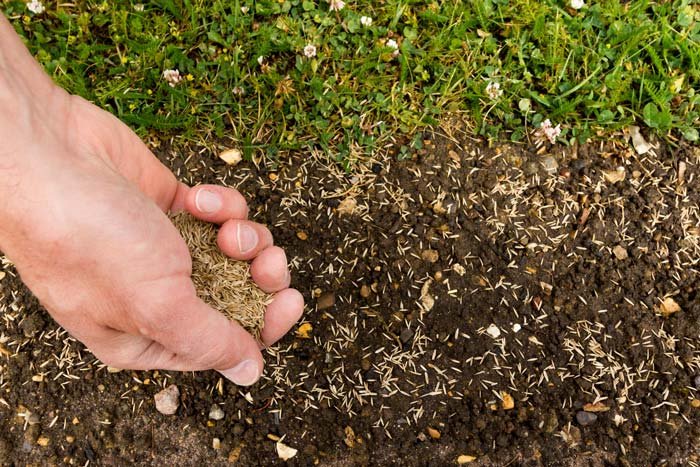
  • Broadcasting by hand or spreader: Evenly distribute seeds across the prepared soil. For small areas, hand broadcasting works well; for large lawns, a mechanical spreader ensures uniform coverage.
  • Lightly rake: Gently rake the surface to mix seeds slightly into the top ¼ inch of soil for good soil-to-seed contact.
  • Roll or press: If possible, use a lawn roller to firm the soil and press seeds down without burying them too deep.

Recommended Seeding Rates

  • Follow the seed bag instructions, as different grass types require different rates.
  • Over-seeding can lead to crowding and disease, while under-seeding results in thin lawns.

Extra Tip

Mix seeds with a small amount of sand or soil to make spreading more even and visible.


Step 4: Water Consistently

Watering is critical for germination and early growth. Seeds need consistent moisture without becoming waterlogged.

Watering Guidelines

  • Initial watering: Lightly water immediately after seeding to moisten the soil without washing away seeds.
  • Germination phase: Water lightly 2–3 times per day to keep the top ½ inch of soil moist. Avoid puddles or runoff.
  • After germination: Reduce frequency but increase depth to encourage deep root growth. Water every 2–3 days, depending on rainfall.

Extra Tip

Use a fine spray nozzle or sprinkler to avoid displacing seeds, and consider watering in the early morning to reduce evaporation and disease risk.


Step 5: Protect and Maintain Young Seedlings

Young grass is vulnerable to birds, weeds, and foot traffic. Protecting seedlings ensures strong, healthy growth.

Protection Tips

  • Mulch lightly: Spread a thin layer of straw or biodegradable mulch to retain moisture and protect seeds from birds.
  • Fencing: Temporarily cordon off the area to prevent trampling by pets or children.
  • Monitor for weeds: Pull weeds carefully by hand; young grass can’t compete with aggressive weeds.

Ongoing Maintenance

  • Fertilize lightly: About 4–6 weeks after germination, use a nitrogen-rich fertilizer to promote healthy leaf growth.
  • Mowing: Begin mowing once grass reaches 3 inches, but never cut more than 1/3 of blade length at a time.
  • Aeration and dethatching: Fall is also a good time for minor aeration to reduce soil compaction and encourage robust root systems.

Bonus Tips for Fall Lawn Success

  1. Overseeding Existing Lawns: Fall is perfect for filling in bare patches or thickening thin lawns. Simply mow short, aerate, seed, and water as described.
  2. Timing Matters: Aim to seed 6–8 weeks before the first expected frost to give grass time to establish roots.
  3. Fertilizer Boost: Use a slow-release, phosphorus-rich fertilizer at planting to support root development without excessive leaf growth.
  4. Avoid Heavy Traffic: Restrict foot traffic on new lawns to prevent damage until grass reaches 3–4 inches.
  5. Monitor Soil Temperature: Grass seeds germinate best at 50–70°F soil temperatures. Use a soil thermometer if unsure.

Common Mistakes to Avoid

  • Seeding too early or too late: Early seeding may encourage weed competition; too late and seedlings won’t establish before frost.
  • Overwatering: Soggy soil can rot seeds or promote fungal disease.
  • Skipping soil preparation: Without proper soil loosening and amendments, seeds may fail to germinate or produce weak seedlings.
  • Ignoring weeds: Weeds compete aggressively with new grass and stunt growth.
  • Cutting grass too short: Mowing too low stresses seedlings and exposes roots to frost damage.

Conclusion

Seeding a lawn successfully in fall is both strategic and rewarding. By selecting the right grass seed, preparing the soil thoroughly, sowing correctly, watering consistently, and protecting young seedlings, you can establish a lush, healthy lawn that not only survives winter but thrives in spring.

Fall-seeded lawns benefit from cooler temperatures, reduced weed pressure, and optimal moisture, giving them a head start over spring-planted lawns. With proper planning and care, your lawn will provide vibrant color, soft texture, and durability for outdoor enjoyment year-round.

By following these steps, anyone—from beginner gardeners to seasoned landscapers—can create a thriving, green lawn that sets the foundation for a beautiful garden for years to come.

How to Test Your Soil Health at Home

How to Test Your Soil Health at Home

Healthy soil is the foundation of a thriving garden, a productive farm, and a sustainable ecosystem. Whether you’re a home gardener, a small-scale farmer, or someone passionate about sustainability, understanding the condition of your soil is essential. Yet, many people overlook soil health until problems arise—plants underperform, weeds take over, or water doesn’t drain properly.

Fortunately, you don’t need expensive lab equipment or professional services to evaluate your soil. With a few simple tools, observations, and DIY tests, you can gain valuable insights into your soil’s physical structure, fertility, drainage, microbial life, and more—all from the comfort of your own home.

This article offers a step-by-step guide on how to test your soil health at home, why it matters, and how to interpret the results to improve plant performance and long-term soil sustainability.


What Is Soil Health?

Soil health refers to the biological, chemical, and physical condition of soil that enables it to function as a living ecosystem. A healthy soil:

  • Supports vigorous plant growth
  • Retains moisture and drains well
  • Cycles nutrients effectively
  • Contains diverse and active microbial communities
  • Resists erosion and compaction

Soil health is different from soil fertility. Fertility focuses on nutrients, while soil health is more holistic—it’s about how well the soil supports life.


Why Test Soil Health at Home?

Testing your soil helps you:

  • Understand what’s missing or excessive
  • Adjust watering, fertilization, and planting practices
  • Improve crop yields and plant resilience
  • Prevent long-term soil degradation
  • Save money by applying only what’s needed

Plus, DIY soil tests are fast, affordable, and repeatable—allowing you to track your soil’s improvement over time.


At-Home Soil Health Tests

Below are eight powerful and easy-to-perform tests that give you a broad understanding of your soil’s health.


1. The Soil Texture Test (Jar Test)

Purpose: Determine the proportions of sand, silt, and clay in your soil.

What You Need:

  • Clear glass jar with lid
  • Water
  • Dish soap
  • Soil sample

How to Do It:

  1. Fill the jar halfway with soil (remove sticks, rocks, etc.).
  2. Add water until the jar is nearly full.
  3. Add 1 tsp of dish soap to help particles separate.
  4. Shake vigorously for 1–2 minutes.
  5. Let it sit undisturbed for 24–48 hours.

Observation:

  • Sand settles first (bottom layer)
  • Silt settles second (middle layer)
  • Clay stays suspended and settles last (top layer)

What It Tells You:

  • High clay = poor drainage but high nutrient retention
  • High sand = fast drainage but low water/nutrient holding
  • Loam (balanced) = ideal for most plants

2. The pH Test

Purpose: Measures acidity or alkalinity of your soil.

Method 1: Using a Soil pH Test Kit (available at garden stores)

Method 2: DIY Vinegar and Baking Soda Test:

  • Place 2 tablespoons of soil in two separate containers.
  • Add vinegar to one: fizz = alkaline (pH > 7)
  • Add water to the second, then baking soda: fizz = acidic (pH < 7)
  • No reaction = neutral (pH ~7)

Why It Matters:

  • Most plants prefer pH between 6.0–7.0.
  • Out-of-range pH locks up nutrients and stunts growth.

3. The Soil Structure Test (Ribbon Test)

Purpose: Check how well your soil holds together.

How to Do It:

  1. Moisten a handful of soil until it feels like dough.
  2. Roll it into a ball.
  3. Press and roll it into a ribbon using your fingers.

Observation:

  • Long, sticky ribbon = clay-heavy
  • Crumbly, gritty ribbon = sandy
  • Short but cohesive = loamy

Why It Matters:

  • Structure influences drainage, aeration, and root penetration.

4. The Drainage Test

Purpose: Evaluate how well your soil absorbs water.

How to Do It:

  1. Dig a hole about 1 foot deep and wide.
  2. Fill it with water and let it drain completely.
  3. Refill it and time how long it takes to drain.

Ideal Result:

  • 1–2 inches per hour is optimal drainage.
  • Faster = sandy soil
  • Slower = clay or compacted soil

What To Watch:
Poor drainage leads to root rot, while fast drainage requires frequent watering.


5. The Earthworm Count Test

Purpose: Gauge biological activity.

How to Do It:

  1. Dig a 12”x12”x6” hole.
  2. Place soil on a tarp or bucket.
  3. Count how many earthworms you find.
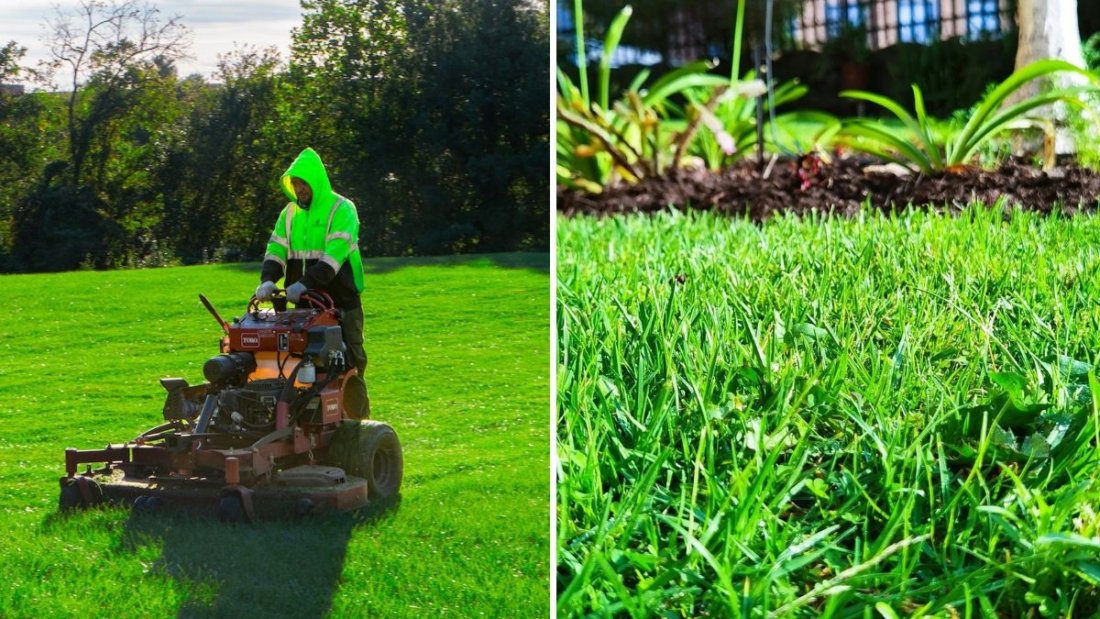
Healthy Benchmark:

  • 10 or more worms per square foot = good biological activity

Why It Matters:
Earthworms aerate soil, break down organic matter, and improve fertility naturally.
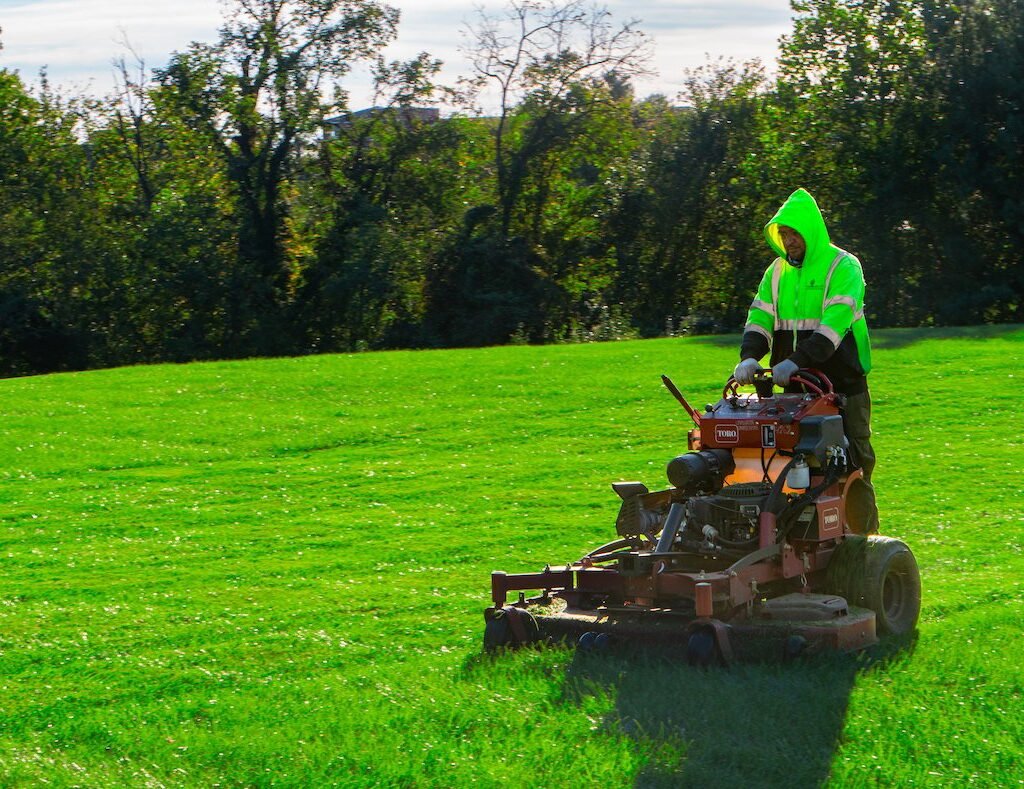

6. The Root Development Test

Purpose: Assess how well plants can grow roots.

How to Do It:

  • Carefully dig up a small plant with roots intact.
  • Observe root length, spread, and color.

Healthy Signs:

  • Long, white roots that branch out
  • Roots penetrate deep into the soil

Unhealthy Signs:

  • Short, brown, twisted, or circling roots
  • Root-bound or shallow growth

Poor root development often signals compaction, poor drainage, or low nutrients.


7. The Microbial Activity Test (Soil Respiration/Bury a Cotton Test)

Purpose: Evaluate soil life and microbial respiration.

How to Do It:

  1. Bury a piece of 100% cotton fabric (e.g., old T-shirt) about 6 inches deep.
  2. Mark the location.
  3. Dig it up after 3–4 weeks.

What You See:

  • Lots of decomposition = active microbial life
  • Minimal change = poor biology

Microbes are key to nutrient cycling, disease resistance, and soil structure.


8. The Visual Assessment

Sometimes your eyes are the best tool!

Look for:

  • Soil color: Dark = high organic matter, pale = poor fertility
  • Crumbs or aggregates: Good tilth, not dusty or cloddy
  • Surface crusting: May indicate compaction or poor organic matter
  • Presence of fungi, bugs, roots, and other life

Interpreting the Results

Now that you’ve completed your home soil tests, how do you make sense of it all?

IndicatorHealthy SoilUnhealthy Soil
TextureBalanced loamToo much clay or sand
pH6.0–7.0<5.5 or >7.5
StructureCrumbly, well-aggregatedHard, compacted, crusty
Drainage1–2 inches/hourToo slow or too fast
Earthworms10+ per sq ftFew or none
Microbial lifeCotton test shows decompositionNo change after 3–4 weeks
Root developmentDeep, white, branching rootsShallow, discolored, deformed
ColorDark brown or blackPale, gray, or yellowish

What to Do Next: Improving Soil Health

If your home soil tests reveal issues, don’t worry—soil health is highly repairable. Here’s how to improve it:

1. Add Organic Matter

  • Use compost, leaf mold, aged manure, and mulch.
  • Improves texture, water retention, and biology.

2. Reduce Tillage

  • Tilling damages soil structure and life.
  • Try no-dig or low-disturbance practices.

3. Plant Cover Crops

  • Clover, rye, and vetch improve nutrients and soil texture.

4. Avoid Synthetic Chemicals

  • Excess fertilizers and pesticides can harm soil microbes.

5. Maintain Soil Cover

  • Never leave soil bare—use mulch or living ground covers.

Conclusion

Testing your soil health at home is an empowering step toward building a more productive, eco-friendly, and sustainable growing space. By understanding the physical, chemical, and biological properties of your soil, you can make informed decisions that lead to healthier plants, higher yields, and long-term soil vitality.

The best part? You don’t need to be a scientist to do it. With curiosity, basic tools, and a few hours, you can gain a deeper connection to the soil beneath your feet—and take control of your land’s future.