How to Grow Radishes Quickly and Easily

How to Grow Radishes Quickly and Easily

If you’re looking for a fast-growing, easy-to-care-for vegetable to add to your garden, radishes are a perfect choice. These crisp, peppery root vegetables are among the quickest crops you can grow, with some varieties ready to harvest in as little as three weeks. Whether you’re a beginner gardener or an experienced grower, radishes are a rewarding crop that can be grown in small spaces, raised beds, or even containers.

This guide will walk you step by step through everything you need to know to grow radishes quickly and easily, from choosing the right variety to harvesting and enjoying your homegrown crop.


Why Grow Radishes?
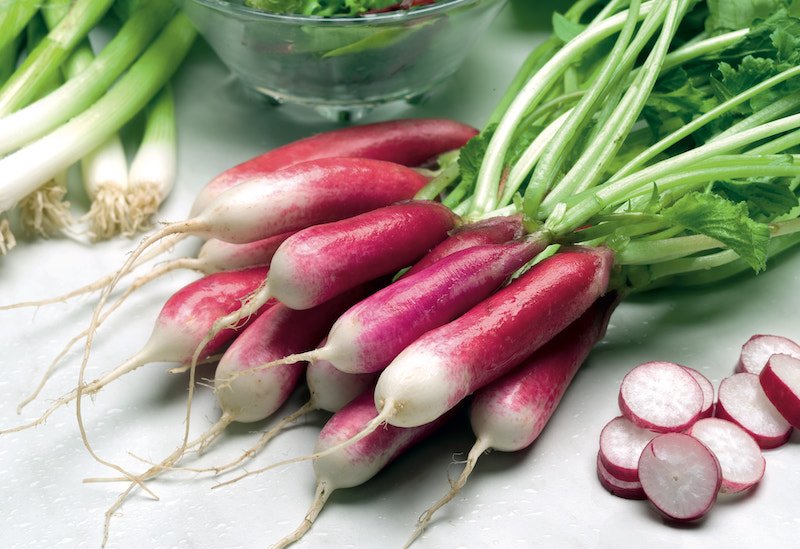
Radishes are often overlooked in favor of larger vegetables, but they offer many advantages:

  • Quick Growth: Many varieties mature in just 20–30 days.
  • Beginner Friendly: Radishes are low-maintenance and forgiving.
  • Small-Space Gardening: Perfect for containers or interplanting with slower crops.
  • Nutritional Value: High in vitamin C, fiber, and antioxidants.
  • Versatile Use: Delicious raw in salads, pickled, roasted, or used as garnish.

Step 1: Choose the Right Radish Variety
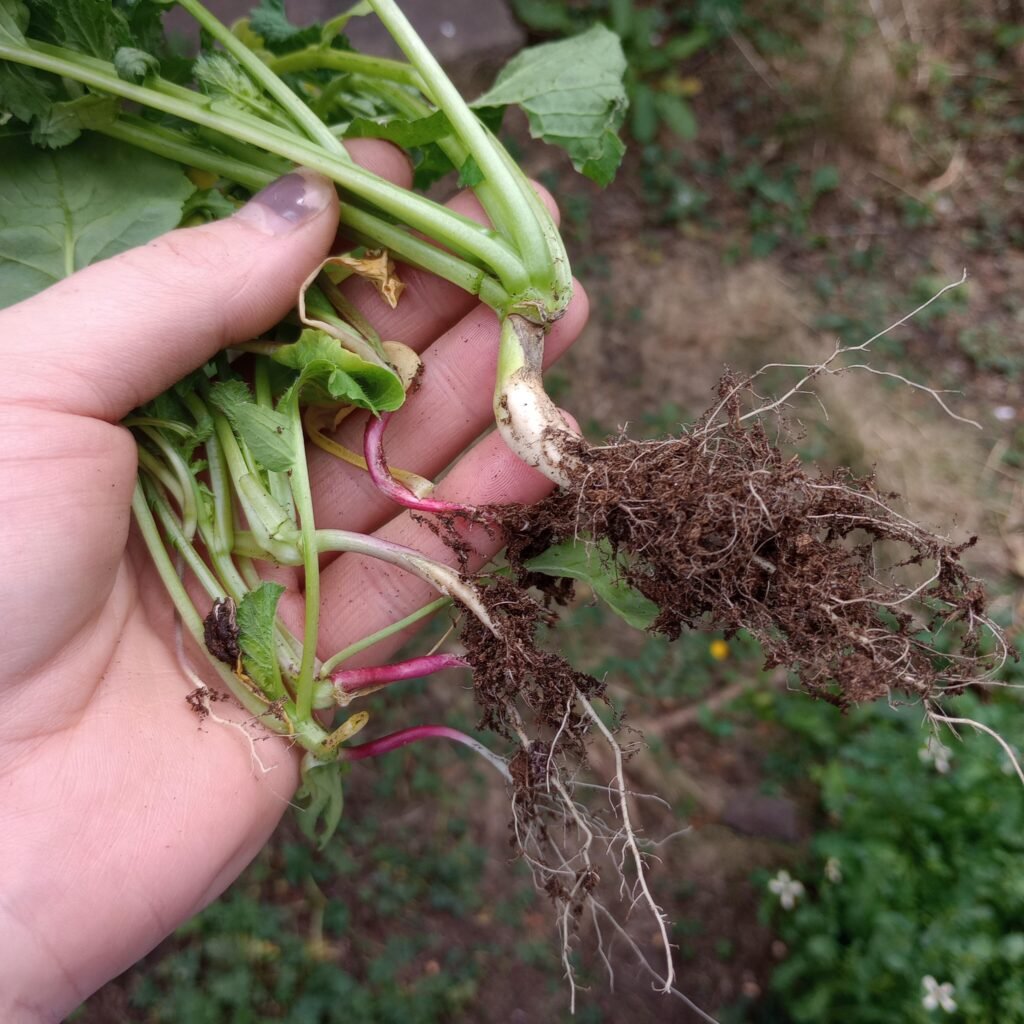
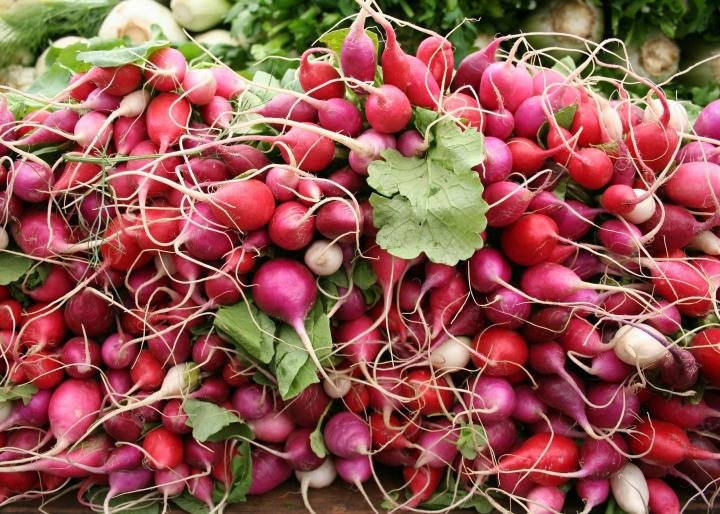
There are several types of radishes, and choosing the right one depends on your needs and climate.

  1. Spring Radishes (Quick Growers)
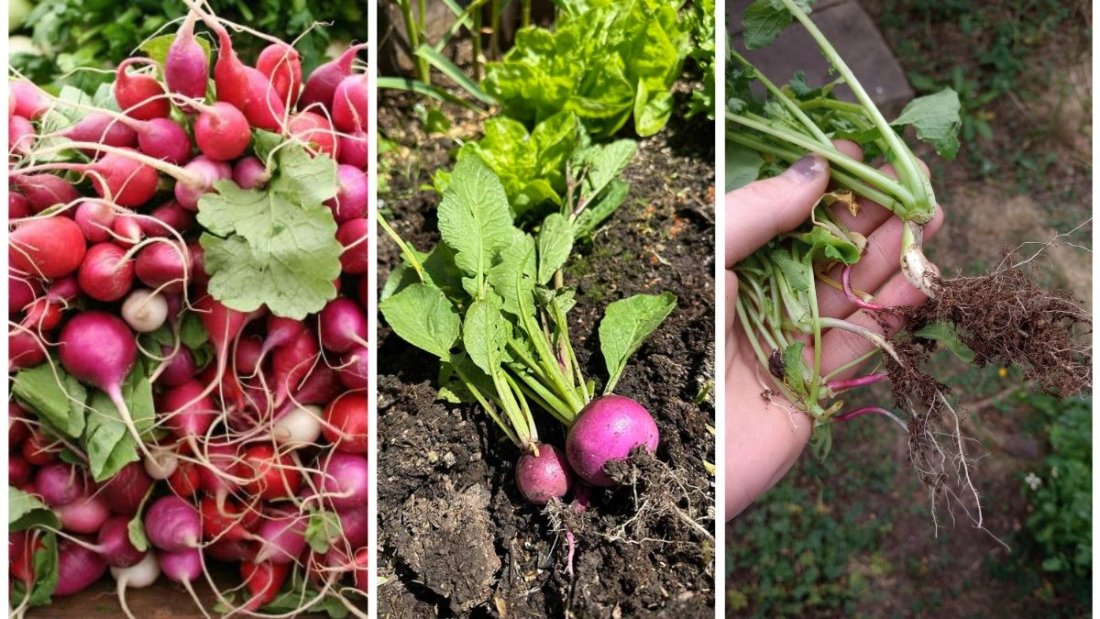
    • Examples: ‘Cherry Belle,’ ‘French Breakfast,’ ‘Easter Egg.’
    • Maturity: 20–30 days.
    • Flavor: Mild to peppery.
    • Best for beginners.
  2. Winter Radishes (Larger and Slower)
    • Examples: ‘Daikon,’ ‘Black Spanish,’ ‘China Rose.’
    • Maturity: 50–70 days.
    • Flavor: Stronger, more pungent.
    • Better for storage and cooking.

Tip: If your goal is speed and simplicity, go with spring radishes.


Step 2: Best Time to Plant Radishes
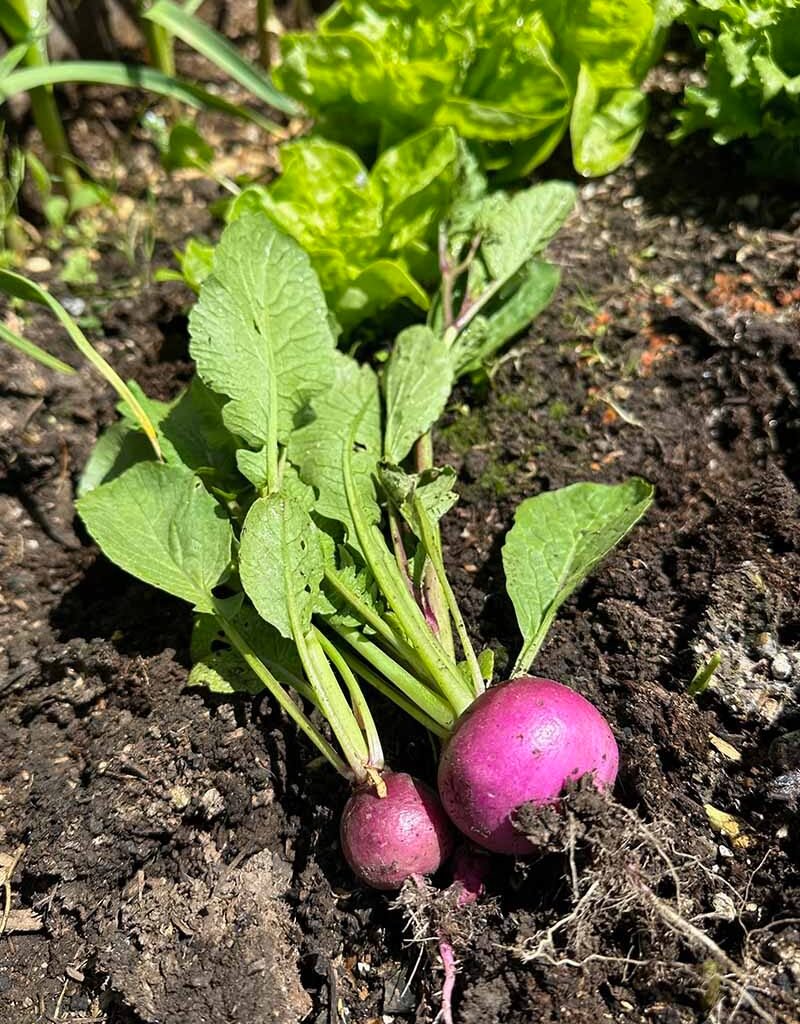
Radishes are cool-season crops and grow best in moderate temperatures.

  • Spring Planting: Start sowing 2–4 weeks before the last expected frost. Continue planting every 1–2 weeks for a continuous harvest.
  • Fall Planting: Sow seeds 4–6 weeks before the first expected frost.
  • Avoid Summer Heat: High temperatures cause radishes to bolt (go to seed) and produce woody, bitter roots.

Step 3: Preparing the Soil

Healthy soil is the key to quick-growing radishes.

  • Soil Type: Loose, sandy, or loamy soil is ideal. Heavy clay soil leads to deformed roots.
  • Drainage: Ensure well-drained soil to avoid rot.
  • pH Level: Slightly acidic to neutral (6.0–7.0).
  • Fertility: Add compost before planting, but avoid excessive nitrogen, which encourages leafy tops instead of roots.

Step 4: Planting Radish Seeds
Radishes are always grown from seed, not transplants.

  1. Direct Sowing: Sow seeds directly into the garden or container.
  2. Depth: Plant seeds ½ inch deep.
  3. Spacing: Thin seedlings to 2 inches apart for spring radishes and 4–6 inches apart for larger winter types.
  4. Row Spacing: Keep rows 8–12 inches apart.
  5. Succession Planting: Plant every 7–10 days for continuous harvests.

Step 5: Watering and Care

Radishes need consistent moisture to grow quickly and develop tender roots.

  • Watering: Provide 1 inch of water per week. Keep soil evenly moist but not soggy.
  • Mulching: Apply a thin layer of mulch to conserve moisture and suppress weeds.
  • Thinning: Thin seedlings promptly to prevent overcrowding, which causes small or misshapen roots.

Step 6: Sunlight Requirements
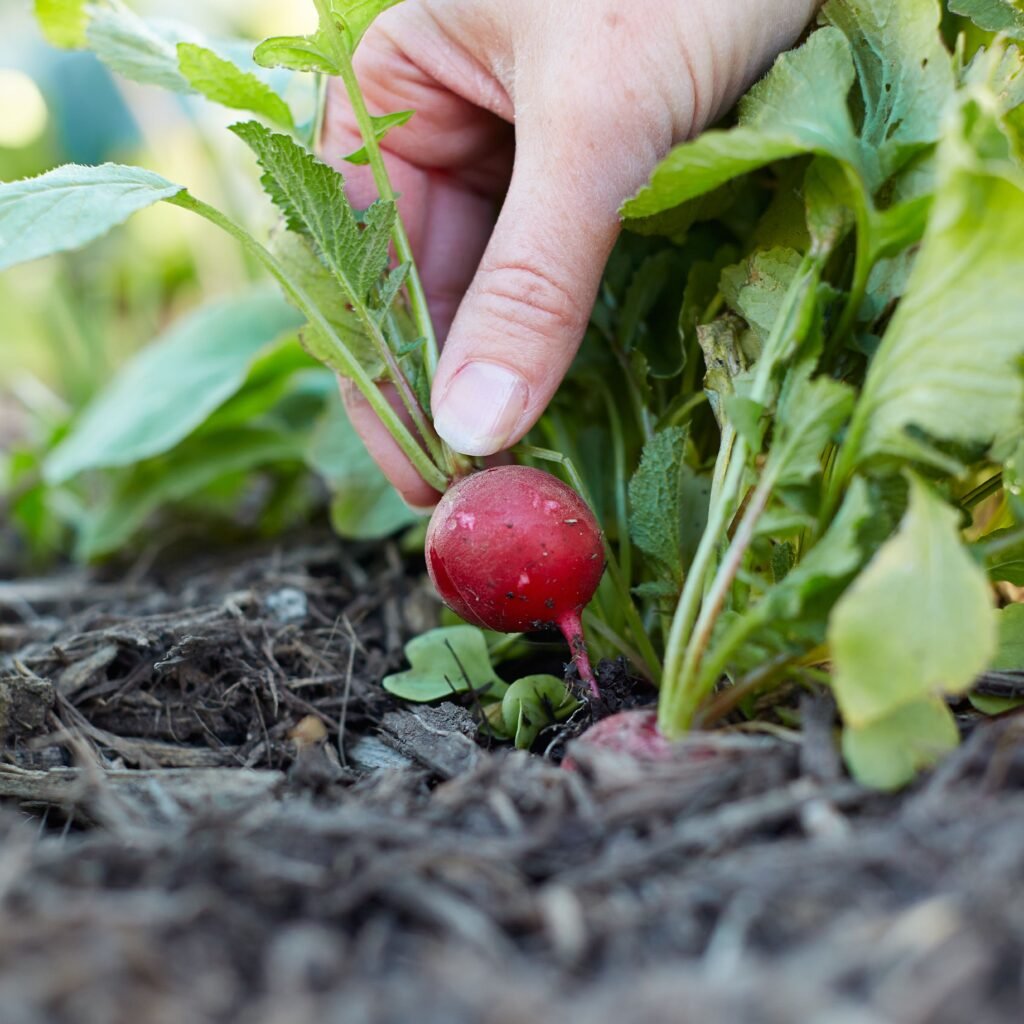
  • Radishes prefer full sun (6–8 hours daily).
  • They can tolerate partial shade, especially in warm climates, but growth will be slower.

Step 7: Managing Pests and Diseases

Radishes are relatively pest-resistant, but some problems may arise:

Common Pests

  • Flea Beetles: Small holes in leaves.
  • Root Maggots: Damage roots, making them inedible.
  • Aphids: Cluster on leaves, sucking sap.

Control Methods:

  • Use row covers to protect seedlings.
  • Rotate crops yearly to avoid soil-borne pests.
  • Encourage beneficial insects like ladybugs.

Common Diseases

  • Downy Mildew: Yellow spots on leaves.
  • Clubroot: Swollen, deformed roots caused by soil fungus.
  • Black Rot: Yellowing and wilting of leaves.

Prevention:

  • Avoid waterlogged soil.
  • Practice crop rotation.
  • Use disease-resistant varieties.

Step 8: Companion Planting

Radishes make excellent companion plants because they grow quickly and deter pests.

  • Good Companions: Lettuce, spinach, cucumbers, beans, carrots.
  • Bad Companions: Hyssop and potatoes (can stunt growth).

Radishes also work well as a “trap crop,” luring pests away from other vegetables.


Step 9: Harvesting Radishes

Radishes are one of the fastest crops to mature.

  • Spring Varieties: Ready in 20–30 days. Check roots when tops are about 1 inch wide.
  • Winter Varieties: Harvest in 50–70 days when roots reach their mature size.

How to Harvest:

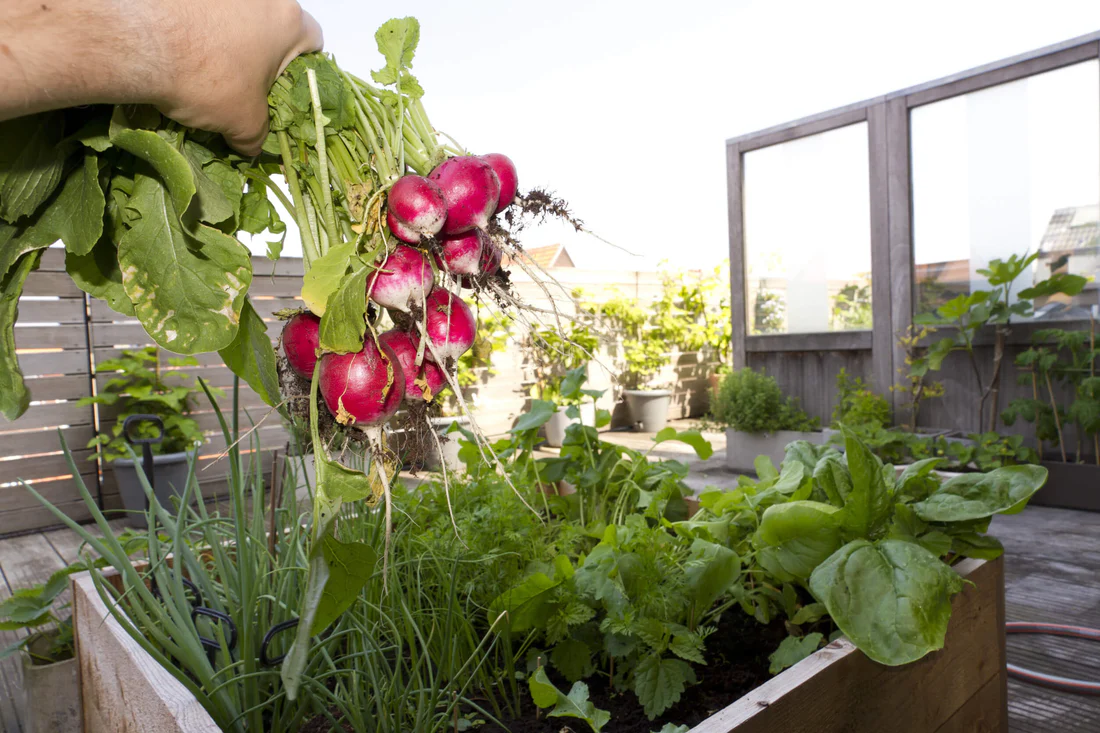
  • Gently pull radishes by their tops.
  • If the soil is compact, loosen it with a garden fork before pulling.

Tip: Don’t leave radishes in the ground too long. They quickly become woody, hollow, and bitter.


Step 10: Storing and Using Radishes

  • Fresh Storage: Store radishes in the refrigerator for up to 2 weeks. Remove leaves before storing to prevent moisture loss.
  • Long-Term Storage: Winter radishes like daikon can be stored in cool, damp sand or sawdust for months.
  • Culinary Uses:
    • Slice raw into salads for crunch.
    • Roast for a sweeter flavor.
    • Pickle for tangy snacks.
    • Use radish greens in stir-fries or as a sautéed side dish.

Growing Radishes in Containers

If you don’t have garden space, radishes thrive in containers.

  • Container Size: At least 6 inches deep for spring radishes, 12 inches for winter varieties.
  • Soil: Use light, well-draining potting mix.
  • Spacing: Sow seeds 2 inches apart.
  • Watering: Containers dry out faster, so water more frequently.
  • Placement: Keep pots in full sun for fastest growth.

Common Mistakes to Avoid

  • Overcrowding: Leads to small, deformed roots. Thin seedlings properly.
  • Too Much Nitrogen: Produces lush leaves but small or no roots.
  • Lack of Water: Causes woody, bitter radishes.
  • Planting in Heat: Hot weather makes radishes bolt before forming roots.

Quick Growing Timeline

  • Day 1: Sow seeds directly in soil.
  • Day 3–7: Seedlings sprout.
  • Day 10–14: Thin seedlings to proper spacing.
  • Day 20–30: Harvest spring radishes.
  • Day 50–70: Harvest winter radishes.

Final Thoughts

Radishes are one of the most rewarding vegetables to grow—fast, simple, and delicious. With just a little attention to soil, water, and spacing, you can enjoy fresh radishes from your garden in less than a month. They are the perfect crop for beginners learning to garden, as well as seasoned growers who want quick results.

Whether you enjoy the peppery bite of fresh radishes in a salad, the sweetness of roasted roots, or the zing of pickled slices, growing your own ensures freshness and flavor you won’t find at the store. Plus, their fast growth makes them an excellent filler crop between slower-growing vegetables.

Start small, experiment with different varieties, and soon you’ll have a steady supply of crisp, colorful radishes at your table.
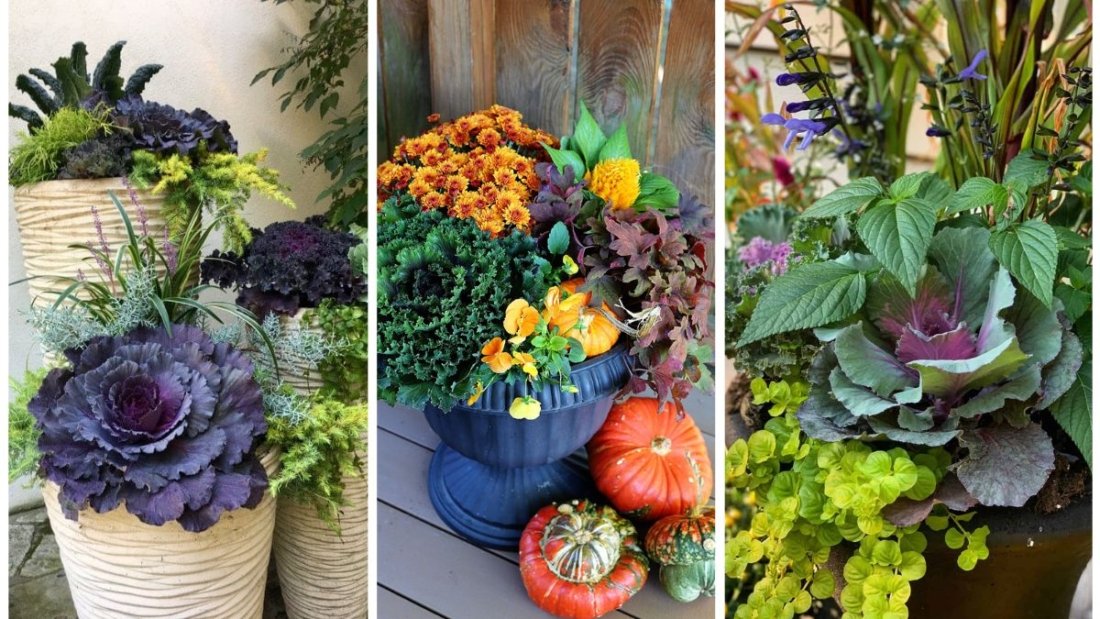
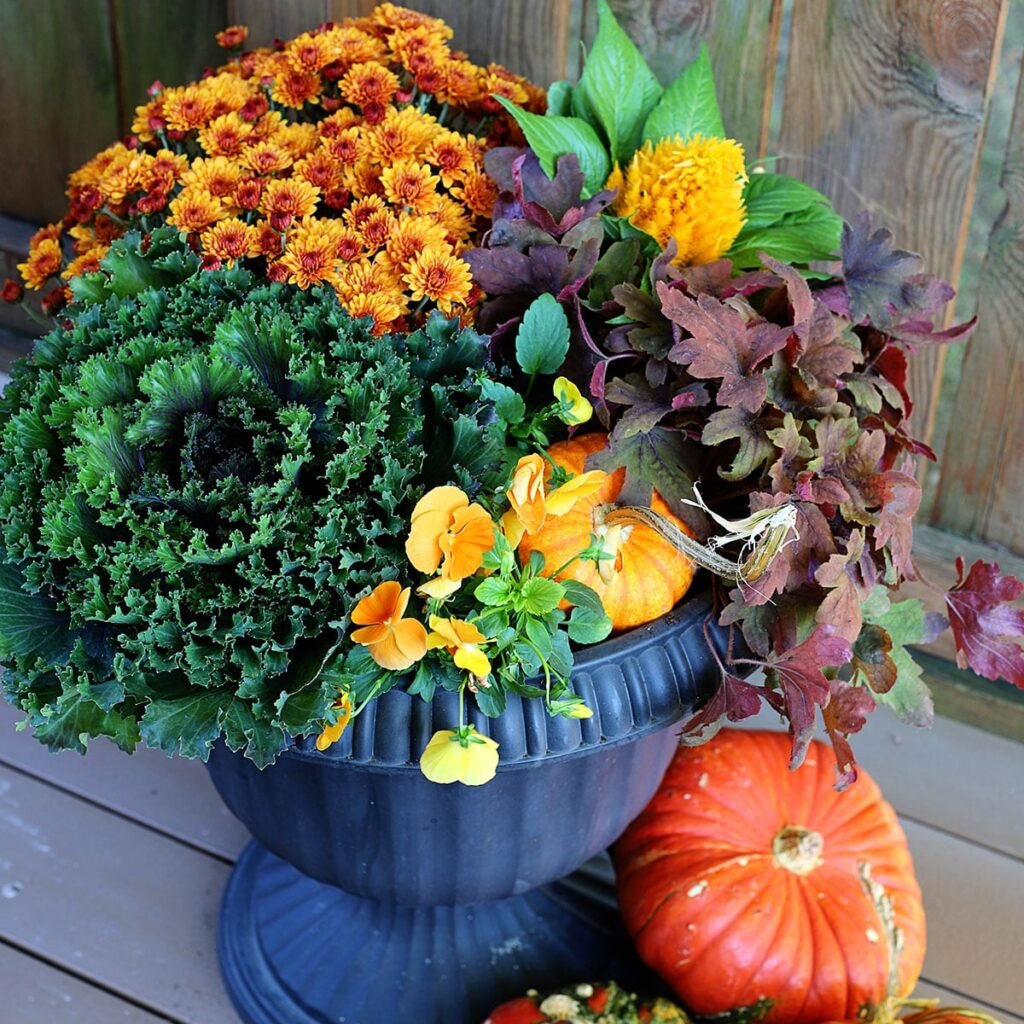
How To Create A Stunning Fall Container Display

How To Create A Stunning Fall Container Display

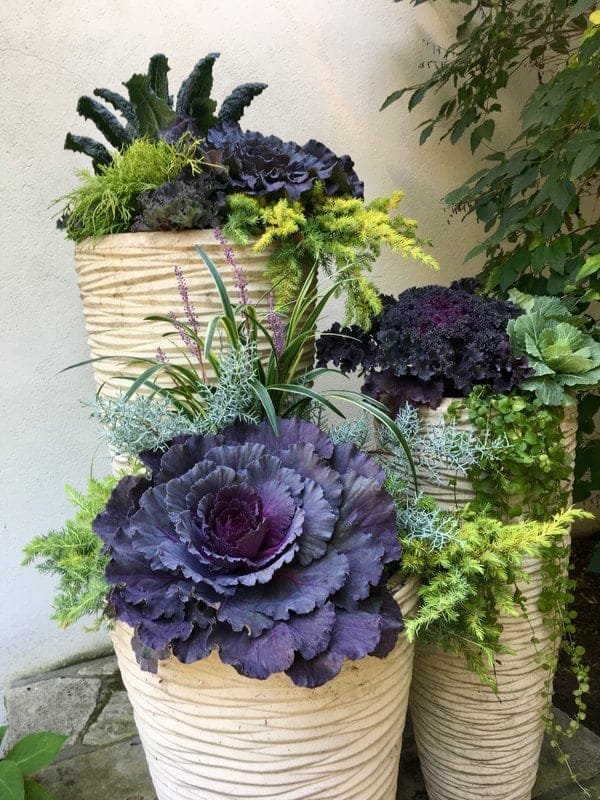
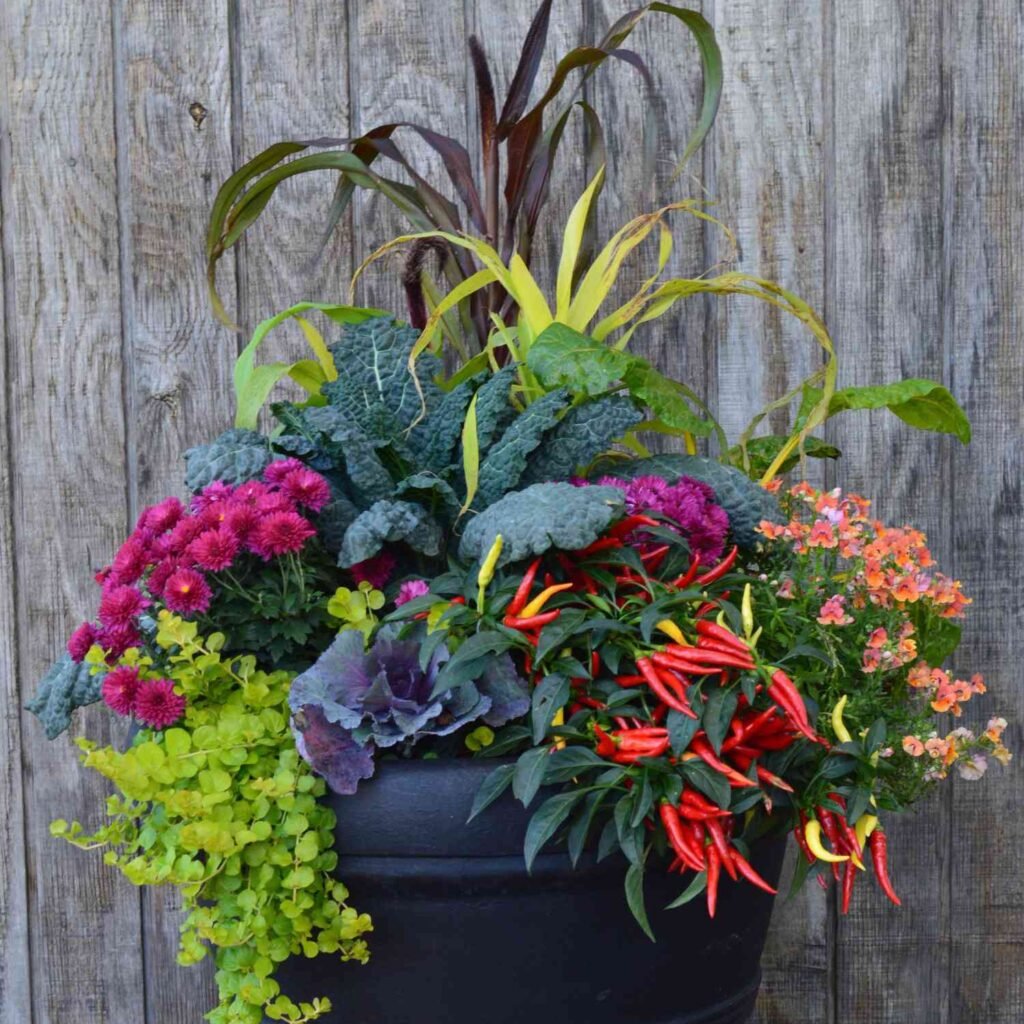
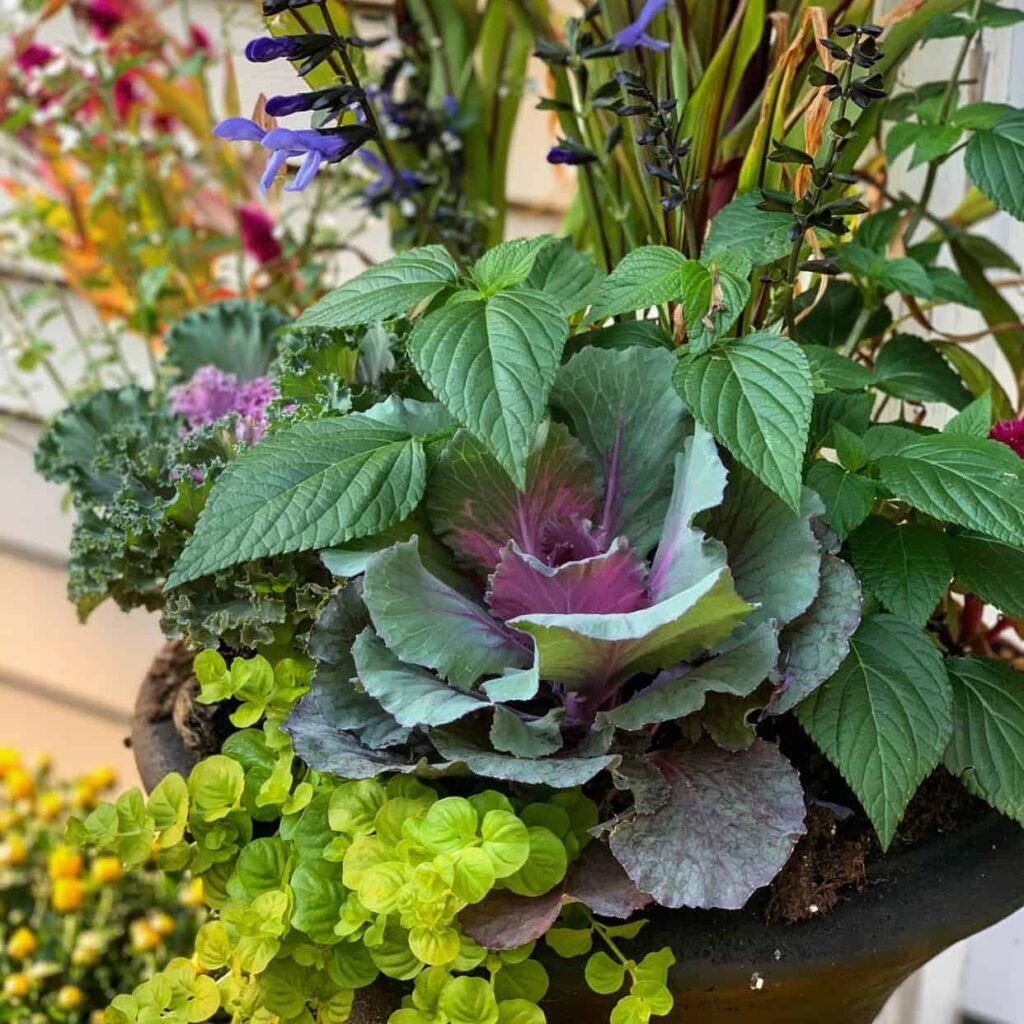
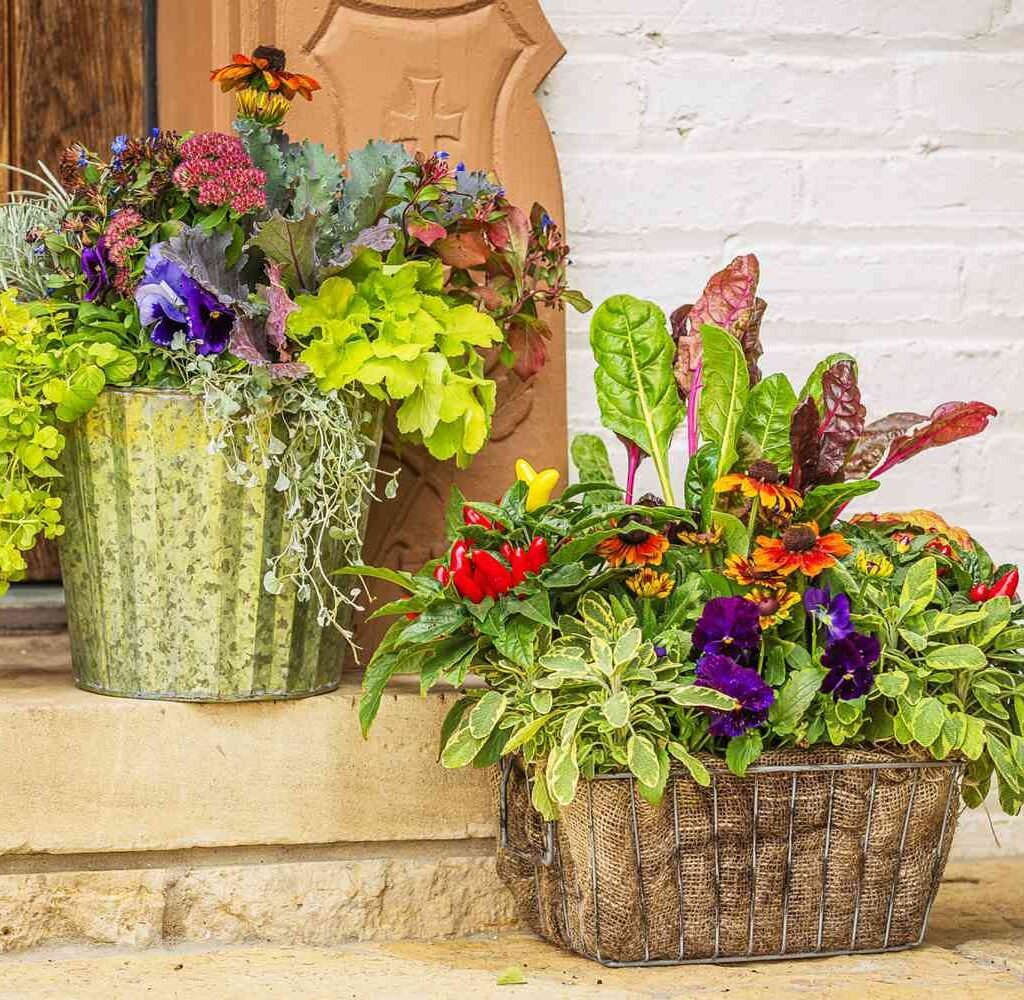
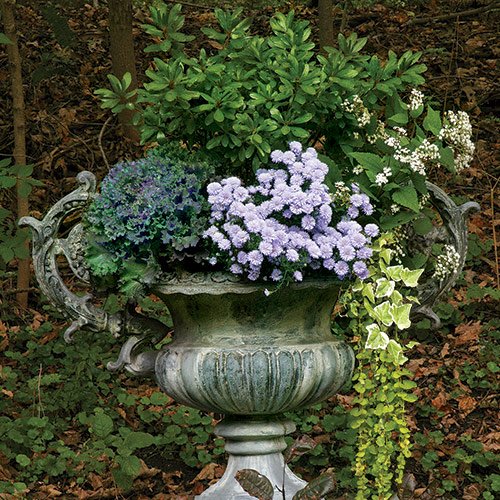
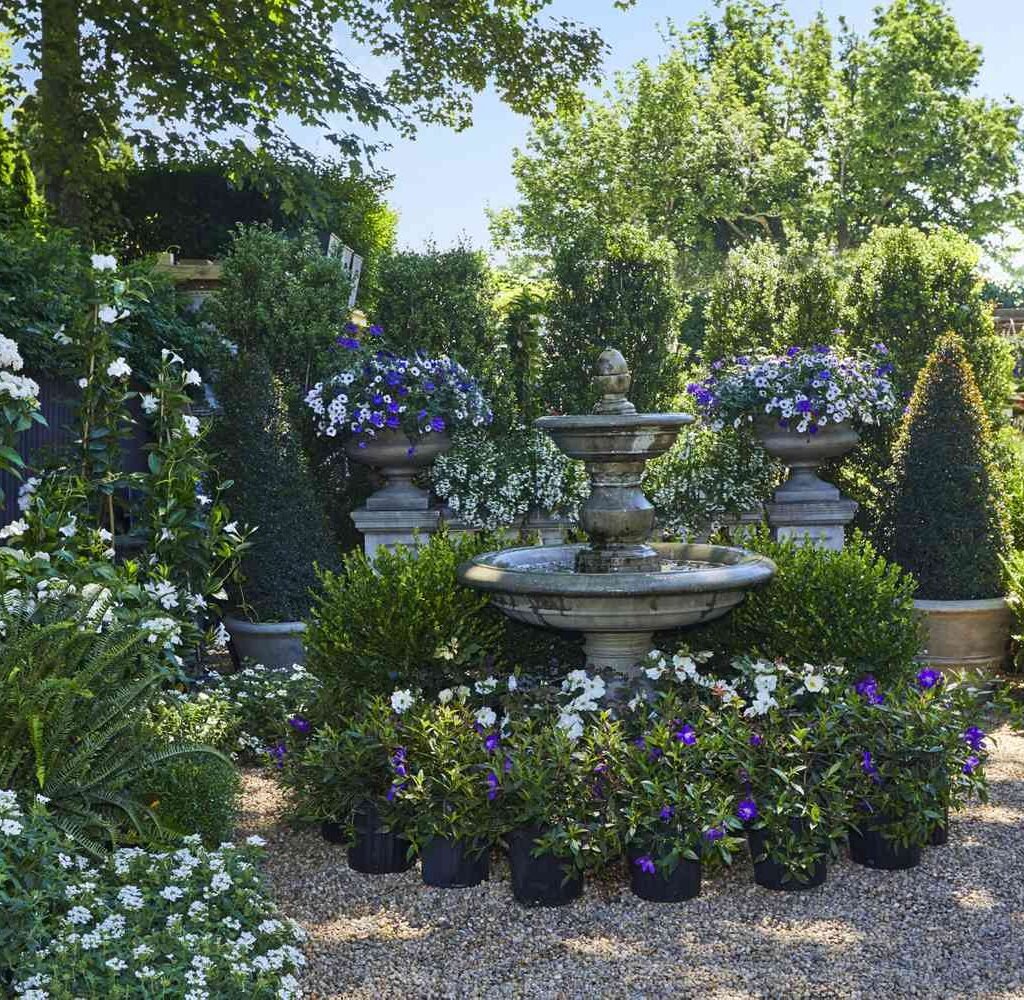
As the air turns crisp and the leaves begin to fall, gardeners everywhere shift from summer’s bright blooms to the rich, earthy tones of autumn. Fall is the perfect season to celebrate bold colors, lush textures, and creative container arrangements that can breathe new life into your outdoor spaces.

Whether you’re decorating your front porch, balcony, patio, or windowsill, a well-designed fall container display offers a warm and vibrant welcome to the season. And the best part? It doesn’t require a large garden or professional landscaping skills—just a few smart choices and creative touches.

In this guide, we’ll explore how to create a stunning fall container display, from selecting the right plants and color palette to choosing containers, arranging your composition, and maintaining it throughout the season.


1. Understand What Makes Fall Displays Unique

Unlike spring or summer containers, fall arrangements are all about contrast, texture, and structure. You’re working with:

  • Cooler temperatures
  • Shorter days
  • Richer, deeper colors

Fall containers focus on hardy, cold-tolerant plants that thrive in this transitional season and can often withstand frost. You’ll also work with foliage-forward plants, late-season bloomers, and decorative elements like pumpkins, gourds, or dried grasses.

Key Characteristics of a Fall Container Display:

  • Warm and bold color palette
  • Variety of textures (soft, spiky, ruffled, trailing)
  • Visual height and drama
  • Seasonal accessories or accents

2. Choose the Right Container

Start with a container that matches the scale of your space and plants. Bigger is often better for fall, as it allows for:

  • More soil volume (which means better insulation)
  • Space for layering textures
  • A strong visual impact

Container Considerations:

  • Material: Use frost-resistant containers such as ceramic, resin, fiberglass, or heavy-duty plastic. Avoid thin terracotta in regions with early frost.
  • Color: Go for neutral tones (gray, black, cream) to let plant colors pop, or choose rustic finishes like copper, bronze, or wood for a seasonal feel.
  • Drainage: Ensure your pot has good drainage to prevent soggy roots, especially during fall rains.

3. Select a Seasonal Color Palette

Fall is all about rich, moody hues. Think beyond just orange and yellow. Here’s a guide to building your fall palette:

Traditional Fall Colors:

  • Burnt orange
  • Golden yellow
  • Brick red
  • Pumpkin

Sophisticated Fall Colors:

  • Burgundy
  • Plum or eggplant
  • Dusty rose
  • Olive green
  • Creamy white
  • Charcoal gray

Try using three main tones: a warm base color, a deep accent, and a lighter neutral to balance.


4. Follow the “Thriller, Filler, Spiller” Design Formula

This classic container design principle works especially well in fall displays.

1. Thriller – The focal point:

Tall, dramatic plants that add height and structure.
Examples:

  • Ornamental grasses (e.g., purple fountain grass, feather reed grass)
  • Millet
  • Kale trees
  • Tall asters or rudbeckia

2. Filler – The volume and body:

Medium-height plants that fill the center and middle of the pot.
Examples:

  • Ornamental cabbage or kale
  • Chrysanthemums (mums)
  • Heuchera (coral bells)
  • Pansies and violas
  • Sedum

3. Spiller – The cascade and softness:

Trailing plants that drape over the edge.
Examples:

  • Creeping Jenny
  • Sweet potato vine (dark purple or chartreuse)
  • Ivy
  • Trailing pansies
  • Dichondra ‘Silver Falls’

5. Use Non-Plant Elements for Seasonal Flair

Incorporate natural and decorative elements to elevate your fall container from garden variety to magazine-worthy.

Additions to Consider:

  • Mini pumpkins or gourds nestled among the plants
  • Dried wheat, corn stalks, or grasses for height and texture
  • Twigs, branches, or curly willow for drama and height
  • Pinecones or acorns tucked into the soil
  • Lanterns or fairy lights for ambiance
  • Burlap or seasonal ribbons wrapped around the base

These accents add visual interest and can be swapped out or refreshed throughout the season.


6. Choose Cold-Tolerant Plants

Fall weather is unpredictable—sunny one day, frosty the next. Choose hardy plants that can withstand cool nights and still look beautiful after a light frost.

Cold-Hardy Stars for Fall:

  • Ornamental Cabbage & Kale – Bold rosettes of purple, white, or green that get even more vibrant in cold weather.
  • Pansies & Violas – Cheerful blooms that handle frost surprisingly well.
  • Heuchera (Coral Bells) – Durable perennial with colorful foliage from lime green to deep burgundy.
  • Asters – Late-season bloomers in purple, pink, and white.
  • Mums (Chrysanthemums) – Classic fall flowers, best when bought in early bud stage for longer bloom time.
  • Sedum – Especially ‘Autumn Joy,’ which turns coppery red in fall.

If your climate drops below freezing early, consider bringing your containers indoors overnight or choosing fully frost-proof combinations.


7. Layer and Texture Like a Pro

Stunning fall displays are rich in visual and tactile texture. Mix broad leaves with fine fronds, upright plants with flowing vines, and glossy foliage with matte or fuzzy surfaces.

Textural Combos to Try:

  • Pair feathery grasses with smooth kale and crinkly mums
  • Contrast dark sweet potato vine with silver dusty miller
  • Combine upright millet with trailing creeping Jenny

Don’t be afraid to cluster multiple containers of varying sizes together for a more layered and dimensional look.


8. Planting and Assembly Tips

Once you’ve gathered your materials, it’s time to put everything together.

Step-by-Step Guide:

  1. Fill the container with high-quality potting mix (not garden soil).
  2. Position your thriller first, toward the back or center.
  3. Arrange fillers around the thriller, working in odd numbers for balance.
  4. Tuck spillers near the edges so they can trail down.
  5. Add seasonal accents (mini pumpkins, twigs, etc.).
  6. Water thoroughly after planting and place your container in its final location.

Tip: Don’t overcrowd! Leave some space for plants to grow and breathe.


9. Maintenance and Longevity Tips

Your display may be seasonal, but with the right care, it can last 6–8 weeks or more.

Care Tips:

  • Water consistently, especially during warm days.
  • Avoid overhead watering to prevent rot in mums and ornamental cabbage.
  • Deadhead spent flowers to keep blooms coming.
  • Rotate containers for even sun exposure if needed.
  • Protect plants from early frost by moving pots to sheltered areas or using frost cloth.

Pro Tip: As temperatures drop, consider swapping frost-sensitive plants with evergreen branches, pinecones, or holiday decor to transition your display into winter.


Conclusion: Let Autumn Shine on Your Doorstep

Creating a stunning fall container display is about celebrating the season—its colors, textures, and the cozy atmosphere it brings. With the right mix of hardy plants, thoughtful design, and a touch of creativity, you can craft a display that turns heads and brings joy from September through November.

Whether you’re working with a single pot or a full porch arrangement, remember: fall is your chance to showcase bold beauty, dramatic foliage, and natural charm. So grab your gloves, gather your gourds, and let your container garden tell the story of autumn.

6 Container Garden Mistakes You Might Be Making

6 Container Garden Mistakes You Might Be Making

Container gardening has exploded in popularity over the past decade—and for good reason. It’s accessible, space-saving, and perfect for both urban dwellers and those with limited yard space. But while potted plants may seem like a beginner-friendly entry into gardening, many people unknowingly make mistakes that sabotage their green efforts.

If your container plants keep drooping, drying out, or dying despite your best efforts, don’t worry—you’re not alone. Even seasoned gardeners overlook these common pitfalls.

In this article, we’ll uncover 6 container gardening mistakes you might be making, explain why they matter, and show you how to fix them for good.


Mistake #1: Using the Wrong Soil Mix

Let’s start from the ground up—literally. One of the most common container gardening mistakes is using garden soil or the wrong potting mix.

Why It’s a Problem:

Garden soil is too heavy for containers. It compacts easily, retains too much water, and lacks proper aeration, leading to poor drainage and root suffocation. Even worse, it can harbor pests and diseases.

Solution:

Always use a high-quality potting mix, not garden soil. Potting mixes are designed to retain moisture while allowing for good airflow and drainage—exactly what container plants need.

If you’re growing specific plants (like succulents, herbs, or vegetables), use mixes tailored to their needs. You can also DIY a soil blend:

  • General mix: 2 parts peat moss or coconut coir, 1 part perlite, 1 part compost
  • Succulents/cacti: 1 part sand, 1 part perlite, 1 part potting soil

Mistake #2: Choosing the Wrong Container

The container you pick affects everything from root health to moisture retention. Many gardeners choose pots based on looks alone, forgetting about size, drainage, and material.

Why It’s a Problem:

  • Too small? Roots outgrow the space, water dries out too fast, and plants become root-bound.
  • No drainage holes? Water accumulates at the bottom, causing root rot.
  • Porous materials like terracotta? Great for airflow, but they cause faster water evaporation.

Solution:

  • Size up if roots are circling the pot or poking through the drainage holes.
  • Ensure drainage holes are present in every container—no exceptions.
  • For thirsty plants, choose plastic or glazed ceramic pots that retain water better.
  • Use pot feet or a tray to elevate the pot and encourage proper drainage.

Mistake #3: Overwatering or Underwatering

Container plants are more vulnerable to watering mistakes because their root zones are confined. You can’t rely on rainfall or deep root systems to buffer mistakes.

Why It’s a Problem:

  • Overwatering drowns roots, creates fungal conditions, and leads to rot.
  • Underwatering deprives roots of essential moisture and nutrients, especially in hot weather or small pots.

Solution:

  • Use the finger test: Stick your finger 1–2 inches into the soil. If it feels dry, water deeply.
  • Water until you see drainage from the bottom of the pot.
  • Invest in a moisture meter if you’re unsure.
  • Adjust your watering schedule seasonally. Plants need less water in winter and more during summer.

Bonus Tip: Water in the morning to minimize evaporation and give roots time to absorb moisture before the heat of the day.


Mistake #4: Ignoring Light Requirements

Sunlight is not one-size-fits-all. Placing a shade-loving fern in full sun or a tomato plant in a dark corner is a recipe for failure.

Why It’s a Problem:

  • Too little light = leggy, slow-growing plants with yellowing leaves.
  • Too much sun = scorched leaves and overly dry soil.

Solution:

  • Know your plant’s light needs: Full sun (6–8 hrs), partial sun/shade (3–6 hrs), or low light (<3 hrs).
  • Use a sunlight tracking app or simply observe your space at different times of the day.
  • Rotate plants regularly to ensure even growth.
  • Use grow lights indoors if natural light is insufficient.

Mistake #5: Overcrowding the Container

While a lush, full pot looks beautiful, stuffing too many plants into one container can lead to competition for water, nutrients, and root space.

Why It’s a Problem:

  • Roots become tangled and compacted.
  • Plants compete for sunlight and airflow, increasing disease risk.
  • Faster soil depletion and drying out.

Solution:

Follow the rule of “thriller, filler, spiller”:

  • Thriller: The centerpiece or tall plant
  • Filler: Bushy or mounding plants
  • Spiller: Trailing plants that cascade over the edge

Stick to 1–3 plants per pot depending on container size. Always consider the mature size of the plants—not just how they look now.


Mistake #6: Neglecting Fertilization

Even with great soil, your container plants will eventually run out of nutrients. Why? Because with every watering, nutrients are leached out of the soil.

Why It’s a Problem:

  • Without regular feeding, plants become stunted, discolored, and weak.
  • Fruiting and flowering plants especially need ongoing nutrients to thrive.

Solution:

  • Use a slow-release fertilizer when planting.
  • Supplement with a liquid fertilizer every 2–4 weeks during the growing season.
  • Choose the right fertilizer:
    • Balanced (10-10-10) for general use
    • High phosphorus for blooms (e.g., 10-20-10)
    • Nitrogen-rich for leafy greens

Always follow package instructions and avoid over-fertilizing, which can burn roots and cause salt buildup.


Bonus Tips for Thriving Container Gardens:

  • Mulch the top layer of soil with bark, moss, or coconut husk to retain moisture.
  • Elevate containers off the ground to improve airflow and drainage.
  • Group plants with similar needs together to simplify care.
  • Repot annually or as needed to refresh soil and promote root health.

Conclusion: Success Lies in the Details

Container gardening may seem simple, but it’s easy to get tripped up by these common mistakes. Fortunately, every one of these errors is fixable with a little knowledge and attention.

By using the right soil, choosing appropriate containers, watering wisely, respecting light needs, spacing properly, and feeding your plants, you can turn struggling pots into lush, thriving mini-gardens—whether on a balcony, patio, windowsill, or backyard.

Gardening is a learning process. Even the most experienced green thumbs still experiment and adapt. So if you’ve made some of these mistakes, take it as a positive step toward becoming a more intuitive, informed gardener.

Happy planting!

Step-by-Step Guide to Growing Bell Peppers

Step-by-Step Guide to Growing Bell Peppers

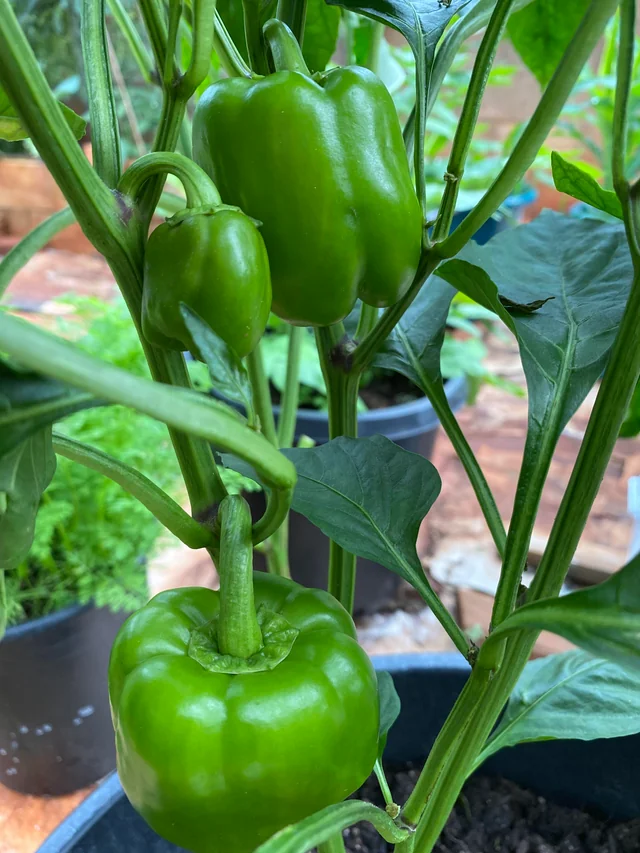
Bell peppers, also known as sweet peppers or capsicums, are a vibrant and versatile addition to any home garden. Available in shades of green, red, yellow, orange, and even purple, these colorful vegetables add crunch and sweetness to countless dishes. Beyond their culinary value, bell peppers are packed with vitamins A and C, making them a healthy choice for the dinner table.
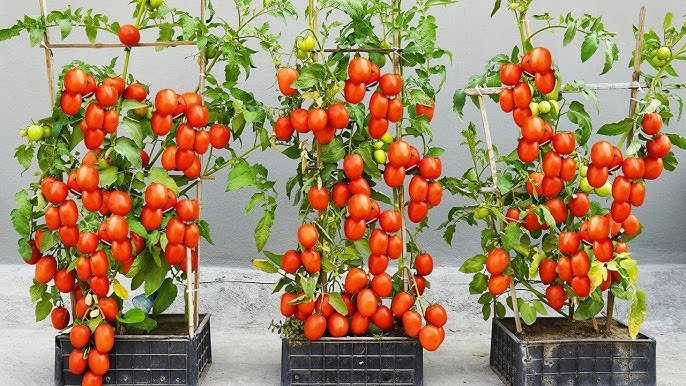
While they are slightly more demanding than some other garden vegetables, with the right care and patience, you can successfully grow bell peppers at home—whether in the ground, raised beds, or containers. This step-by-step guide will take you through everything you need to know about growing bell peppers, from seed to harvest.


Why Grow Bell Peppers at Home?

Before diving into the steps, here are a few reasons why bell peppers are worth the effort:

  • Flavor & Freshness: Homegrown peppers are crisper and more flavorful than store-bought ones.
  • Variety: You can grow unique colors and heirloom types not always available in supermarkets.
  • Health Benefits: Bell peppers are rich in vitamin C, antioxidants, and fiber.
  • Cost-Effective: One healthy plant can produce several peppers throughout the season.
  • Fun to Grow: Watching peppers change color as they ripen is rewarding and beautiful.

Step 1: Choose the Right Variety

Bell peppers come in a range of shapes, sizes, and colors. Choosing the right variety depends on your climate, taste preferences, and garden space.

  • Green Bell Peppers: Harvested early, crisp, slightly bitter.
  • Red, Yellow, and Orange Peppers: Sweeter and higher in vitamins as they ripen.
  • Purple or Chocolate Varieties: Unique colors with mild flavors, great for adding visual appeal.
  • Mini Bell Peppers: Small, sweet, and perfect for container gardening.

Pro Tip: Look for disease-resistant varieties like ‘California Wonder,’ ‘Big Bertha,’ or ‘King Arthur’ for a reliable harvest.


Step 2: Decide Between Seeds or Seedlings

  • Seeds: Start indoors 8–10 weeks before the last frost date. This gives peppers the long warm season they need.
  • Seedlings/Transplants: Easier and quicker for beginners; available at nurseries in spring.

If you want maximum control and variety, start from seeds. If you’re short on time, seedlings are the best option.


Step 3: Prepare the Growing Environment

Bell peppers thrive in warm, sunny conditions and well-drained soil.

  • Sunlight: At least 6–8 hours of direct sun daily.
  • Soil: Loose, fertile, and rich in organic matter. Sandy loam or loamy soils are ideal.
  • pH Level: Slightly acidic to neutral (6.2–7.0).
  • Temperature: Bell peppers prefer warm weather (70–85°F / 21–29°C). They do not tolerate frost.

Step 4: Start Seeds Indoors (if applicable)

If starting from seed, follow these steps:

  1. Timing: Begin seeds indoors 8–10 weeks before the last frost.
  2. Containers: Use seed trays or small pots filled with seed-starting mix.
  3. Planting Depth: Sow seeds ¼ inch deep and cover lightly with soil.
  4. Watering: Keep the soil moist but not waterlogged.
  5. Warmth: Maintain soil temperature around 75–80°F (use a heating mat if necessary).
  6. Light: Provide 12–16 hours of grow light daily or place near a bright window.

Seedlings should emerge within 7–14 days.


Step 5: Transplanting Outdoors

Once seedlings are 6–8 inches tall and have 2–4 sets of true leaves, they are ready for transplanting.

Hardening Off

Before planting outdoors, gradually acclimate seedlings to outdoor conditions by placing them outside for a few hours a day over 7–10 days.

Planting in the Garden

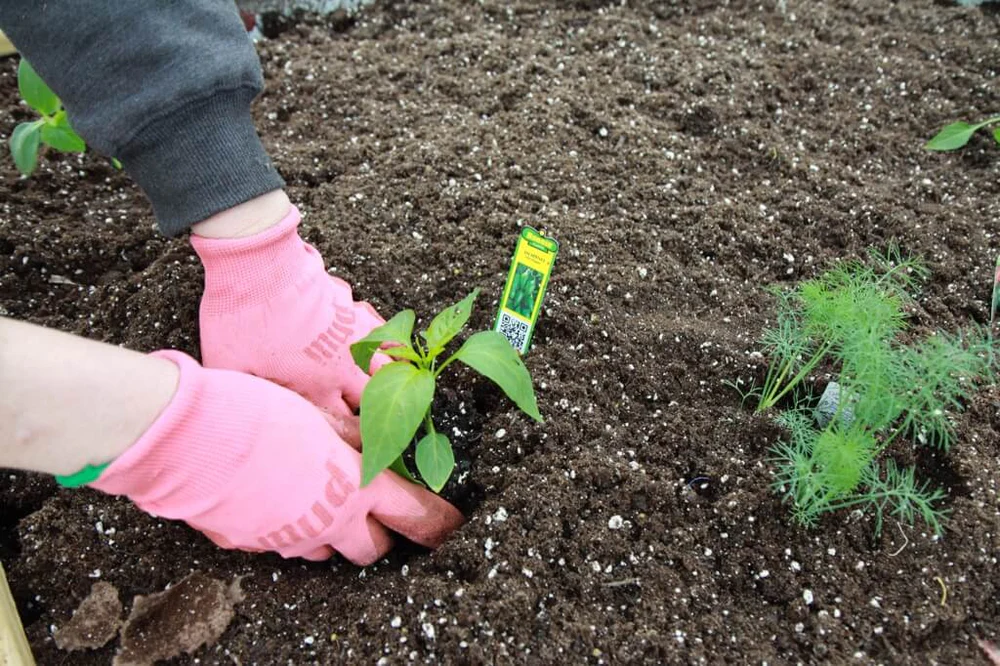
  • Wait until nighttime temperatures are consistently above 55°F (13°C).
  • Space plants 18–24 inches apart in rows 24–36 inches apart.
  • Bury them slightly deeper than they were in their pots for better root development.
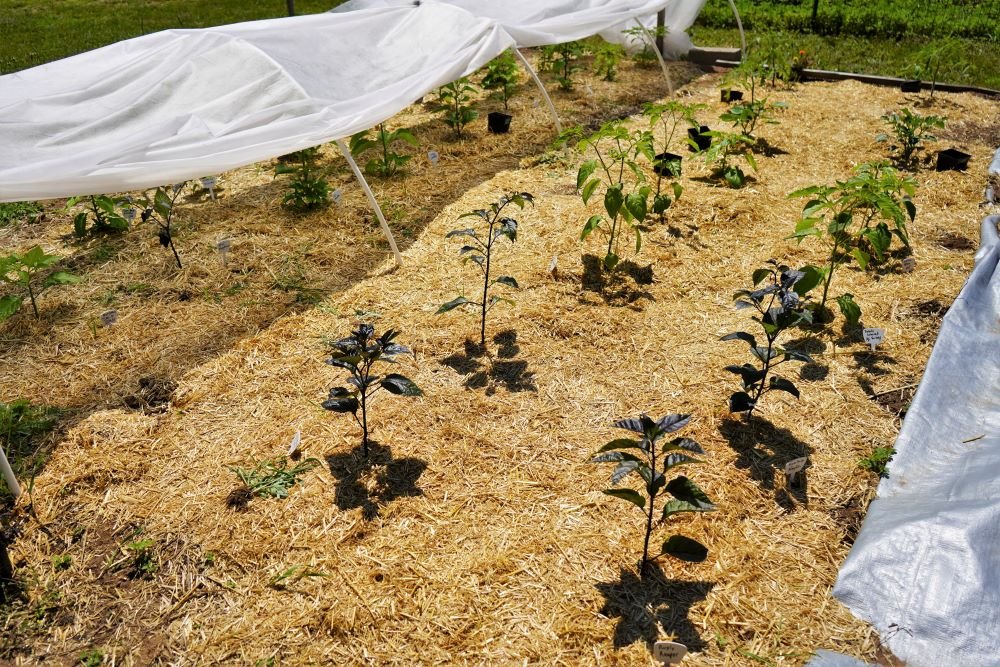
  • Mulch around the base with straw or compost to retain moisture and suppress weeds.

Step 6: Watering and Feeding

Bell peppers are sensitive to both under- and overwatering.

  • Watering: Provide 1–2 inches of water per week. Keep the soil evenly moist but never soggy. Water at the base, not overhead, to avoid fungal diseases.
  • Mulching: Helps maintain soil moisture and regulate temperature.
  • Fertilizing:
    • Mix compost or organic matter into the soil before planting.
    • Side-dress with compost tea or balanced fertilizer every 3–4 weeks.
    • Avoid excessive nitrogen, which leads to leafy growth with fewer fruits.

Step 7: Supporting Bell Pepper Plants

As peppers grow heavier with fruit, they may need support.

  • Use small stakes or tomato cages to prevent stems from breaking.
  • Tie stems gently with soft twine or plant clips.

Step 8: Managing Pests and Diseases

Bell peppers are prone to certain pests and diseases, but preventive care keeps them healthy.

Common Pests

  • Aphids: Suck sap from leaves, causing curling.
  • Cutworms: Chew seedlings at the base.
  • Spider Mites: Create fine webs and cause leaf yellowing.
  • Pepper Maggots: Damage fruit.

Solutions: Neem oil, insecticidal soap, or introducing beneficial insects like ladybugs.

Common Diseases

  • Blossom End Rot: Caused by calcium deficiency and uneven watering.
  • Powdery Mildew: White fungal coating on leaves.
  • Bacterial Leaf Spot: Small dark spots on leaves and fruit.

Prevention Tips:

  • Rotate crops annually.
  • Ensure proper spacing for airflow.
  • Avoid overhead watering.
  • Remove and destroy affected plants.

Step 9: Flowering and Pollination

Bell peppers produce small white flowers before fruiting. They are self-pollinating, but pollination improves with bee activity or gentle shaking of the plant.

Tip: In hot weather above 90°F (32°C), flowers may drop. Provide shade cloth during extreme heat to protect plants.


Step 10: Harvesting Bell Peppers

Bell peppers are ready to harvest in 60–90 days after transplanting, depending on the variety.

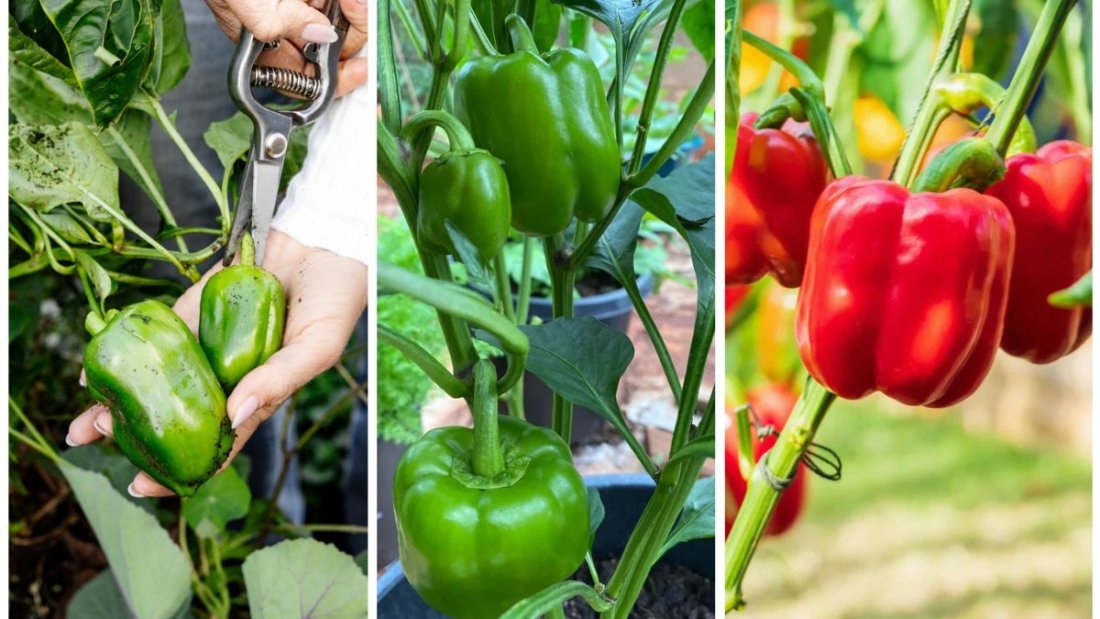
  • Green Peppers: Can be harvested when they reach full size, typically firm and glossy.
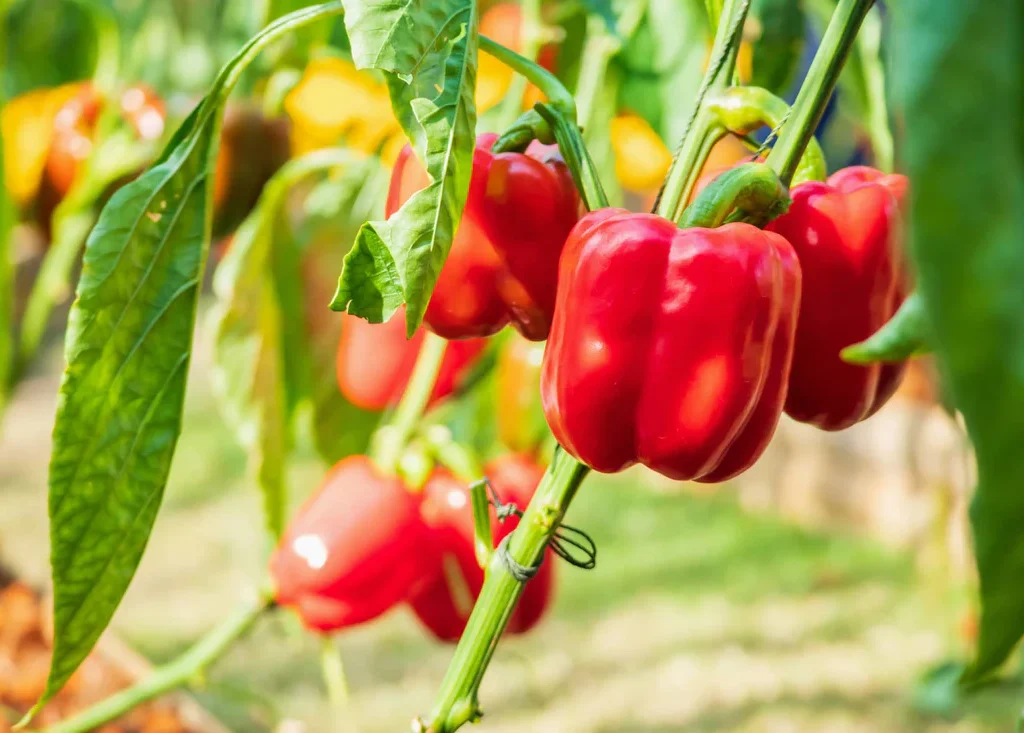
  • Colored Peppers: Leave peppers on the plant longer until they ripen into red, yellow, or orange. These are sweeter and more nutritious.

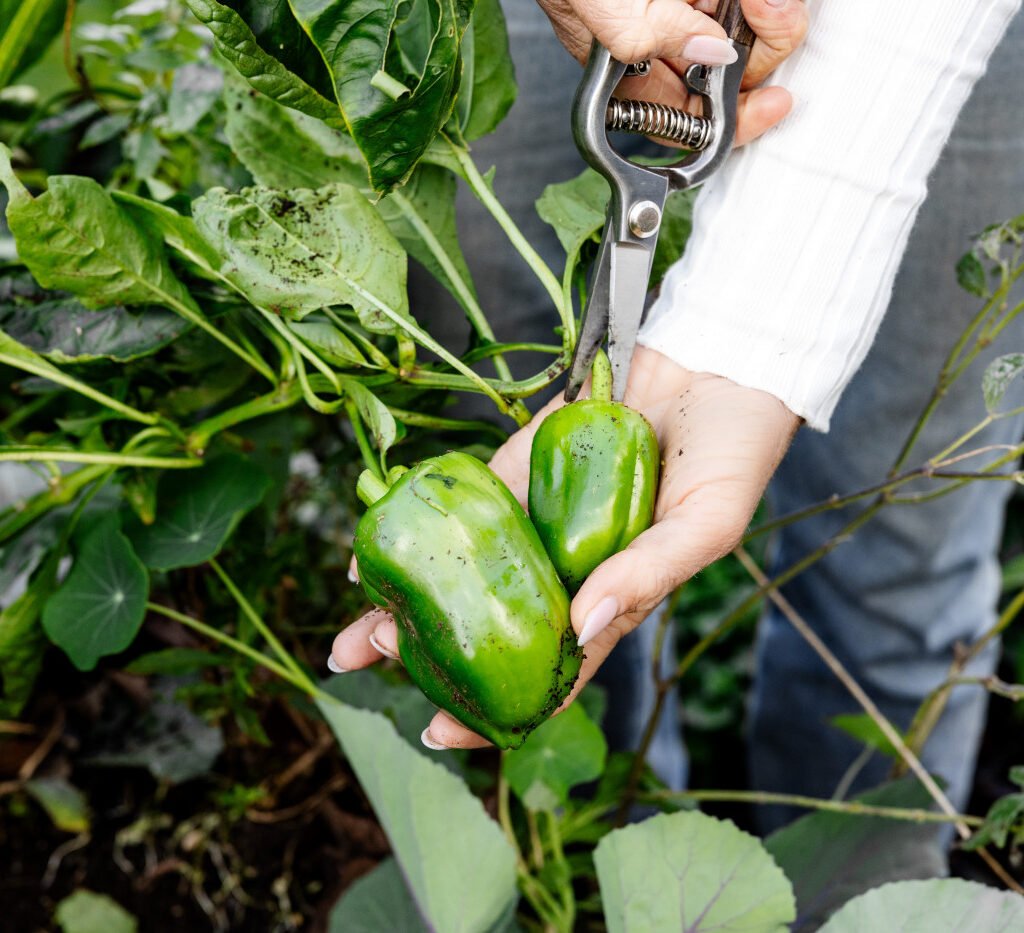
Harvesting Method: Use scissors or pruning shears to cut peppers from the plant, leaving a small stem attached. Pulling by hand may damage the plant.


Step 11: Post-Harvest Storage

  • Store freshly harvested bell peppers in the refrigerator for up to 1–2 weeks.
  • For long-term storage:
    • Freeze: Slice and store in airtight bags.
    • Dry: Dehydrate slices for use in soups and sauces.
    • Pickle: Preserve in vinegar brines.

Growing Bell Peppers in Containers

Even if you lack garden space, bell peppers grow wonderfully in pots.

  • Choose containers at least 12 inches deep with good drainage.
  • Use a high-quality potting mix enriched with compost.
  • Place containers in full sun and water consistently.
  • Fertilize every 2–3 weeks with a balanced liquid fertilizer.

Container-grown peppers often mature faster due to the warmer soil.


Common Mistakes to Avoid

  • Planting too early: Bell peppers dislike cold soil and will struggle.
  • Overfertilizing with nitrogen: Leads to big leafy plants but little fruit.
  • Inconsistent watering: Causes blossom end rot and misshapen fruits.
  • Poor spacing: Increases risk of disease due to lack of airflow.

Final Thoughts

Growing bell peppers at home is both fun and rewarding. While they require a bit more attention than some garden vegetables, the payoff is worth it when you harvest crisp, colorful, and flavorful peppers. By carefully selecting varieties, preparing soil, and following these step-by-step practices, you’ll be well on your way to enjoying a bountiful harvest.

Whether you enjoy them raw in salads, grilled on the barbecue, or stuffed and baked, homegrown bell peppers add freshness and nutrition to your meals. Start small, nurture your plants, and with time, you’ll master the art of growing bell peppers right in your backyard or balcony.

Why Your Potted Plants Keep Drying Out Too Fast

Why Your Potted Plants Keep Drying Out Too Fast

If you’ve ever nurtured a potted plant only to find it wilting and parched in just a few days — sometimes even hours — you’re not alone. Many indoor and balcony gardeners struggle with potted plants drying out too quickly, despite regular watering. This seemingly simple issue often stems from a combination of hidden factors that go beyond just soil and sunshine.
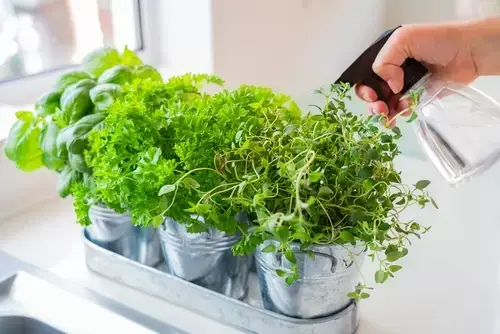
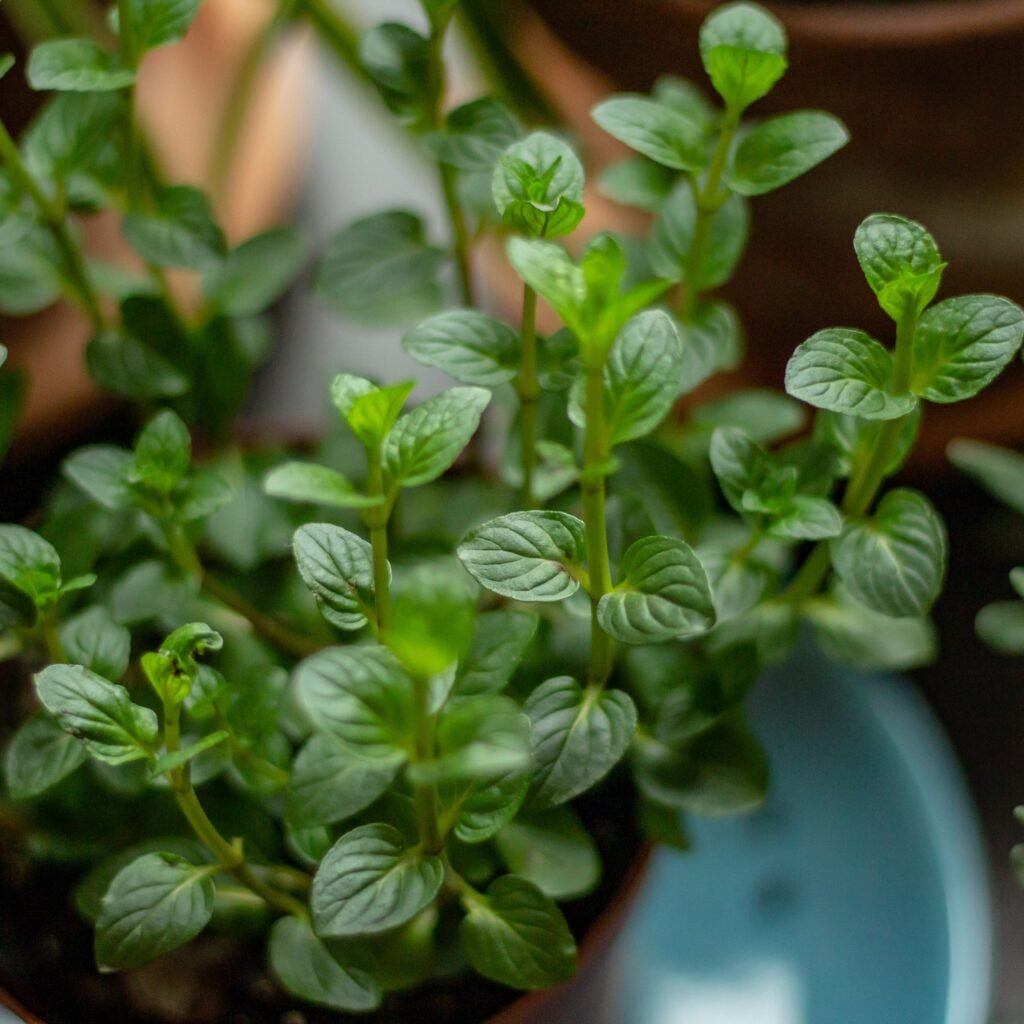
In this article, we’ll break down the top reasons your potted plants are drying out too fast, the science behind moisture loss, and what you can do to fix it. Whether you’re growing succulents or tropical foliage, understanding water retention and soil health is crucial to a thriving container garden.


1. Poor Soil Composition

The foundation of any potted plant is its soil. Unfortunately, many store-bought potting mixes are either too coarse or too light, causing water to drain quickly and leaving roots dry.

Common Issues:

  • Too much sand or perlite in the mix increases drainage, reducing water retention.
  • Peat moss-based mixes, while initially great at holding water, can become hydrophobic (repelling water) when they dry out completely.
  • Coconut coir, although more sustainable than peat, can also lose its moisture-retention capacity over time if not managed correctly.

Solution:

  • Use a high-quality, organic potting mix tailored to your plant type.
  • Consider adding vermiculite or water-retaining crystals to enhance water retention.
  • For DIY mixes, a ratio of 2 parts compost, 1 part peat/coir, and 1 part perlite/vermiculite works well for most houseplants.

2. Wrong Pot Size or Material

You might not think much about the pot itself, but it plays a critical role in how fast soil dries.

Pot Size:

  • Small pots dry out faster because they hold less soil and, consequently, less water.
  • Roots in cramped containers absorb water quickly, leaving the soil dry again within hours.

Pot Material:

  • Terracotta and unglazed clay pots are porous. They allow moisture to escape through the sides, which is great for preventing root rot but leads to quicker drying.
  • Plastic or glazed ceramic pots retain moisture much better due to their non-porous nature.

Solution:

  • Choose a pot that allows for root expansion — typically, one size up from your current root ball.
  • If using terracotta, line it with a plastic nursery pot or water more frequently.

3. Excessive Heat or Sun Exposure

Just like you wouldn’t leave your phone baking in the sun, your potted plants also suffer under excessive heat.

Causes:

  • South-facing windows or balconies can receive intense afternoon sun, rapidly heating pots and evaporating moisture.
  • Dark-colored containers absorb and retain more heat, worsening evaporation.
  • Indoor heating systems in winter can also contribute to faster drying of indoor plants.

Solution:

  • Move plants to indirect light or provide shade during the hottest part of the day.
  • Use mulch (e.g., bark chips or moss) on top of the soil to reduce evaporation.
  • Opt for light-colored pots in sunny spots.

4. Underlying Root Problems

Sometimes, the issue isn’t how fast the soil is drying — it’s that the plant can’t absorb the water that’s there.

Common root issues:

  • Root-bound plants have no room to grow and can’t absorb moisture efficiently.
  • Damaged or rotting roots from overwatering in the past can reduce uptake.
  • Salt buildup from fertilizers can create a water-resistant barrier around roots.

Solution:

  • Check for root-bound signs: roots poking from drainage holes or circling the pot.
  • Repot annually or as needed, pruning dead roots.
  • Flush the soil with clean water every few months to remove salts.

5. Lack of Mulching or Top Cover

While mulching is common in outdoor gardens, it’s often neglected in container gardening.

Why it’s important:

  • A bare soil surface allows for direct evaporation under sunlight or warm indoor conditions.
  • Mulching helps regulate temperature, suppress weed growth, and retain moisture.

Effective mulch options for pots:

  • Bark chips
  • Coconut husk
  • Pebbles or gravel
  • Decorative moss

Tip:

Ensure mulch is breathable and not piled too thickly, which could trap moisture against stems and cause rot.


6. Inconsistent or Improper Watering Habits

Ironically, trying to be “just right” with watering often leads to problems.

Common mistakes:

  • Watering too lightly, just moistening the topsoil.
  • Letting plants dry out completely, then flooding them.
  • Using cold water, which can shock the roots.

Better Practices:

  • Water thoroughly until water runs out the drainage holes, ensuring deep root hydration.
  • Use room-temperature water to avoid shocking the roots.
  • Establish a routine — watering schedules can vary by season, so adapt as needed.

7. Drainage Hole Drama

Drainage is essential to prevent waterlogging — but ironically, too much drainage can also dry plants out too fast.

Scenario:

  • Excess water runs straight out of the pot, especially with dry or compacted soil.
  • This gives the illusion of well-watered soil, while roots stay thirsty.

Solution:

  • Before watering, aerate the soil with a chopstick to break compaction.
  • Let water sit in a saucer for 10–15 minutes after watering, then discard any excess.

8. Environmental Factors You Didn’t Consider

Your local climate or indoor environment also impacts how quickly water evaporates from pots.

Factors include:

  • Low humidity — common in winter or air-conditioned rooms — accelerates moisture loss.
  • High wind or fans can dry soil and foliage alike.
  • Altitude and indoor airflow affect evaporation rates.

Solution:

  • Use a humidifier or place water trays near plants to increase ambient humidity.
  • Move plants away from direct airflow, heaters, or windows in cold months.

How to Tell If Your Plant Is Actually Thirsty

Sometimes, leaves wilt or droop not from lack of water, but from overwatering, stress, or shock.

Signs of true dryness:

  • Soil pulls away from the pot’s edge.
  • The pot feels noticeably light.
  • Leaves become crispy and dry at the edges.

Use a moisture meter, finger test (2 inches deep), or weigh the pot to check moisture levels.


Final Thoughts: Tailor Care to the Plant

Every plant is different. Succulents thrive in fast-drying soil, while ferns and calatheas need consistently moist conditions. Instead of following a one-size-fits-all rule, observe how your specific plant reacts over time.

Quick Checklist:

IssueFix
Soil dries too fastAmend mix with compost or vermiculite
Terracotta potsSwitch to plastic or glaze-sealed pots
Hot sunny locationProvide shade or move to indirect light
Small pot sizeRepot into a larger container
No mulchAdd top cover to reduce evaporation
Compacted soilAerate and water deeply

Conclusion

When your potted plants dry out too fast, it’s often not due to one single issue but a combination of soil, pot type, location, and care routines. By understanding the science behind water retention and adjusting your approach, you can give your plants the consistent hydration they need — without the stress of constantly reviving wilted leaves.

Healthy container gardening is all about balance and observation. Once you get to know your plant’s rhythm and environment, keeping them thriving becomes second nature.

How to Grow Garlic at Home for Fresh Flavor

How to Grow Garlic at Home for Fresh Flavor

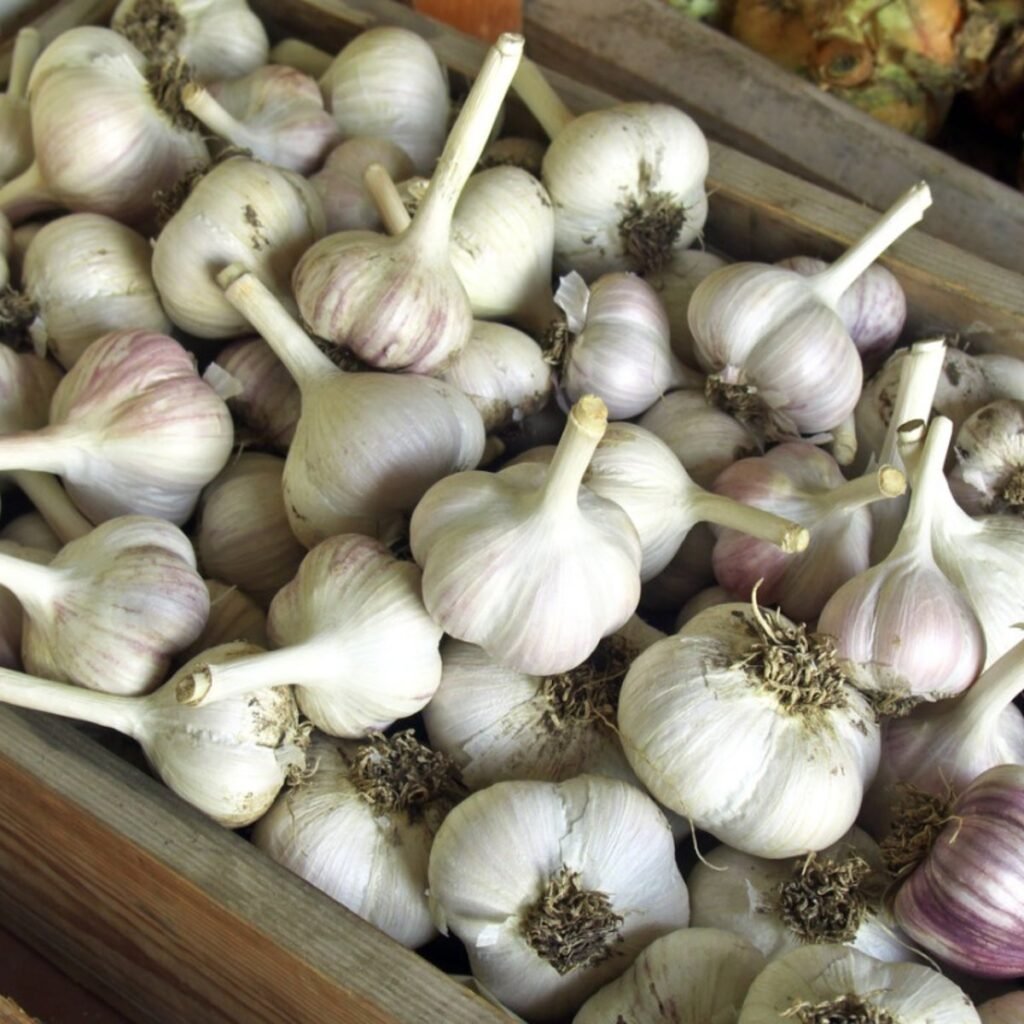
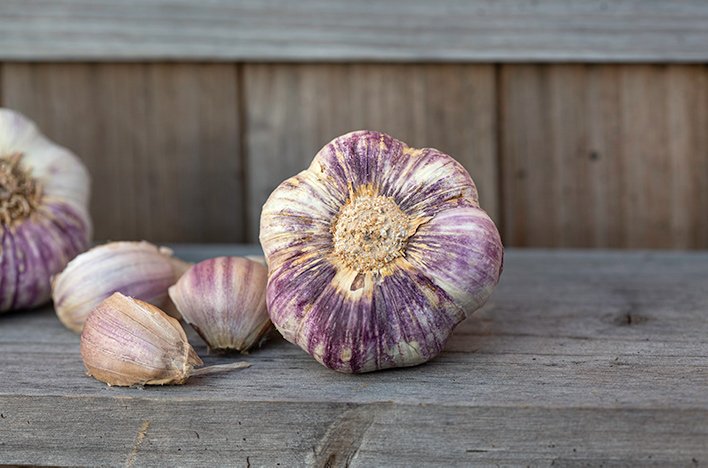
Garlic is one of the most beloved kitchen staples, known for adding bold flavor and aroma to countless dishes. Beyond its culinary uses, garlic also carries significant health benefits, from boosting immunity to supporting heart health. While store-bought garlic is convenient, nothing compares to the freshness, flavor, and satisfaction of harvesting your own cloves. Fortunately, garlic is one of the easiest crops to grow at home, whether you have a backyard garden, raised bed, or even just a few containers.

This comprehensive guide will walk you through everything you need to know about growing garlic at home—from choosing the right variety to planting, caring, and harvesting—so you can enjoy fresh, flavorful bulbs straight from your garden.


Why Grow Garlic at Home?

Before diving into the how-to, let’s look at why growing garlic is such a rewarding choice:

  • Freshness & Flavor: Homegrown garlic has a stronger, richer taste compared to most store-bought options.
  • Cost-Effective: Planting a handful of cloves can yield pounds of garlic for the price of one bulb.
  • Low Maintenance: Garlic is hardy, requires minimal care, and thrives in many climates.
  • Health Benefits: Garlic is packed with antioxidants, anti-inflammatory properties, and compounds like allicin that support overall wellness.
  • Storage Friendly: When cured properly, garlic can last for months, giving you a year-round supply.

Choosing the Right Garlic Variety

There are two main types of garlic, and choosing the right one will depend on your climate and preferences:

  1. Hardneck Garlic
    • Produces a stiff flowering stalk called a scape.
    • Has fewer but larger cloves.
    • Stronger, spicier flavor.
    • Best for colder climates, as it tolerates frost well.
    • Shorter storage life (3–5 months).
  2. Softneck Garlic
    • No scape, but produces many small cloves.
    • Milder in flavor.
    • Stores longer (6–9 months).
    • Ideal for warmer climates.
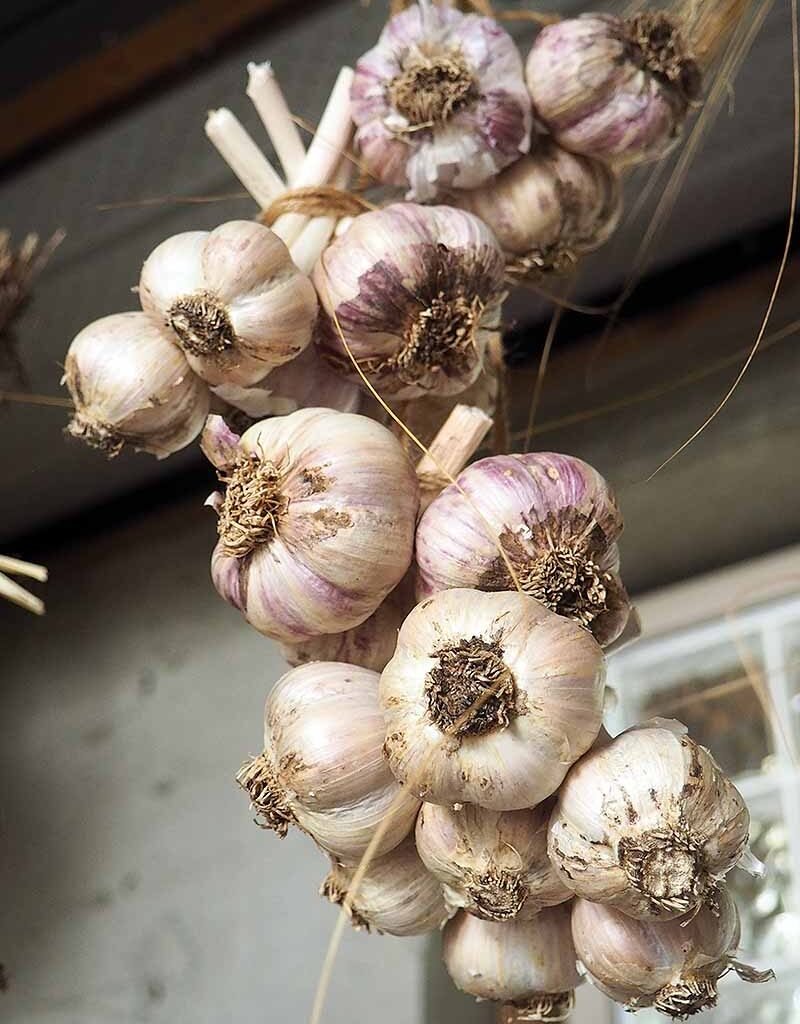
    • Often used for braiding garlic strings.

Pro Tip: Buy seed garlic from a nursery or online supplier instead of using supermarket garlic, as store-bought bulbs are often treated with chemicals to prevent sprouting.


When and Where to Plant Garlic

Best Time to Plant Garlic

  • Fall Planting (Most Common): Plant garlic 4–6 weeks before the first hard frost in your area. The cloves will establish roots before winter and then go dormant until spring. This results in larger bulbs.
  • Spring Planting: Garlic can also be planted in early spring as soon as the soil is workable, though bulbs may be smaller.

Ideal Growing Conditions

  • Sunlight: Garlic thrives in full sun (6–8 hours of direct sunlight daily).
  • Soil: Loose, well-drained soil rich in organic matter is best. Avoid clay-heavy soils that hold water.
  • pH Level: Garlic prefers slightly acidic to neutral soil (pH 6.0–7.0).

How to Plant Garlic

  1. Prepare the Soil
    • Loosen soil at least 8 inches deep.
    • Mix in compost or aged manure to improve fertility and drainage.
  2. Separate the Cloves
    • Break apart the garlic bulb into individual cloves just before planting.
    • Keep the papery skins intact, as they protect the cloves.
  3. Planting Depth and Spacing
    • Plant each clove 2 inches deep with the pointed end facing upward.
    • Space cloves 4–6 inches apart in rows 12 inches apart.
  4. Watering After Planting
    • Water the soil thoroughly after planting to help establish roots.
  5. Mulching
    • Apply a thick layer (3–4 inches) of straw, leaves, or grass clippings.
    • Mulch protects garlic from winter cold and suppresses weeds.

Caring for Garlic Plants

Garlic is relatively easy to maintain, but a few care tips can help maximize your harvest.

1. Watering

  • Garlic needs about 1 inch of water per week during the growing season.
  • Reduce watering once the leaves begin to yellow, about 2–3 weeks before harvest, to prevent bulb rot.

2. Fertilizing

  • Apply a balanced fertilizer or compost tea in early spring to encourage growth.
  • Garlic benefits from nitrogen, especially in its early stages.

3. Weeding

  • Keep the area weed-free, as weeds compete for nutrients and water.
  • Be careful not to disturb garlic’s shallow roots while weeding.

4. Scape Removal (For Hardneck Garlic)

  • When garlic scapes (flower stalks) appear in late spring, cut them off.
  • This redirects energy to the bulb, resulting in larger cloves.
  • Bonus: Scapes are edible and delicious sautéed or used in pesto.

Pests and Diseases

While garlic is naturally pest-resistant, it’s still vulnerable to a few problems:

  • Pests: Onion thrips, nematodes, and bulb mites may occasionally attack garlic.
  • Diseases: White rot and rust can occur if soil is poorly drained or overcrowded.
  • Prevention Tips:
    • Rotate crops—avoid planting garlic in the same spot for at least 3 years.
    • Ensure good air circulation.
    • Plant disease-free seed garlic.

Harvesting Garlic

When to Harvest

Garlic is typically ready for harvest in mid-to-late summer (July–August). Signs include:

  • Lower leaves turning brown while the top leaves remain green.
  • Bulbs feeling plump when gently dug up.

How to Harvest

  • Loosen the soil with a garden fork, then gently lift bulbs out.
  • Avoid pulling by the stem, as this may damage the bulbs.

Curing and Storing Garlic

Curing Garlic

  • After harvesting, brush off excess soil but don’t wash the bulbs.
  • Lay garlic in a dry, well-ventilated area (like a shed or porch) for 2–4 weeks.
  • Keep out of direct sunlight.

Storing Garlic

  • Once cured, trim roots and cut stalks to about 1 inch (or braid softneck varieties).
  • Store garlic in a cool, dark, and dry place. Mesh bags or baskets work best.
  • Properly cured garlic lasts 3–9 months, depending on the variety.

Growing Garlic in Containers

If you don’t have garden space, garlic grows well in pots or raised beds:

  • Use containers at least 12 inches deep with drainage holes.
  • Plant cloves 4–6 inches apart.
  • Ensure soil is loose and well-drained.
  • Place pots in a sunny spot and water regularly.

Common Mistakes to Avoid

  • Planting supermarket garlic: It may not sprout or could spread disease.
  • Overwatering: Leads to rot, especially close to harvest.
  • Planting too shallow: Garlic needs depth to grow large bulbs.
  • Harvesting too early: Immature bulbs won’t store well.

Final Thoughts

Growing garlic at home is simple, rewarding, and brings fresh flavor to your kitchen year-round. Whether you have a backyard garden or just a patio with containers, garlic adapts well with minimal effort. With proper planting, care, and curing, you’ll enjoy plump, aromatic bulbs that elevate every meal. Plus, you’ll gain the satisfaction of knowing your garlic is free from chemicals and grown with love.

Start with just a few cloves, and soon you’ll be harvesting enough garlic to last for months. Once you taste the difference of homegrown garlic, you’ll never want to go back to store-bought again.

How To Grow Tomatoes In Containers Successfully

How To Grow Tomatoes In Containers Successfully

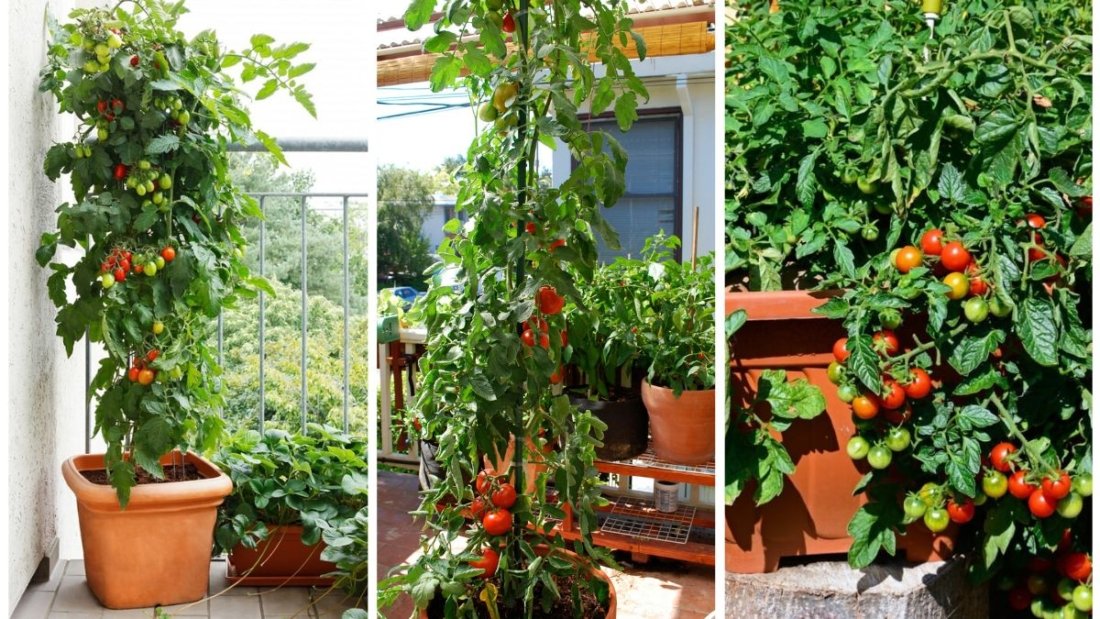
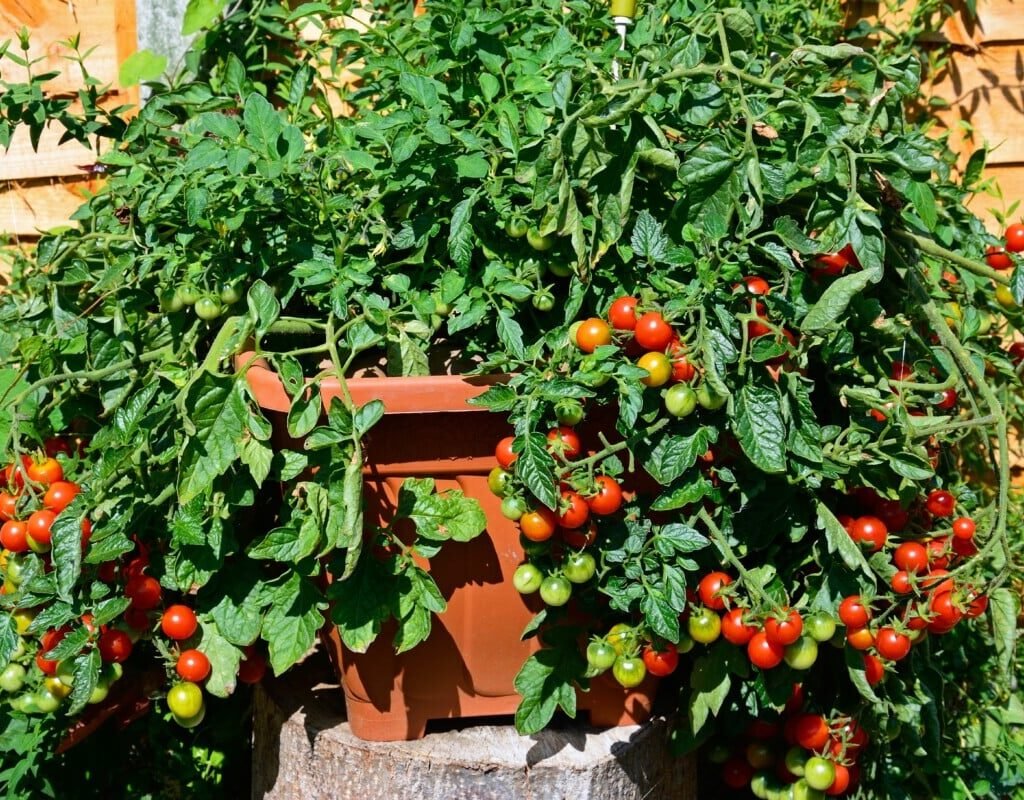
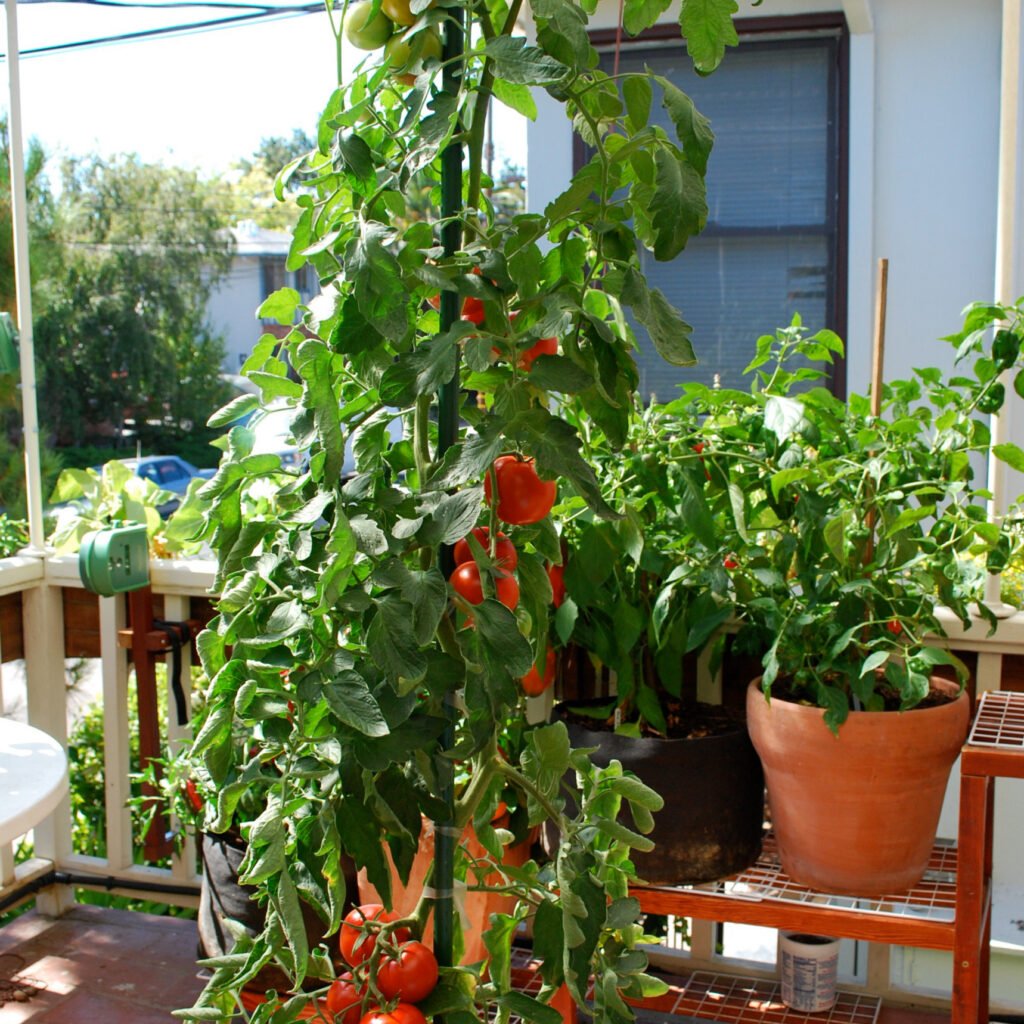
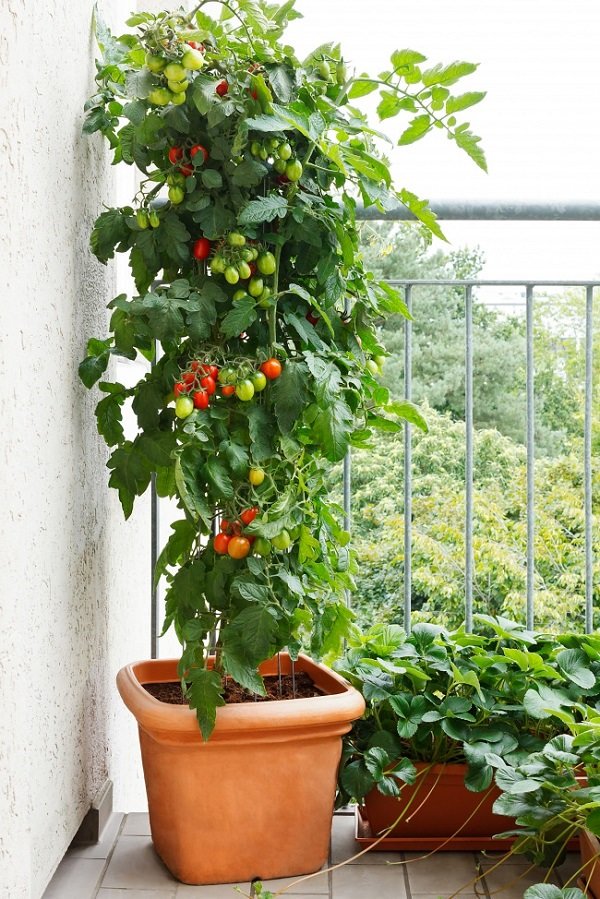
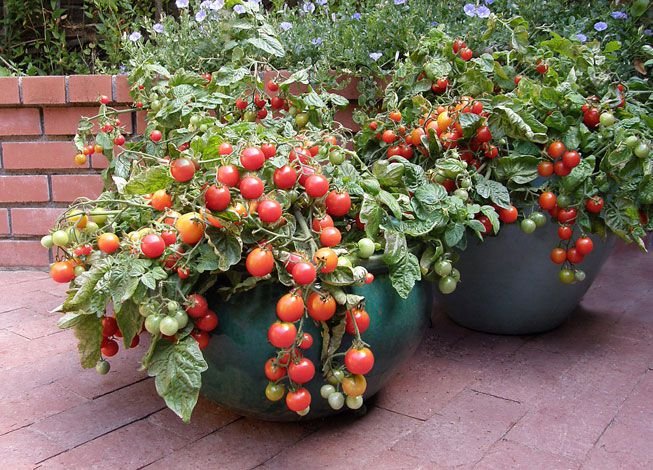
There’s nothing quite like the taste of a homegrown tomato—sweet, juicy, and packed with flavor. Fortunately, you don’t need a large backyard or raised garden beds to enjoy fresh tomatoes. With the right setup and care, tomatoes can thrive in containers, making them a top choice for urban gardeners, balcony growers, and anyone with limited space.

However, growing tomatoes in containers isn’t as simple as just dropping a seed into a pot. It requires attention to the right varieties, container sizes, soil, sunlight, and maintenance. When done right, your container tomatoes can be just as productive—if not more so—than their in-ground counterparts.

In this guide, you’ll learn everything you need to know to grow tomatoes in containers successfully, from choosing the best varieties to harvesting plump, ripe fruit.


1. Choosing the Right Tomato Variety

Tomatoes come in hundreds of varieties, but not all are suitable for container growing. When space is limited, the type of tomato you grow plays a crucial role.

A. Determinate vs. Indeterminate

  • Determinate (Bush) Tomatoes
    • Grow to a compact height (2–4 feet)
    • Produce all their fruit at once
    • Ideal for containers due to their manageable size
    • Examples: Roma, Patio Princess, Celebrity, Bush Early Girl
  • Indeterminate (Vining) Tomatoes
    • Grow continuously and can reach 6–10 feet
    • Produce fruit all season
    • Require large containers, strong supports, and regular pruning
    • Examples: Sungold, Beefsteak, Cherokee Purple, Brandywine

B. Cherry and Patio Varieties

  • Cherry tomatoes like Tiny Tim, Balcony, and Tumbling Tom are great for small pots or hanging baskets.
  • Dwarf and patio types are specifically bred for small spaces.

Pro Tip: For beginners, start with a determinate cherry tomato for a compact, reliable crop.


2. Selecting the Best Container

Tomatoes are heavy feeders with deep root systems, so container size matters.

A. Minimum Container Sizes

  • Determinate varieties: At least 5 gallons (18 inches deep and wide)
  • Indeterminate varieties: Minimum 10–15 gallons or half-barrel size
  • Cherry or patio tomatoes: Can thrive in 3–5 gallons

B. Best Materials

  • Plastic or resin pots: Lightweight, retain moisture, inexpensive
  • Terra cotta: Breathable but dries out quickly
  • Fabric grow bags: Excellent drainage and air pruning of roots
  • Self-watering containers: Great for consistent moisture, especially in hot climates

Make sure your container has drainage holes to prevent root rot.


3. The Ideal Soil Mix for Tomatoes in Containers

Container soil is the foundation of tomato success. Regular garden soil is too dense for pots.

Best Soil Mix Recipe (for 10 gallons):

  • 4 gallons high-quality potting mix
  • 3 gallons compost or worm castings
  • 2 gallons coconut coir or peat moss
  • 1 gallon perlite or vermiculite (for drainage)

Amend with:

  • 1 cup organic tomato fertilizer
  • ½ cup crushed eggshells (for calcium)
  • Optional: ½ cup kelp meal or bone meal

Tomatoes prefer slightly acidic to neutral pH (6.0–7.0).


4. Planting Tomatoes in Containers

A. When to Plant

  • Wait until night temperatures stay above 50°F (10°C).
  • In cooler climates, start seeds indoors or buy nursery transplants.

B. How to Plant

  • Remove lower leaves from the seedling
  • Plant deeply—bury ⅔ of the stem to encourage strong root development
  • Water well after planting

5. Providing Adequate Sunlight and Heat

Tomatoes are sun-loving, heat-loving plants.

  • Aim for 6–8 hours of direct sunlight per day
  • In hot climates, provide afternoon shade or use light-colored containers to avoid overheating
  • Rotate pots every few days if sunlight is uneven

Full sun = more fruit production. No shortcuts here.


6. Watering: The Balancing Act

Water is critical, but overwatering is as dangerous as underwatering.

Tips for Proper Watering:

  • Water deeply and consistently
  • Use the finger test: If the top inch is dry, it’s time to water
  • In hot weather, you may need to water daily
  • Avoid getting water on the leaves to prevent disease

Best Practice:

  • Use mulch (straw, shredded leaves) to retain moisture
  • Consider self-watering containers or drip irrigation systems

7. Supporting Your Tomato Plants

Even small varieties need support to stay upright and keep fruit off the ground.

Options:

  • Tomato cages: Ideal for determinate varieties
  • Stakes or trellises: Best for indeterminate types
  • Spirals or vertical towers: Space-saving and sturdy

Install support at planting time to avoid disturbing the roots later.


8. Fertilizing for Abundant Yields

Container tomatoes need regular feeding, as nutrients leach out with frequent watering.

Feeding Schedule:

  • At planting: Mix in slow-release organic fertilizer
  • Every 2 weeks: Use a balanced liquid fertilizer (e.g., 5-10-10 or 10-10-10)
  • After flowering: Switch to high-potassium fertilizer to encourage fruiting

Watch for signs of deficiency:

  • Yellowing leaves = nitrogen issue
  • Blossom end rot = calcium deficiency or inconsistent watering

9. Managing Pests and Diseases

Tomatoes in containers are less prone to soil-borne diseases but still need vigilance.

Common Issues:

ProblemSymptomsSolution
AphidsSticky leaves, curled stemsSpray with neem oil or insecticidal soap
BlightYellowing lower leaves, spotsRemove affected leaves, improve airflow
Blossom End RotBlack, sunken fruit endsMaintain consistent watering, add calcium
Tomato HornwormsChewed leaves, caterpillarsHandpick or use BT (Bacillus thuringiensis)

Clean containers between seasons and avoid overcrowding for disease prevention.


10. Harvesting and Enjoying Your Tomatoes

Tomatoes are ready to harvest when they are fully colored and slightly soft to the touch.

Tips for Best Flavor:

  • Pick in the morning for peak juiciness
  • Store at room temperature—not in the fridge
  • Use overripe tomatoes for sauces or canning

Frequent harvesting encourages more fruit production.


11. End-of-Season Care

Once the growing season ends:

  • Pull out the plants and dispose of diseased material
  • Refresh soil if reusing containers, or mix in fresh compost
  • Store clean, dry pots indoors to extend their lifespan

Save seeds from heirloom varieties for next season!


Conclusion

Growing tomatoes in containers may require more attention than planting them in the ground, but the rewards are equally rich—and often more convenient. With proper care, even a single potted tomato plant can provide pounds of fruit throughout the season.

From selecting the right variety to mastering watering and feeding, success lies in consistency, preparation, and observation. Whether you’re gardening on a high-rise balcony or a small patio, container tomatoes offer a delicious, rewarding, and space-smart way to enjoy homegrown food.

So roll up your sleeves, grab your pots and soil, and get ready to enjoy the taste of sunshine—homegrown and container-grown.

5 Best Herbs for Indoor Gardening

5 Best Herbs for Indoor Gardening

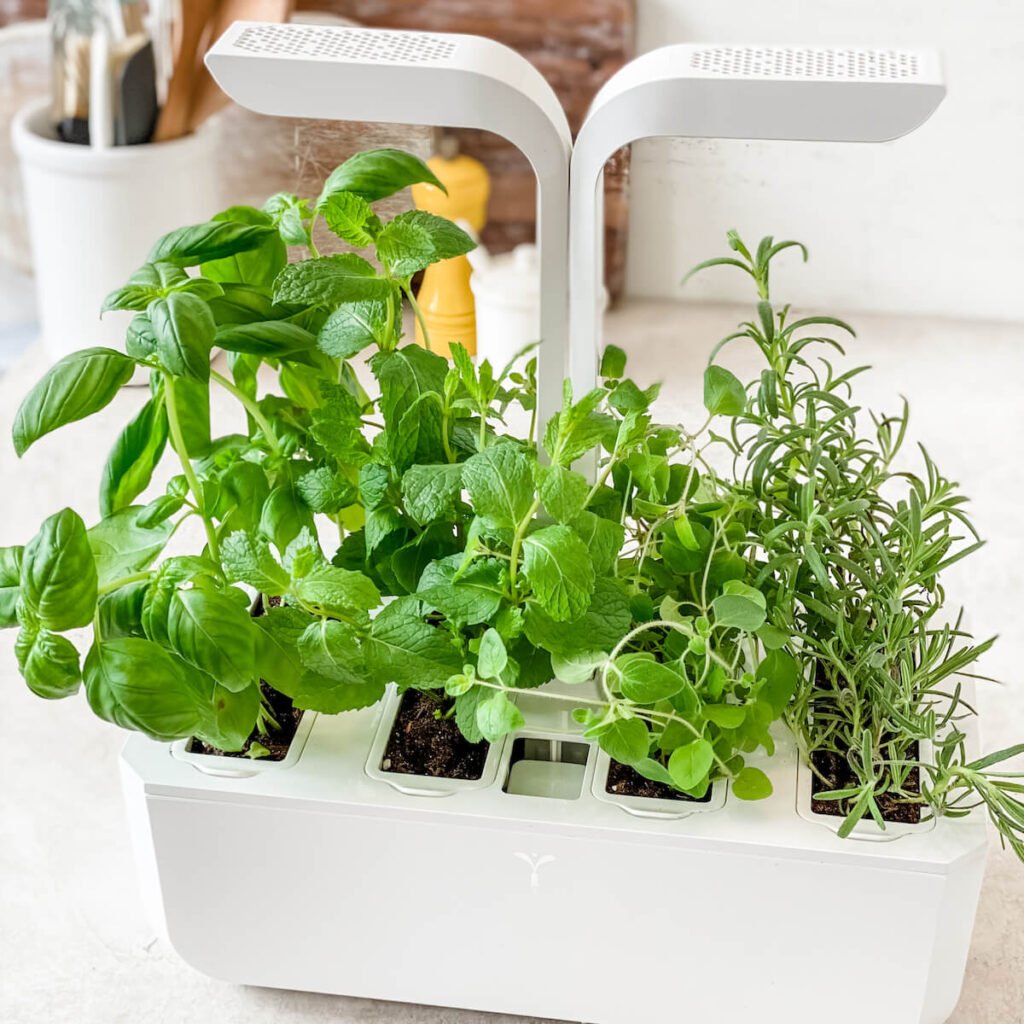
Indoor gardening has become increasingly popular in recent years, especially among those who love fresh ingredients but don’t have access to a large outdoor space. Herbs, in particular, are ideal for growing indoors. They’re compact, aromatic, and easy to maintain while providing a constant supply of flavor for your meals.

Growing herbs indoors not only ensures a steady source of fresh ingredients but also adds greenery and fragrance to your home, boosting both aesthetic appeal and air quality. But with so many herbs to choose from, which ones thrive best indoors?

In this guide, we’ll explore the 5 best herbs for indoor gardening, including how to grow, care for, and harvest them successfully.


Why Grow Herbs Indoors?

Before diving into the top herbs, it’s worth considering why indoor herb gardening is such a smart choice:

  • Convenience: Fresh herbs are always within reach, right in your kitchen.
  • Cost-effective: Growing your own herbs saves money compared to buying small store-bought packets.
  • Year-round harvest: Indoor gardening means you can enjoy herbs regardless of outdoor weather conditions.
  • Therapeutic benefits: Gardening reduces stress and brings a touch of nature indoors.
  • Compact growth: Many herbs require very little space, making them perfect for windowsills, countertops, or shelves.

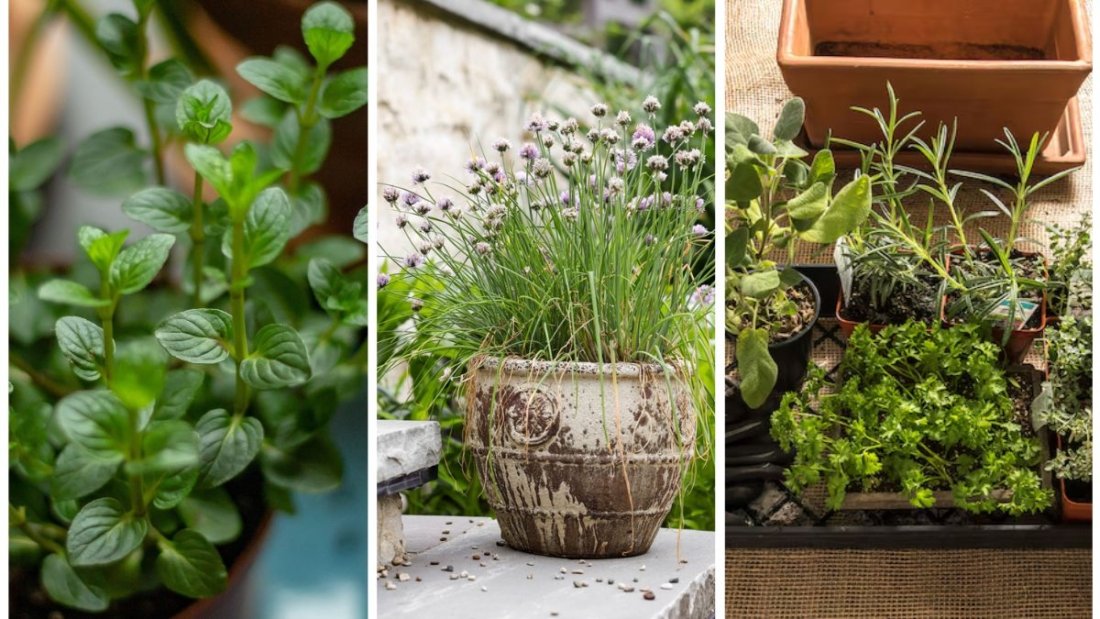
1. Basil (Ocimum basilicum)

Basil is one of the most beloved herbs for indoor gardening, especially because of its versatility in the kitchen. Known for its sweet, slightly peppery flavor, basil is a staple in Italian, Thai, and Mediterranean cuisine.

Growing Requirements

  • Light: Basil thrives in at least 6 hours of direct sunlight daily. A sunny south-facing window is ideal. If natural light is limited, use a grow light.
  • Soil: Use well-draining potting soil rich in organic matter.
  • Watering: Keep the soil consistently moist but not waterlogged. Basil doesn’t tolerate dryness well.
  • Temperature: Prefers warm conditions between 70–80°F (21–27°C). Avoid cold drafts.

Care Tips

  • Pinch off the top leaves regularly to encourage bushy growth.
  • Remove flower buds as soon as they appear to keep the plant focused on leaf production.
  • Repot if the plant outgrows its container.

Harvesting

Harvest leaves once the plant has at least 6–8 leaves. Always snip from the top to promote branching. Fresh basil can be used in pesto, pasta, salads, and soups.


2. Mint (Mentha spp.)

Mint is another fantastic herb to grow indoors. Its refreshing flavor makes it perfect for teas, desserts, and cocktails. Mint is also hardy and forgiving, making it great for beginners.

Growing Requirements

  • Light: Mint tolerates partial sunlight but prefers 4–6 hours of bright, indirect light.
  • Soil: Use a standard potting mix with good drainage.
  • Watering: Keep the soil consistently moist but never soggy. Mint loves humidity.
  • Temperature: Grows best between 60–75°F (15–24°C).

Care Tips

  • Mint spreads aggressively, so it’s best to grow it in a dedicated pot.
  • Rotate the pot weekly to ensure even light exposure.
  • Mist leaves occasionally to increase humidity indoors.

Harvesting

Harvest leaves frequently by pinching them off the stems. Regular harvesting encourages new growth. Use mint in teas, smoothies, sauces, or as a garnish for drinks and desserts.


3. Parsley (Petroselinum crispum)

Parsley is more than just a garnish—it’s a nutrient-rich herb that’s perfect for soups, salads, and sauces. It grows well indoors and provides a steady harvest if properly cared for.

Growing Requirements

  • Light: Parsley needs 6–8 hours of bright light daily. A sunny window or grow light is ideal.
  • Soil: Use nutrient-rich potting soil with good drainage.
  • Watering: Keep soil evenly moist. Parsley doesn’t tolerate dryness.
  • Temperature: Grows best in cooler indoor temperatures of 60–70°F (15–21°C).

Care Tips

  • Parsley grows slower than basil or mint, so be patient.
  • Fertilize every 4–6 weeks with a balanced liquid fertilizer to encourage healthy growth.
  • Snip older leaves at the base to make room for new ones.

Harvesting

Harvest parsley by cutting the outer stems at the base of the plant, leaving the inner stems to mature. Fresh parsley adds flavor to stews, sauces, and even green juices.


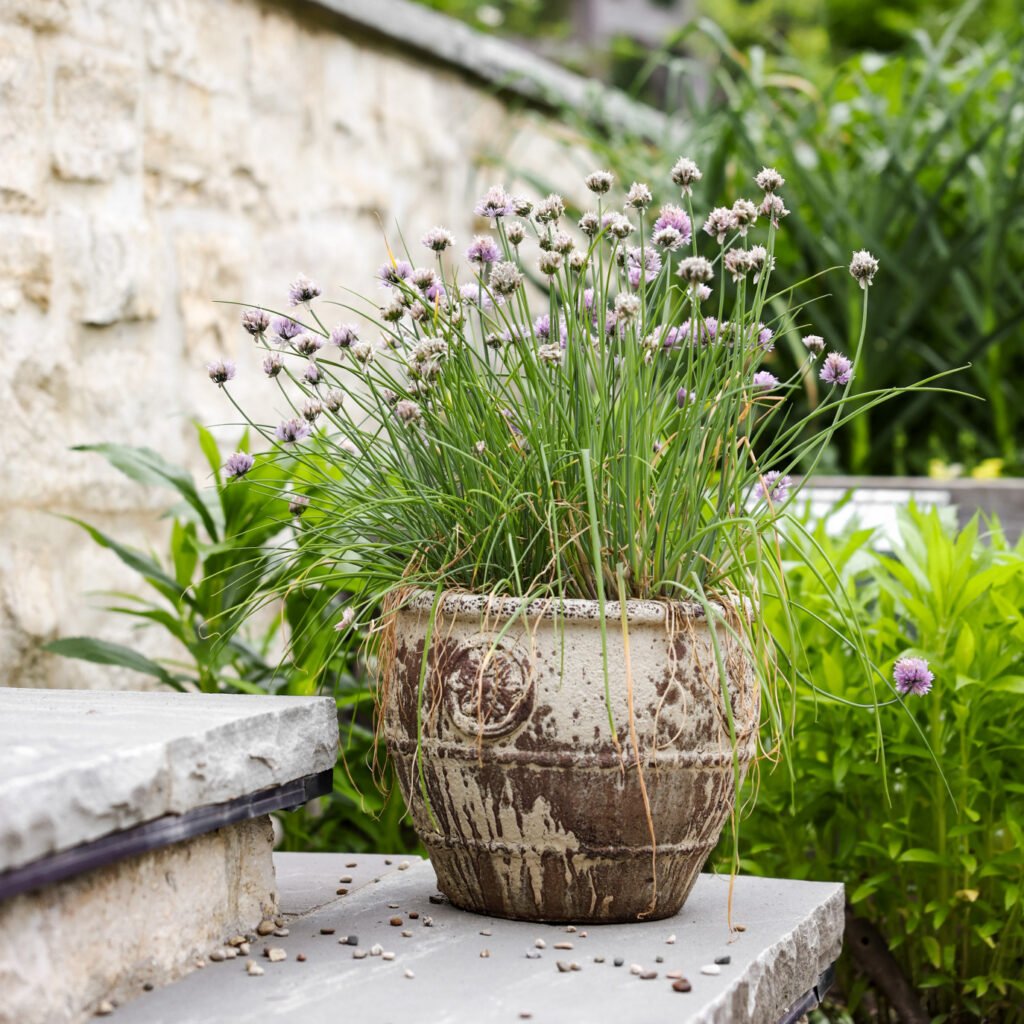
4. Chives (Allium schoenoprasum)

Chives are a low-maintenance herb with a mild onion-like flavor, perfect for adding to eggs, soups, and baked potatoes. They grow quickly and adapt well to indoor containers.

Growing Requirements

  • Light: Chives need at least 6 hours of sunlight daily. Place them on a bright windowsill.
  • Soil: Use well-draining potting soil. Chives aren’t too fussy about soil type.
  • Watering: Keep soil moist but not soggy. Chives like slightly damp soil.
  • Temperature: Best in temperatures of 60–70°F (15–21°C).

Care Tips

  • Trim chives regularly to prevent them from becoming too tall and spindly.
  • Chives can be divided and repotted when they outgrow their container.
  • They’re resistant to most pests and diseases, making them a reliable choice.

Harvesting

Cut leaves with scissors, starting with the outermost ones. Leave at least 2 inches of growth so the plant can regrow. Chives are great for garnishing and flavoring dishes.


5. Thyme (Thymus vulgaris)

Thyme is a hardy, aromatic herb used in a wide variety of dishes, from roasted meats to soups and stews. It’s drought-tolerant, making it one of the easiest herbs to grow indoors.

Growing Requirements

  • Light: Needs 6–8 hours of sunlight daily. Place near a bright window or under a grow light.
  • Soil: Prefers sandy, well-draining soil. Avoid heavy, moisture-retentive mixes.
  • Watering: Water sparingly. Allow soil to dry slightly between waterings.
  • Temperature: Thrives in warm indoor temperatures of 65–75°F (18–24°C).

Care Tips

  • Trim regularly to encourage bushy growth and prevent the plant from getting woody.
  • Avoid overwatering, as thyme is prone to root rot.
  • Pair thyme with rosemary or oregano in a shared pot since they have similar water and light needs.

Harvesting

Snip small sprigs as needed. For drying or preserving, harvest just before the plant flowers for the strongest flavor. Thyme works well in marinades, roasted vegetables, and slow-cooked dishes.


Tips for Successful Indoor Herb Gardening

No matter which herbs you choose, these general tips will help you succeed:

  1. Provide sufficient light – Most herbs need 6–8 hours of sunlight. If your home lacks natural light, invest in grow lights.
  2. Choose the right containers – Pots should have good drainage holes to prevent waterlogging.
  3. Rotate plants – Turn containers regularly so all sides receive even light.
  4. Avoid overwatering – Most herbs prefer slightly dry conditions, except parsley and mint, which like more moisture.
  5. Fertilize lightly – Use a balanced, diluted liquid fertilizer once a month during active growth.
  6. Prune often – Regular harvesting encourages new growth and prevents legginess.
  7. Control indoor environment – Keep herbs away from drafts, heaters, or overly dry air.

Final Thoughts

Indoor herb gardening is an enjoyable and rewarding way to bring nature into your home while ensuring a fresh supply of culinary ingredients year-round. Among the many choices available, basil, mint, parsley, chives, and thyme stand out as the best herbs for indoor gardening because they’re easy to grow, versatile in the kitchen, and thrive in containers.

With just a little attention to light, water, and care, these herbs will flourish indoors, transforming your cooking and brightening your living space. Whether you’re a beginner gardener or a seasoned green thumb, these five herbs are the perfect starting point for creating your very own indoor herb garden.

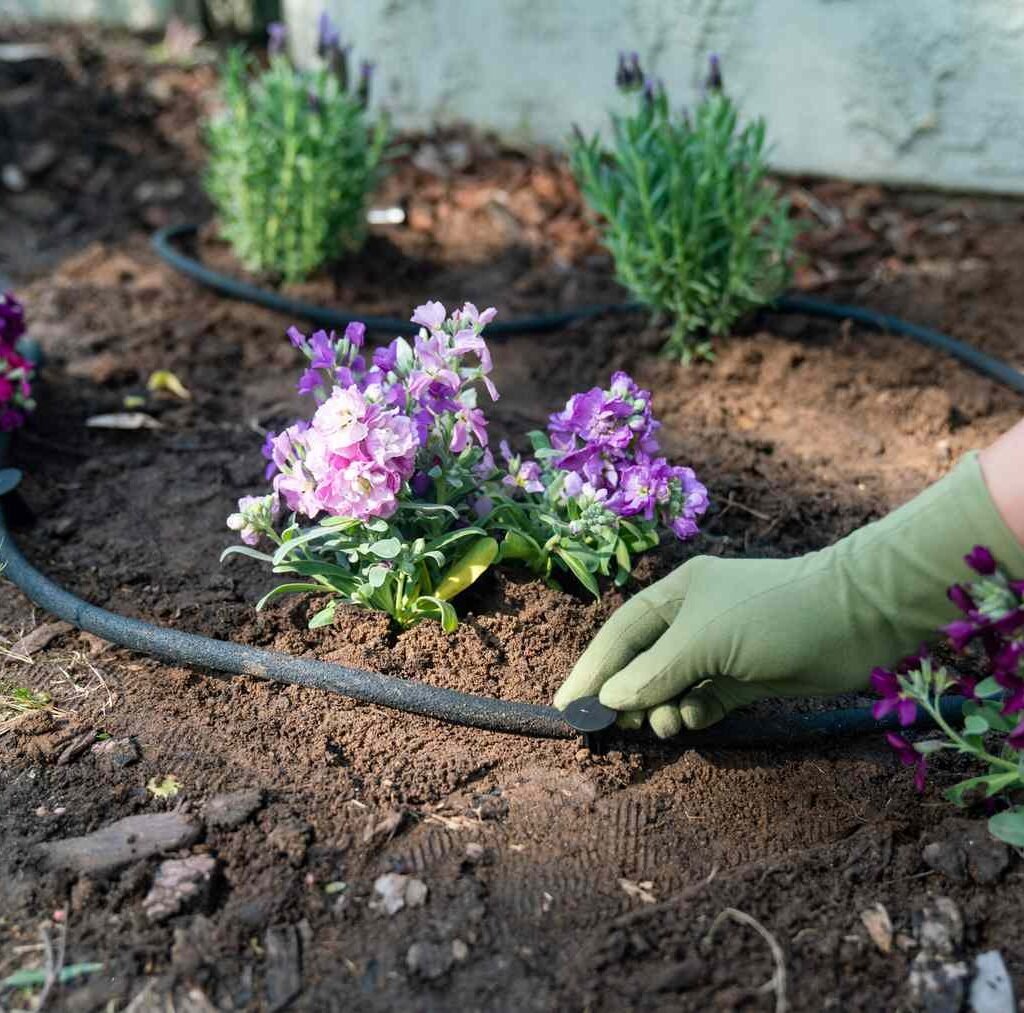
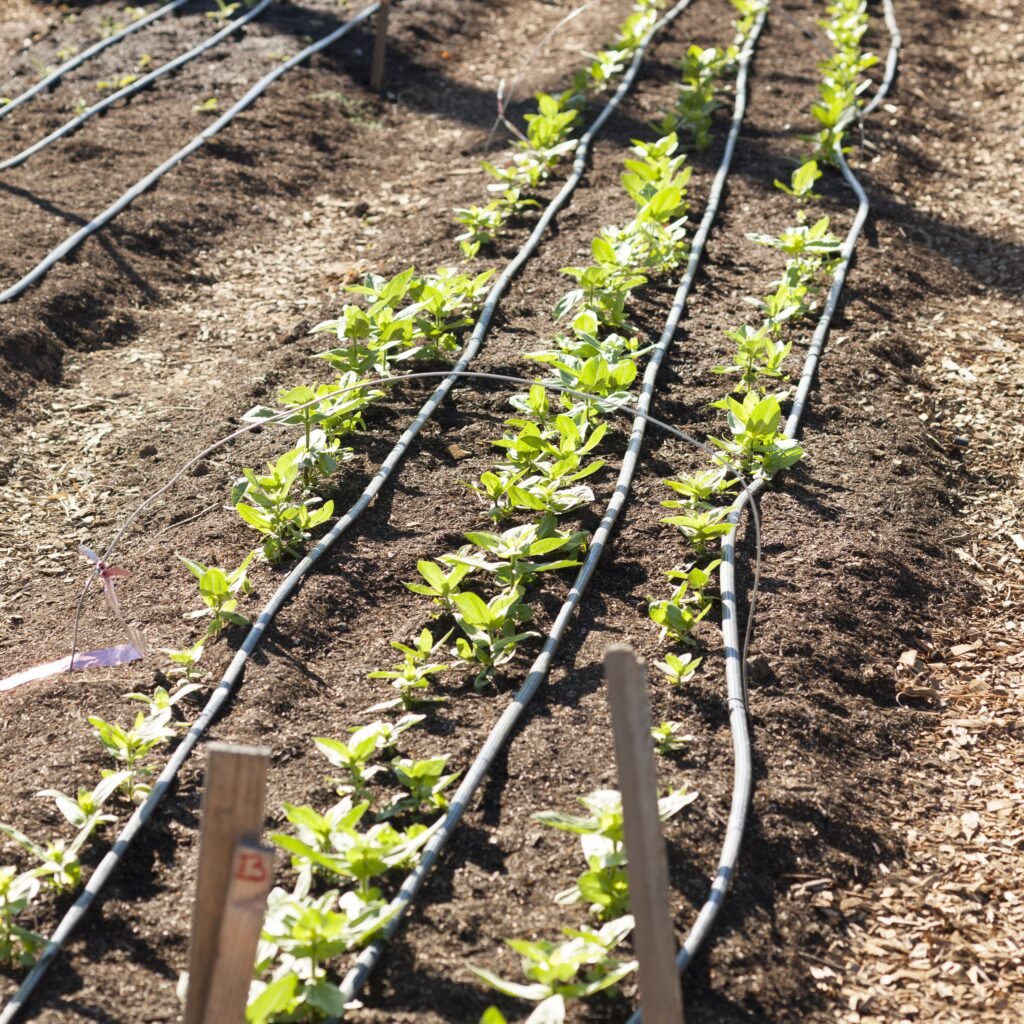
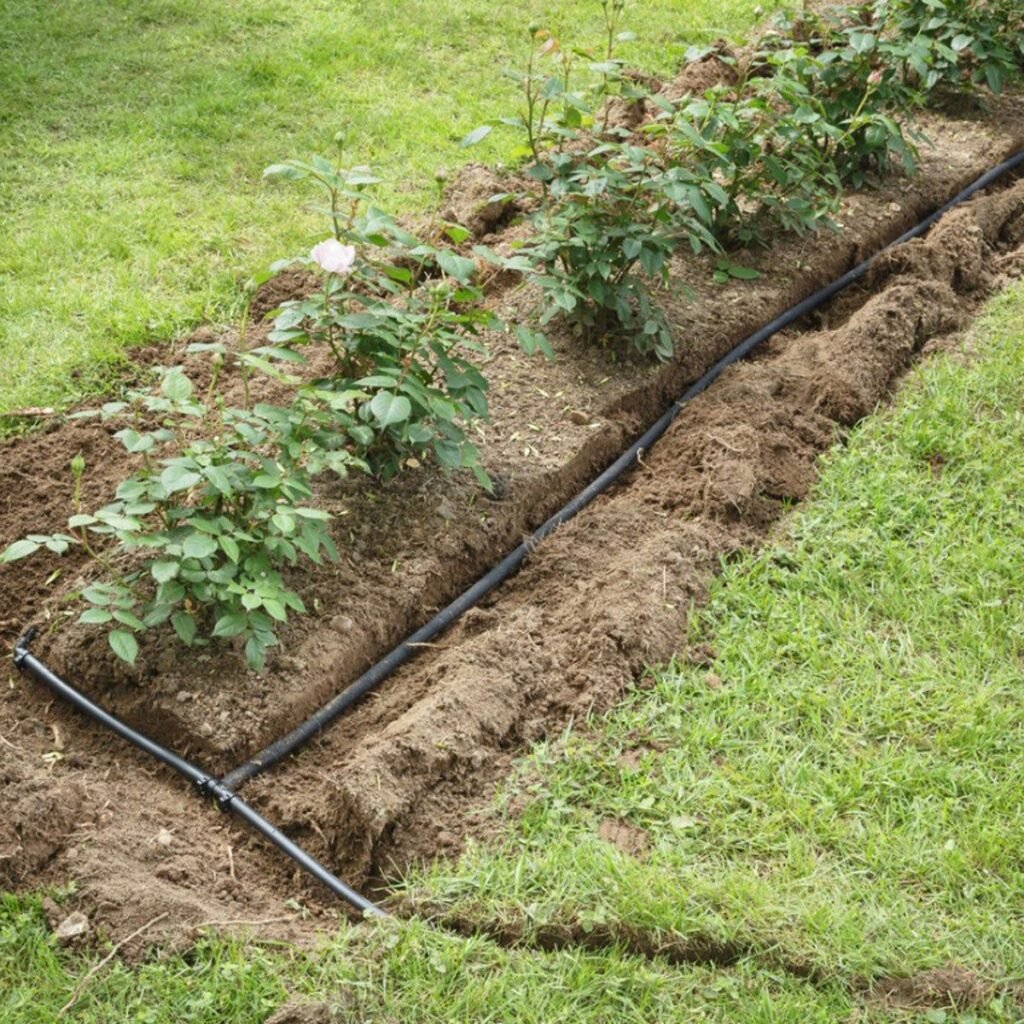
How to Install a Simple Garden Irrigation System

How to Install a Simple Garden Irrigation System

A thriving garden requires water—but manually watering plants with a hose or watering can is time-consuming, inconsistent, and inefficient. That’s where a garden irrigation system comes in. Installing a simple irrigation system ensures your plants receive the right amount of water consistently, reduces water waste, and makes garden maintenance much easier.

The great news is that you don’t need to hire professionals or invest in complicated equipment. With some basic materials, careful planning, and a little DIY spirit, you can set up a simple, effective irrigation system at home. In this article, we’ll guide you step-by-step on planning, installing, and maintaining a garden irrigation system that keeps your garden healthy and hydrated.


Why Install a Garden Irrigation System?

Before jumping into installation, it’s important to understand the benefits of irrigation systems:

  • Consistency: Provides uniform watering, preventing overwatering or underwatering.
  • Time-Saving: Eliminates daily manual watering, freeing up time for other garden tasks.
  • Water Efficiency: Reduces water wastage by delivering water directly to plant roots.
  • Healthier Plants: Promotes stronger root systems and reduces plant stress during hot or dry periods.
  • Flexibility: Systems can be customized for vegetable beds, flower gardens, lawns, or container plants.

Installing even a simple system can make a noticeable difference in the health and productivity of your garden.


Step 1: Plan Your Irrigation System

Planning is the most important step, as it ensures efficiency and reduces waste.

  1. Assess Your Garden Layout:
    • Map out all planting areas, garden beds, lawns, and containers.
    • Note the location of water sources (spigot, rain barrel, or tank).
  2. Determine Water Requirements:
    • Identify plants with similar watering needs.
    • Group them together to optimize water delivery.
  3. Choose the Irrigation Method:
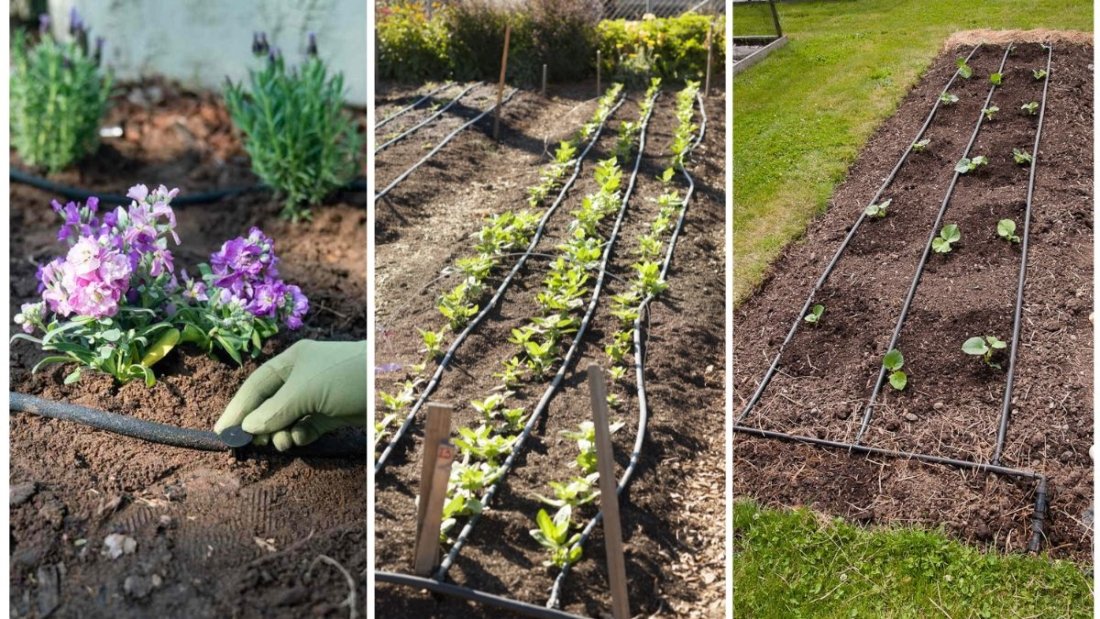
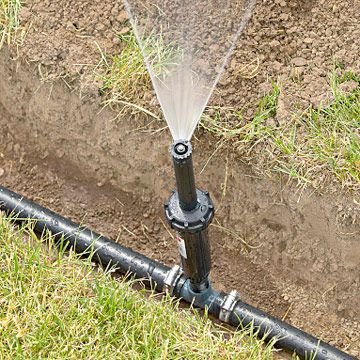
    • Drip Irrigation: Delivers water directly to the roots via tubes or emitters; ideal for vegetables, flower beds, and container plants.
    • Soaker Hoses: Flexible hoses that slowly release water along their length; perfect for garden beds and borders.
    • Sprinklers: Best for lawns or larger areas but less water-efficient.
  4. Measure and Calculate Materials:
    • Measure lengths of tubing or hoses needed for each garden bed.
    • Count the number of emitters, connectors, and stakes required.

Pro Tip: Start small—install the system in one section first, then expand gradually.


Step 2: Gather Materials and Tools

For a simple DIY drip irrigation system, you will need:

Materials:

  • Main tubing (½ inch or ¾ inch poly tubing)
  • Drip emitters (1–2 gallons per hour for most plants)
  • Barbed connectors and end caps
  • Stakes to hold tubing in place
  • Hose adapter (to connect tubing to your water source)
  • Optional: Pressure regulator and filter to prevent clogging

Tools:

  • Scissors or tubing cutter
  • Drill with small bit (if needed to make holes for emitters)
  • Garden tape or ties

Step 3: Prepare the Garden Beds

Before laying tubing, prepare your garden beds:

  • Remove weeds and debris from the soil surface.
  • Mulch can be applied after installing tubing to retain moisture and reduce evaporation.
  • Create a slight slope or ensure level ground for even water distribution.

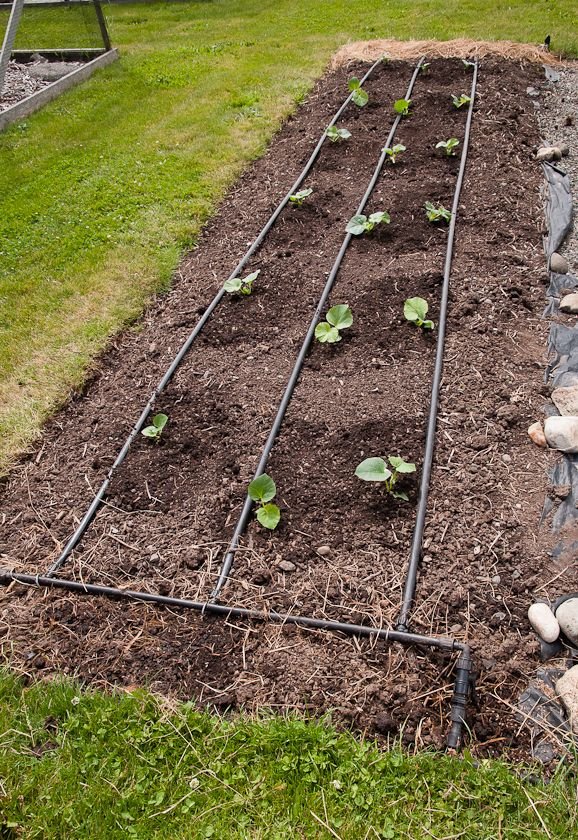
Step 4: Lay the Main Tubing

  1. Connect the main tubing to your water source using a hose adapter.
  2. Run the tubing along the length of your garden bed, keeping it close to the plants.
  3. Secure the tubing with stakes every 2–3 feet to prevent movement.
  4. Cut tubing as needed to reach each section or row of plants.

Pro Tip: If using multiple garden beds, create separate loops for each section for better control.


Step 5: Install Drip Emitters or Soaker Hoses

For Drip Emitters:

  1. Punch small holes into the tubing near the base of each plant using a hole punch or drill.
  2. Insert emitters into the holes.
  3. Adjust emitter flow rates based on the water needs of each plant.

For Soaker Hoses:

  1. Lay the hose along the rows of plants, weaving it around roots.
  2. Ensure the hose is in close contact with the soil for efficient water delivery.
  3. Connect hoses to the main tubing using barbed connectors.

Step 6: Test the System

Before covering tubing with mulch, it’s essential to test your system:

  1. Turn on the water and check for leaks.
  2. Ensure each emitter or section of soaker hose is delivering water evenly.
  3. Adjust flow rates or move tubing as needed to prevent overwatering or dry spots.
  4. Once satisfied, turn off the water and cover tubing with mulch or soil for a neat finish.

Pro Tip: A pressure regulator is helpful if your water source has high pressure, preventing emitters from popping out or hoses from bursting.


Step 7: Maintain Your Irrigation System

A simple irrigation system requires minimal maintenance, but a few tasks ensure its longevity:

  • Check Emitters Regularly: Ensure water is flowing and clean clogged emitters.
  • Inspect Tubing: Look for leaks or cracks, especially at connection points.
  • Seasonal Adjustments: Increase watering during hot months and reduce during rainy periods.
  • Winter Care: In cold climates, drain the system to prevent freezing and damage.
  • Flush the System: Periodically flush tubing to remove sediment and debris.

Benefits of a DIY Garden Irrigation System

  • Saves Time: Eliminates manual watering, freeing up hours each week.
  • Reduces Water Waste: Water is delivered directly to the root zone, reducing evaporation and runoff.
  • Promotes Healthy Plants: Consistent watering reduces stress and encourages strong growth.
  • Scalable: You can start small and expand your system as your garden grows.
  • Eco-Friendly: Efficient irrigation reduces your water footprint.

Additional Tips for an Efficient Garden Irrigation System

  • Group Plants by Water Needs: Plants with similar requirements should share a section of tubing.
  • Use Mulch: Mulching around tubing retains moisture, reduces weeds, and protects emitters from the sun.
  • Install a Timer: A timer automates watering, ensuring your garden is consistently hydrated even when you’re away.
  • Consider Rainwater Harvesting: Connect your system to a rain barrel for sustainable watering.
  • Plan for Expansion: Leave extra tubing or connectors for adding new beds or containers in the future.

Conclusion

Installing a simple garden irrigation system is a practical and rewarding DIY project that saves time, conserves water, and keeps your garden lush and productive. By following these step-by-step instructions—planning your layout, choosing the right materials, installing emitters or hoses, and maintaining the system—you can create a reliable watering solution tailored to your garden’s needs.

Whether you’re growing vegetables, flowers, or shrubs, a simple irrigation system ensures your plants receive the consistent care they deserve. With minimal effort and investment, you’ll enjoy a healthier, more vibrant garden while freeing yourself from the daily chore of manual watering.

The Top 5 Crops to Plant in Containers Right Now

The Top 5 Crops to Plant in Containers Right Now

Container gardening is no longer just a solution for those short on space — it’s a trend embraced by gardeners of all experience levels who want convenience, control, and creativity. Whether you live in an apartment, have a small balcony, or want to extend your harvest into fall, planting crops in containers is one of the easiest and most productive ways to grow fresh food year-round.

As temperatures begin to cool but the sun still shines warmly, now is the perfect time to plant a new round of crops in containers. In this guide, we’ll reveal the top 5 crops to plant in containers right now, how to grow them successfully, what containers to use, and expert tips for maximizing your harvest.


Why Container Gardening Is Ideal Right Now

Late summer into early fall is a unique window of opportunity. The intense heat of midsummer has passed, but the soil is still warm enough for seeds to germinate quickly. Additionally:

  • Pests and diseases begin to decline.
  • Many cool-season crops thrive in containers.
  • Shorter daylight hours encourage sweeter, more flavorful produce.
  • You can easily move containers indoors or into protected spaces as needed.

Whether you’re a seasoned gardener or just getting started, this is the moment to refresh your garden and enjoy another round of homegrown goodness.


Choosing the Right Container

Before you dig in, it’s important to choose the right containers. Here’s what to consider:

Container Size

  • Leafy greens: 6–8 inches deep
  • Root vegetables: 10–12 inches deep
  • Bush beans, herbs: 8–10 inches deep
  • Dwarf tomatoes, peppers: 12–14 inches deep

Drainage

Always ensure containers have adequate drainage holes to prevent root rot.

Material

  • Plastic: Lightweight, retains moisture well
  • Terracotta: Breathable but dries out quickly
  • Fabric grow bags: Excellent aeration, easy to store
  • Wooden boxes: Durable, natural insulation

Potting Mix

Use a high-quality potting mix, not garden soil. Look for a mix that’s light, drains well, and includes organic matter like compost or coco coir.


The Top 5 Crops to Plant in Containers Right Now

Let’s dive into the best crops for container planting during this transitional season. These selections grow quickly, thrive in pots, and can withstand cooler temperatures.


1. Lettuce and Salad Greens

Why It’s Great:

Lettuce is one of the fastest-growing crops for containers. It loves cooler temperatures, making it ideal for fall planting. You can grow cut-and-come-again varieties that regenerate multiple times after harvesting.

Best Varieties:

  • Leaf lettuce (e.g., Black Seeded Simpson, Red Sails)
  • Romaine (e.g., Little Gem)
  • Arugula
  • Spinach
  • Mizuna
  • Mustard greens

Container Tips:

  • Minimum 6-inch depth
  • Use shallow, wide containers for maximum yield
  • Water regularly, keep soil consistently moist

Harvest Time:

  • 20–30 days for baby leaves
  • 45–60 days for full heads

Pro Tip:

Grow several types together for a colorful, gourmet salad bowl right on your patio.


2. Carrots

Why It’s Great:

Carrots love the cooler, moist soils of fall and do extremely well in deep containers. You avoid pest problems like carrot flies, and harvesting is as easy as dumping the pot!

Best Varieties for Containers:

  • ‘Parisian’ (round and short)
  • ‘Thumbelina’
  • ‘Little Finger’
  • ‘Nantes’

Container Tips:

  • At least 10–12 inches deep
  • Loose, sandy potting mix
  • Thin seedlings to avoid overcrowding

Harvest Time:

  • 50–70 days depending on variety

Pro Tip:

Avoid fertilizer high in nitrogen — it encourages leafy tops, not root development.


3. Bush Beans

Why It’s Great:

Bush beans are compact, fast-growing, and don’t need support like pole beans. They produce tender pods in just 6–8 weeks and love containers as long as they get sunlight.

Best Varieties:

  • ‘Provider’
  • ‘Bush Blue Lake’
  • ‘Contender’
  • ‘Maxibel’

Container Tips:

  • 8–10 inches deep
  • Minimum 12-inch wide pot for several plants
  • Water at the base to prevent fungal issues

Harvest Time:

  • 50–60 days

Pro Tip:

Keep harvesting every few days — frequent picking boosts production!


4. Radishes

Why It’s Great:

Radishes are one of the quickest root crops you can grow. Perfect for beginner gardeners, they require very little space and can go from seed to harvest in under a month.

Best Varieties:

  • ‘Cherry Belle’
  • ‘French Breakfast’
  • ‘Easter Egg’
  • ‘Sparkler’

Container Tips:

  • 6 inches deep minimum
  • Scatter seeds evenly, then thin
  • Keep soil moist but not soggy

Harvest Time:

  • 25–30 days

Pro Tip:

Don’t leave radishes in the soil too long — they get woody and bitter.


5. Herbs (Cilantro, Parsley, Chives, Dill)

Why They’re Great:

Herbs are low-maintenance, thrive in containers, and grow well in cooler temps. Fresh herbs elevate every meal and are more aromatic when grown in fall’s milder weather.

Best Cool-Season Herbs:

  • Cilantro – bolts less in fall, perfect for salsas and curries
  • Parsley – frost-tolerant, great for soups and stews
  • Chives – perennials that come back each spring
  • Dill – grows fast and adds flavor to everything from pickles to fish

Container Tips:

  • 6–8 inches deep
  • Use separate pots or a large rectangular planter
  • Pinch back leaves to encourage bushiness

Harvest Time:

  • 30–50 days depending on the herb

Pro Tip:

Don’t let herbs flower unless saving seeds — flowering reduces leaf production.


Sunlight & Placement Tips

To maximize growth in containers:

  • Place in full sun (6+ hours/day), especially for beans and carrots.
  • Rotate containers weekly for even light exposure.
  • Use wheeled caddies or lightweight pots to move with the sun.

If sunlight is limited, consider:

  • Growing leafy greens in partial shade (3–4 hours of sun is enough).
  • Using grow lights indoors for herbs or salads.

Watering and Fertilizing

Watering Tips:

  • Containers dry out faster than garden beds.
  • Check soil daily — water when the top inch is dry.
  • Morning watering is best to reduce evaporation.

Fertilizing:

  • Use liquid organic fertilizer every 10–14 days.
  • Leafy crops love nitrogen; root crops prefer balanced or low-nitrogen feeds.

What If It Gets Cold?

If temperatures drop suddenly:

  • Cover containers with row covers or fleece overnight.
  • Move pots indoors, into a garage, or under a porch.
  • Use cold frames or cloches to trap heat.

Most crops listed above tolerate light frosts, and some (like parsley and spinach) even taste sweeter after a chill.


Bonus: Extend the Harvest Indoors

Many of these crops — especially herbs, lettuce, and radishes — can be grown entirely indoors on sunny windowsills or under grow lights. This means you can continue harvesting fresh greens through the winter, even if you’re snowed in.


Final Thoughts: Grow More with Less

The beauty of container gardening lies in its simplicity and scalability. Whether you’re working with a single pot on a balcony or dozens on a patio, you can harvest fresh, delicious, and nutritious food — even as the seasons change.

By planting lettuce, carrots, bush beans, radishes, and herbs in containers right now, you’re setting yourself up for success. With a little care and creativity, your fall garden can be just as rewarding as your summer one — perhaps even more so.

So grab those pots, fill them with rich soil, and sow the seeds of your next harvest today. Your future self (and your dinner table) will thank you.