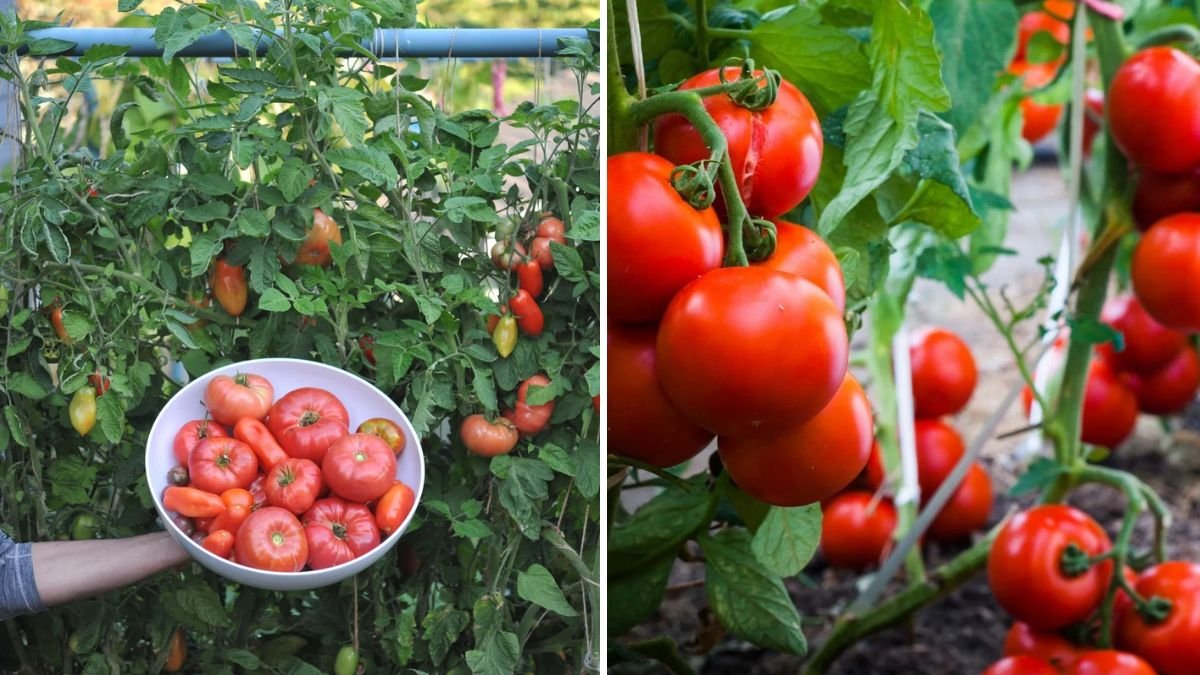
Tomatoes are one of the most rewarding plants to grow in a home garden, offering lush green foliage and bountiful fruit. However, without proper training and support, tomato plants can become tangled, overcrowded, and less productive. Training your tomato plants effectively not only maximizes yield but also improves airflow, reduces disease, and simplifies harvesting.
This guide explores the best strategies to train tomato plants for bigger, healthier harvests, whether you are growing determinate or indeterminate varieties.
1. Understanding Tomato Growth Habits
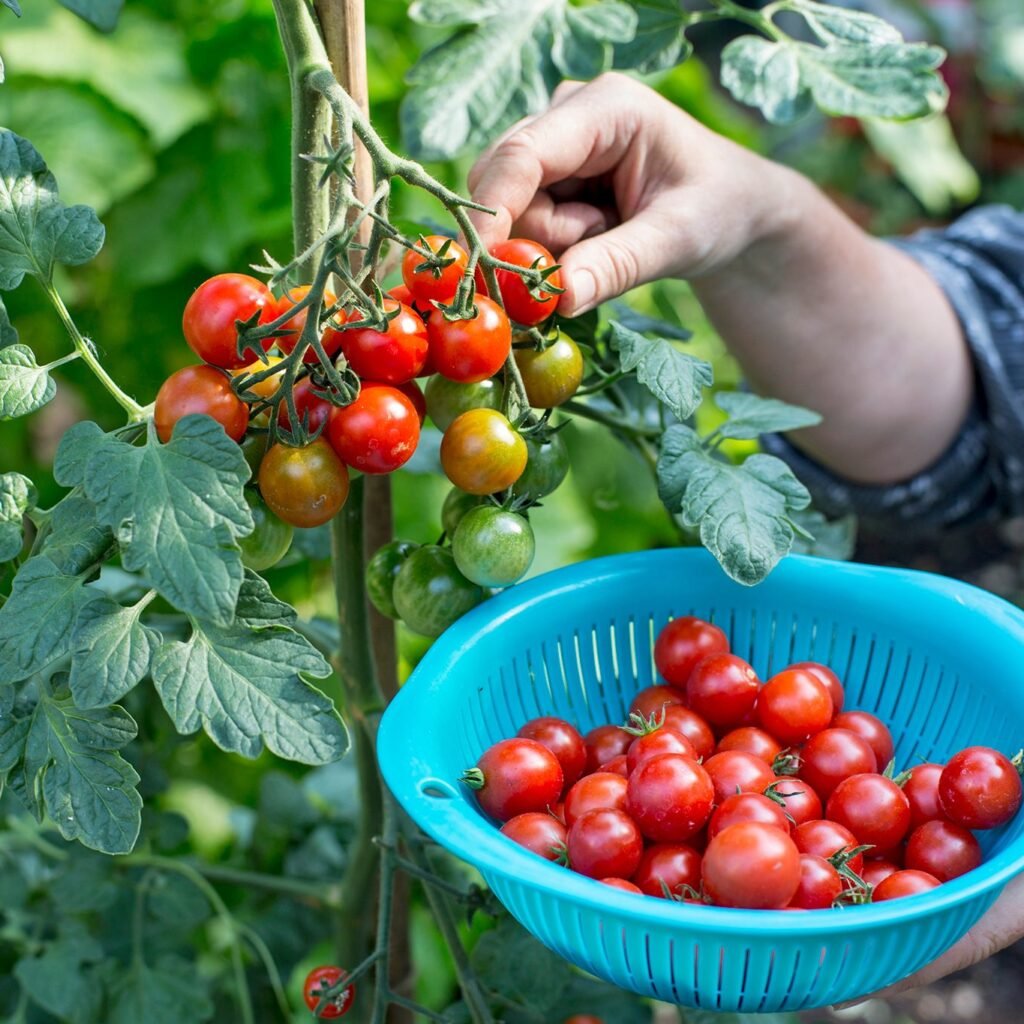
Before training, it’s essential to know your plant type. Tomato plants generally fall into two categories:
- Determinate Tomatoes: Also called “bush tomatoes,” these grow to a compact height and produce fruit all at once. Examples include ‘Roma’ and ‘Celebrity.’
- Indeterminate Tomatoes: These continue growing and producing fruit throughout the season, often reaching heights of 6–12 feet. Examples include ‘Beefsteak’ and ‘Sungold.’
Training techniques differ slightly based on growth type. Determinate varieties require moderate support, while indeterminate tomatoes benefit from vertical training systems that allow continuous growth.
2. Why Train Tomato Plants?
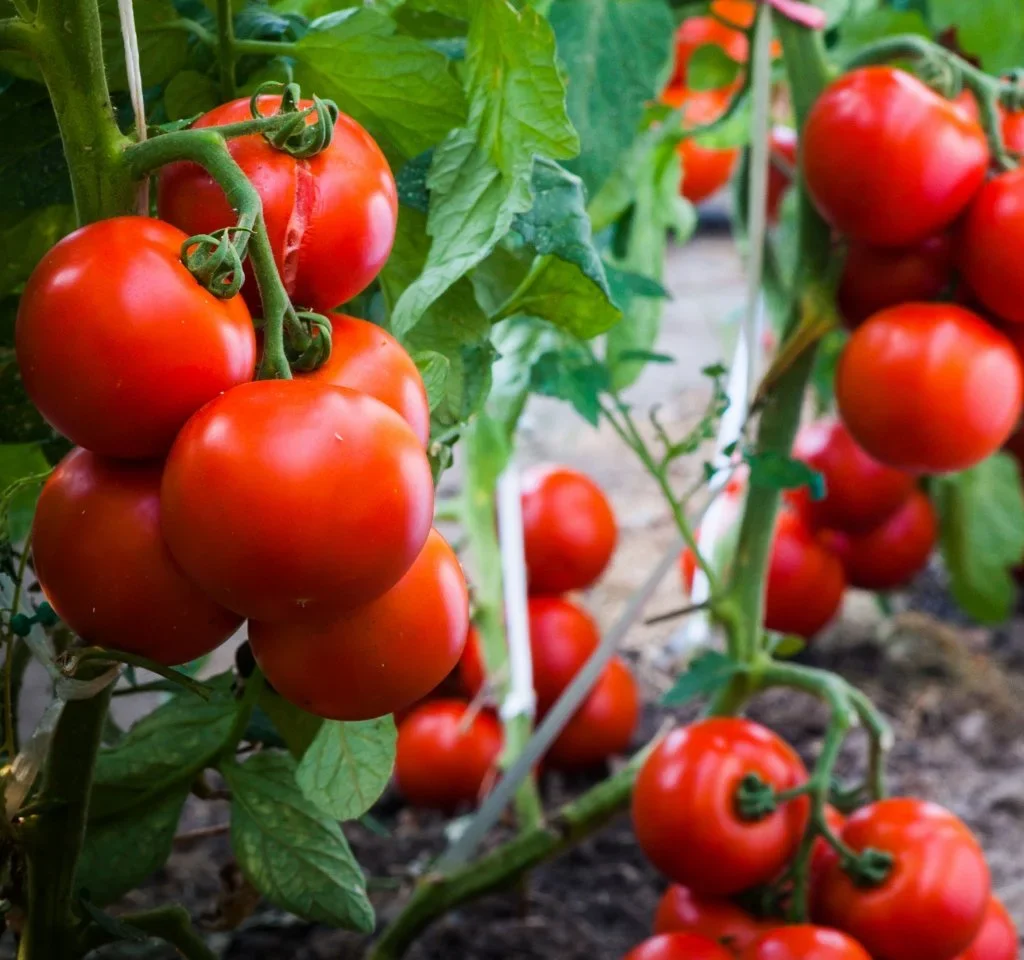
Properly training tomato plants offers several advantages:
- Bigger Harvests: Training directs energy into fruit production rather than sprawling foliage.
- Disease Prevention: Elevating leaves and fruit improves airflow, reducing fungal infections like blight.
- Efficient Space Use: Vertical growth saves garden space, ideal for small plots or container gardens.
- Simpler Harvesting: Fruits are easier to spot and pick when the plant is organized.
- Stronger Plants: Training supports stems, preventing breakage under heavy fruit loads.
Training is not just cosmetic — it directly impacts plant health and yield.
3. Selecting the Right Support System
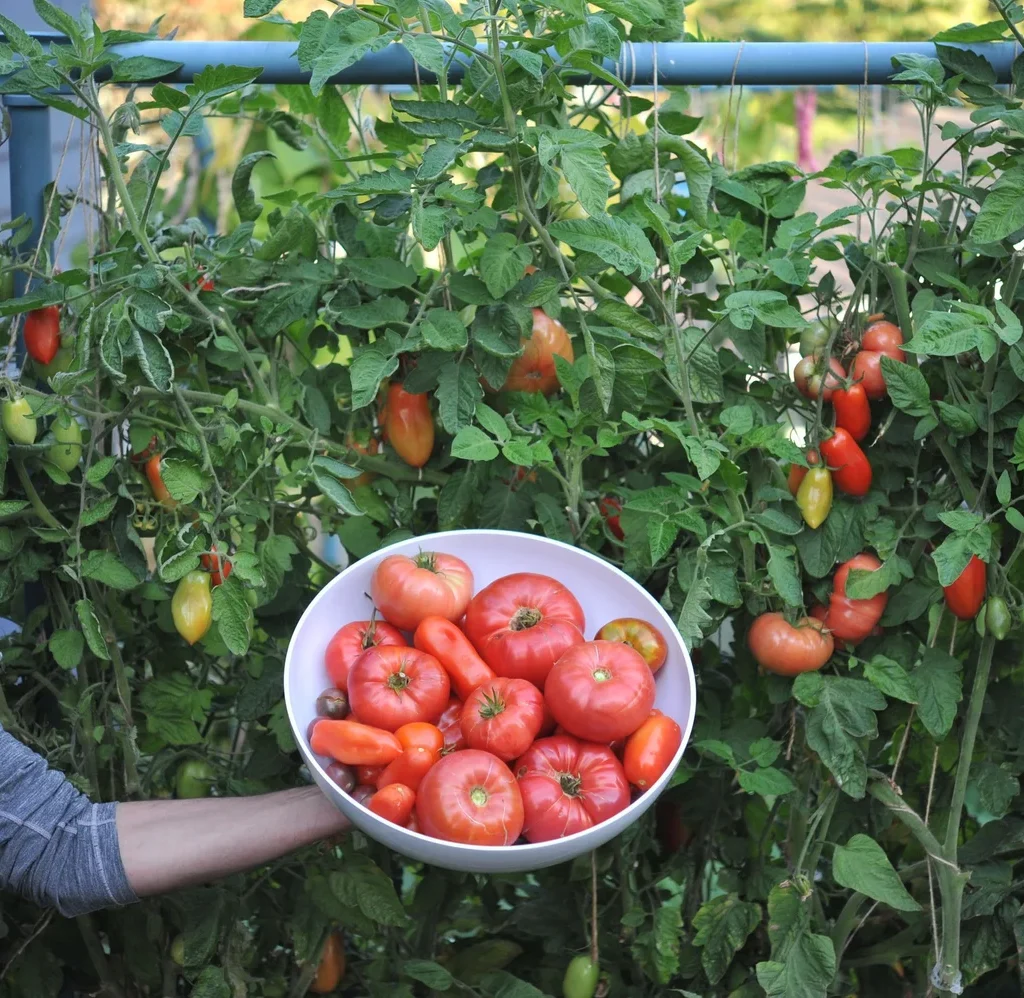
Tomatoes need sturdy support to grow vertically. The type of support depends on plant variety, garden layout, and available space.
Common Tomato Support Systems:
- Stakes: Simple wooden or metal stakes (6–8 feet for indeterminate tomatoes) allow tying the main stem to the support. Ideal for one or two plants.
- Cages: Wire cages encircle the plant, offering support for multiple stems and branches. Great for determinate varieties.
- Trellises: Vertical trellises support plants in rows, excellent for maximizing small garden spaces.
- String or Twine Method (Florida Weave): A popular method for row planting, where string is woven between stakes to hold plants upright.
Tip: Ensure supports are installed at planting time to avoid disturbing roots later. Strong, durable materials prevent collapse under heavy fruit.
4. Pruning for Bigger Harvests
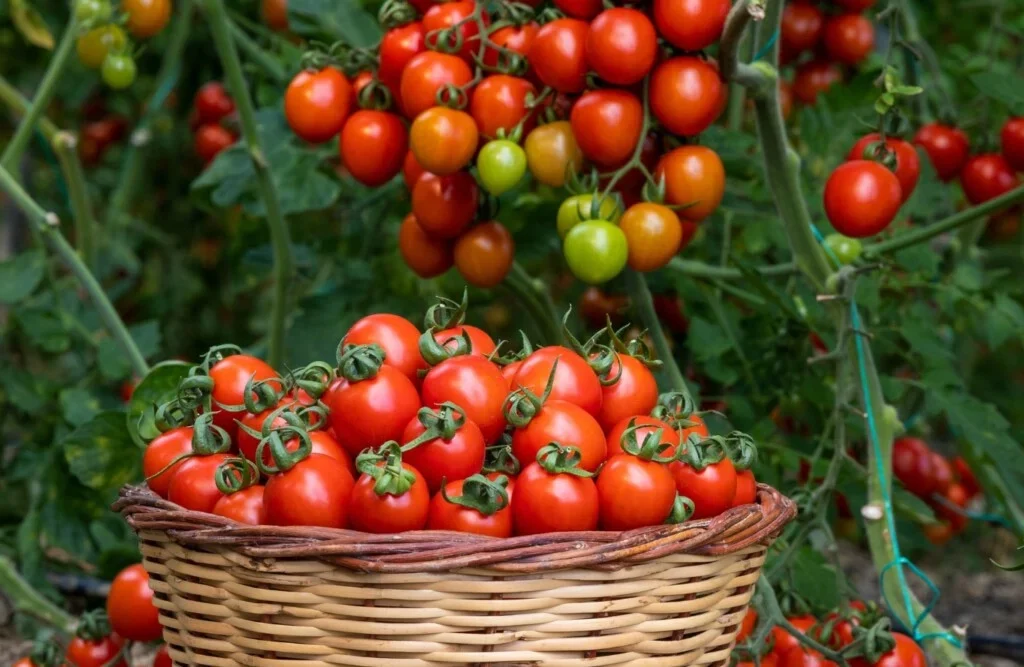
Pruning is a critical step in training tomatoes for maximized fruit production. Removing excess growth directs energy toward fruiting rather than foliage.
Pruning Techniques:
- Remove Suckers: Suckers are shoots that grow between the main stem and branches. Indeterminate tomatoes benefit from removing them to focus on main stems and fruit clusters.
- Lower Leaf Pruning: Remove leaves near the soil to prevent soil-borne diseases.
- Selective Branching: Leave 1–3 main stems per plant for indeterminate varieties, depending on support system and space.
- Tip Pruning: Towards the end of the season, pinch the growing tip to encourage fruit ripening.
Tip: Avoid over-pruning; leaves are essential for photosynthesis. Maintain enough foliage to feed the plant while reducing overcrowding.
5. Proper Tying and Plant Care
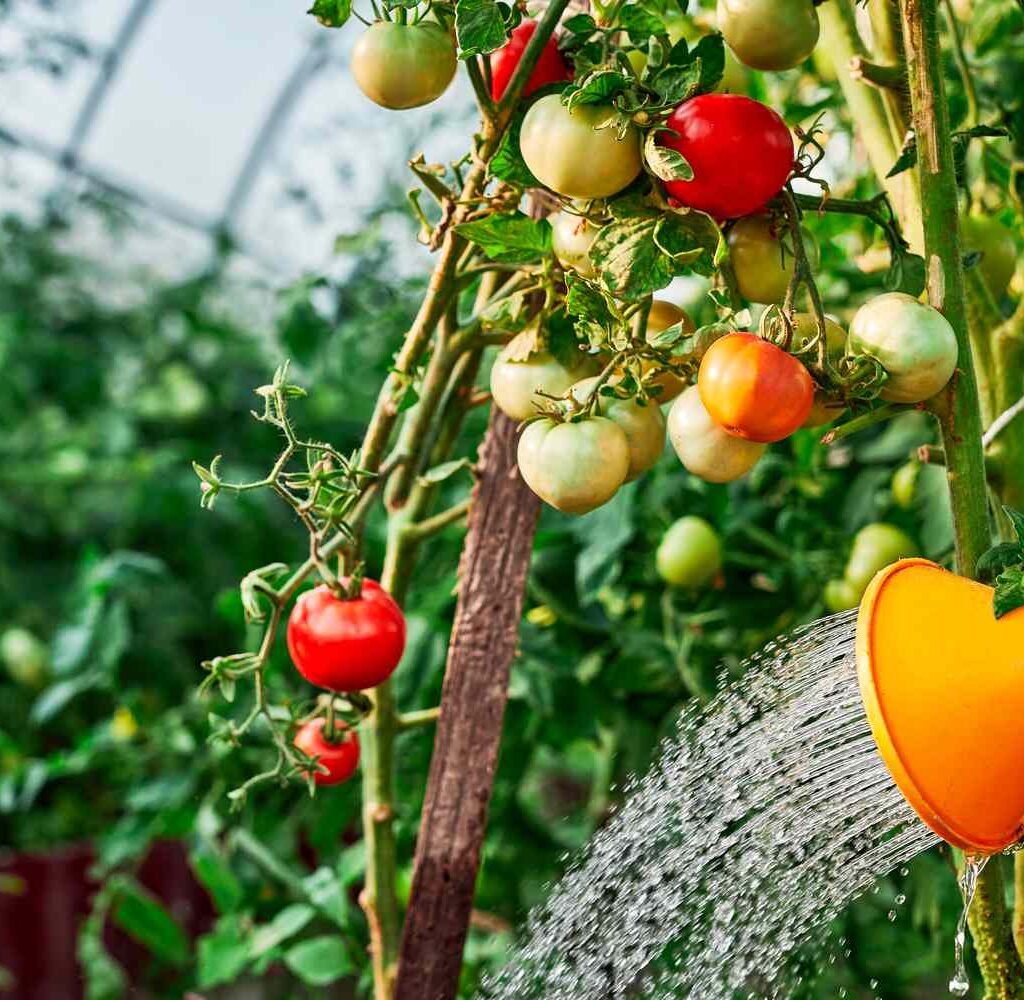
Once your plant is supported and pruned, it’s important to tie stems loosely and carefully. Tight ties can damage stems or restrict growth.
Tying Guidelines:
- Use soft materials like garden twine, cloth strips, or specialized plant ties.
- Tie every 12–18 inches along the main stem.
- Ensure ties allow stems to sway slightly in the wind, strengthening them naturally.
Additionally, regular watering and fertilization are crucial. Deep, consistent watering encourages strong root development, while balanced fertilizers with nitrogen, phosphorus, and potassium promote lush growth and fruiting.
6. Training Determinate vs. Indeterminate Tomatoes
Training techniques differ slightly based on tomato type:
Determinate Tomatoes:
- Typically bushy and produce fruit all at once.
- Use cages or short stakes to support the plant.
- Prune lightly, mainly to remove lower leaves and damaged branches.
- Focus on maintaining good airflow around the plant.
Indeterminate Tomatoes:
- Require vertical training to maximize yield.
- Use stakes, trellises, or string methods.
- Prune suckers and excess foliage regularly to keep energy focused on fruit.
- Tie stems carefully and monitor growth as the plant can grow several feet tall.
By matching the training method to the plant type, you ensure optimal growth, fruit production, and ease of maintenance.
7. Spacing and Plant Arrangement
Proper spacing ensures airflow and reduces competition for light and nutrients.
- Indeterminate Varieties: Space plants 18–36 inches apart in rows with at least 3 feet between rows.
- Determinate Varieties: Slightly closer spacing of 12–24 inches is sufficient.
- Companion Planting: Pair tomatoes with basil, marigold, or garlic to naturally repel pests and improve growth.
Correct spacing prevents overcrowding, promotes healthy foliage, and ensures sunlight reaches all fruiting branches, enhancing ripening and flavor.
8. Using Mulch for Health and Efficiency
Mulching is an essential part of tomato training. Mulch helps:
- Retain soil moisture: Reducing the need for frequent watering.
- Prevent soil-borne diseases: Keeps leaves and fruit from contacting soil.
- Suppress weeds: Reduces competition for nutrients and water.
- Regulate soil temperature: Protects roots during heatwaves or cold nights.
Organic options like straw, shredded leaves, or compost work best. Apply a 2–3 inch layer around the base of the plant, leaving space near the stem to prevent rot.
9. Monitoring and Adjusting Throughout the Season
Tomato training is an ongoing process. Regular monitoring ensures your plants remain healthy and productive.
Seasonal Maintenance Tips:
- Check ties weekly: Adjust as the plant grows.
- Inspect for pests and disease: Remove infected leaves promptly.
- Support heavy fruit clusters: Use extra ties or mesh to prevent branches from breaking.
- Rotate crops annually: Prevent soil-borne diseases and nutrient depletion by rotating tomatoes with legumes or leafy greens.
A proactive approach allows your garden to stay resilient and productive throughout the growing season.
10. Harvesting for Maximum Yield
Proper harvesting also contributes to bigger yields.
- Pick ripe fruits regularly: Encourages continuous fruiting on indeterminate varieties.
- Handle gently: Avoid bruising to prevent disease.
- Remove overripe or damaged fruit: Prevents energy waste and reduces pest attraction.
- Stagger harvesting: For long-season varieties, harvest in intervals to allow slower-maturing fruits to develop fully.
Timely harvesting ensures your tomato plants continue producing high-quality fruits throughout the season.
Conclusion: Train for Success and Abundant Harvests
Training tomato plants is more than tying them to stakes or trellises — it’s a comprehensive strategy that includes pruning, supporting, spacing, mulching, and careful harvesting. By following the best practices outlined here, gardeners can maximize airflow, sunlight exposure, and energy allocation, resulting in bigger, healthier, and more abundant harvests.
Whether you are growing a small backyard plot or a large vegetable garden, applying these training techniques ensures that your tomatoes thrive season after season, producing juicy, flavorful fruits that reflect the care and attention invested in your garden.
With consistent effort and proper guidance, even novice gardeners can enjoy the rewarding experience of high-yield, well-structured tomato plants, making every harvest a testament to smart gardening and plant mastery.