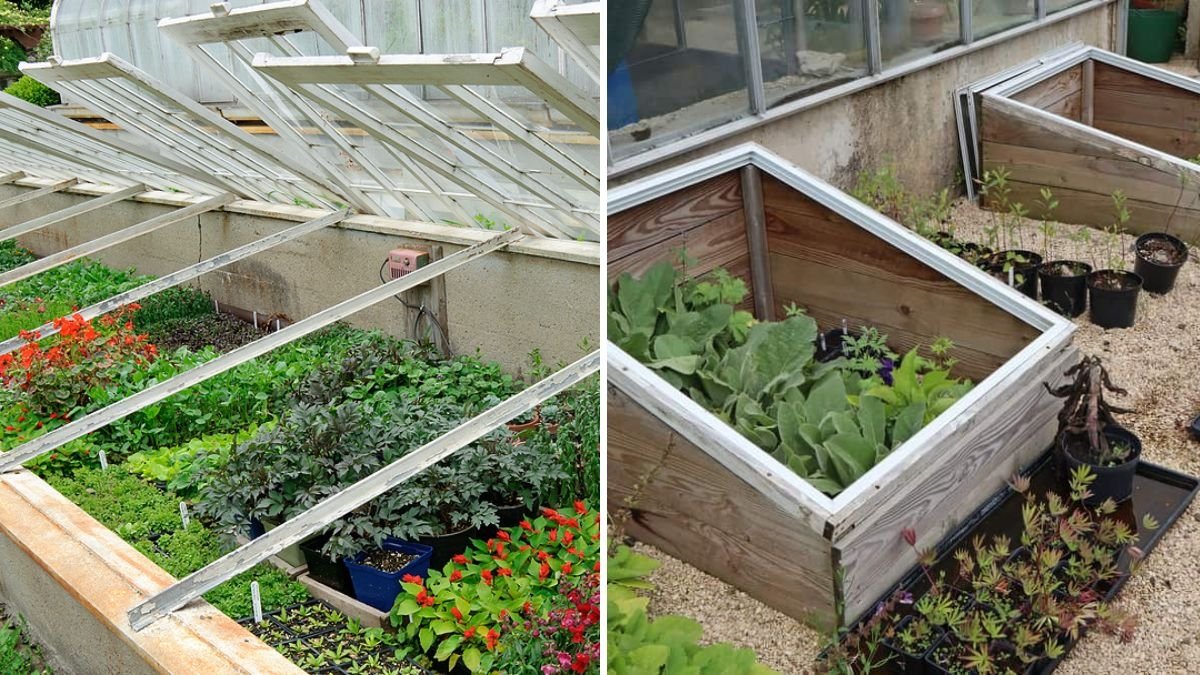
For gardeners looking to maximize productivity and enjoy fresh produce for longer, cold frames offer an effective and low-cost solution. By providing a controlled microclimate, cold frames allow you to extend the growing season, protect tender plants from frost, and even get a head start on spring planting. Whether you’re a hobbyist or an experienced gardener, understanding how to build, use, and maintain cold frames can transform your gardening year.
This guide explores everything you need to know to extend your growing season with cold frames, including construction, plant selection, maintenance, and seasonal strategies.
1. Understanding Cold Frames and Their Benefits

A cold frame is a low, box-like structure with a transparent lid that lets sunlight in while trapping heat. It functions as a mini greenhouse, offering warmth and protection for plants.
Key Benefits of Cold Frames:
- Season Extension: Protects crops from early frosts in fall and late frosts in spring.
- Early Seed Starting: Gives seedlings a head start before outdoor planting.
- Protection from Elements: Shields plants from wind, rain, and snow.
- Energy Efficiency: Uses solar energy for heating, requiring no electricity.
- Versatility: Can grow vegetables, herbs, flowers, and even overwinter certain plants.
Cold frames are particularly useful for temperate climates, where short growing seasons can limit the productivity of gardens.
2. Choosing the Right Location

The placement of your cold frame is crucial for maximizing heat retention and sunlight exposure.
Ideal Placement Tips:
- Sunlight: Choose a location that receives at least 6–8 hours of direct sunlight per day. South-facing positions are ideal in the northern hemisphere.
- Wind Protection: Place against a wall, fence, or hedge to reduce wind chill and heat loss.
- Drainage: Ensure the site has well-drained soil to prevent waterlogging inside the frame.
- Accessibility: Position near your garden path for easy access, watering, and monitoring.
Correct placement ensures your cold frame captures maximum sunlight while minimizing environmental stress on plants.
3. Building or Choosing a Cold Frame

Cold frames can be purchased or built with simple materials, depending on your budget and garden size.
Materials:
- Frame: Wood, brick, stone, or PVC for the box structure. Wood is preferred for its durability and insulation.
- Lid: Clear acrylic, polycarbonate, or glass allows sunlight to enter while keeping heat in.
- Hinges or removable tops: Facilitate easy access for planting, watering, and ventilation.
Construction Tips:
- Size: Large enough to accommodate several rows of plants, but small enough to maintain manageable temperatures. Typical height: 12–18 inches at the back, tapering toward the front for drainage and sun exposure.
- Angle: Slight tilt toward the sun ensures optimal light capture.
- Ventilation: Include adjustable vents or removable tops to prevent overheating on sunny days.
- Insulation: Add straw, mulch, or foam panels to the sides for extra winter protection.
A well-built cold frame can last several years and dramatically improve garden productivity.
4. Selecting Plants for Cold Frames

Cold frames are versatile, but certain plants benefit most from season extension and protection.
Early Spring Crops:
- Lettuce, spinach, kale, arugula
- Radishes and beets
- Broccoli and cabbage seedlings
Fall and Winter Crops:
- Garlic, chives, and onions
- Carrots and parsnips
- Overwintering lettuce or Swiss chard
Seed Starting and Transplants:
- Tomatoes, peppers, and eggplants can be started in early spring before moving outside.
Tip: Choose hardy, frost-tolerant plants for extended winter harvests and more tender plants for early spring growth. Cold frames allow gardeners to experiment with microclimate gardening and maximize their seasonal output.
5. Maintaining Temperature and Humidity

Temperature management is key to cold frame success. Too little heat delays growth, while excessive heat can damage plants.
Temperature Guidelines:
- Optimal Range: 50–70°F for most leafy greens; warmer conditions for seedlings.
- Ventilation: Open lids or vents during sunny days to prevent overheating.
- Insulation: Close lids at night and add row covers for extreme cold.
Humidity Control:
- Use a spray bottle or drip irrigation to maintain soil moisture.
- Avoid overwatering, which can lead to mold or mildew.
- Mulching inside the frame retains soil moisture and moderates temperature fluctuations.
By monitoring temperature and humidity, gardeners can simulate near-ideal conditions, encouraging faster growth and healthier plants.
6. Watering and Fertilization in Cold Frames
Plants in cold frames often need less water than outdoor crops due to reduced evaporation, but proper hydration remains essential.
Watering Tips:
- Water early in the day so soil has time to absorb moisture.
- Check soil regularly; cold frames can retain moisture and reduce watering frequency.
- Avoid waterlogging by ensuring drainage holes or slightly sloping the frame.
Fertilization Tips:
- Use liquid organic fertilizers or compost teas for seedlings.
- Avoid over-fertilizing; slow-growing plants in cooler weather require fewer nutrients.
- Replenish nutrients regularly for longer-term crops, particularly in winter months when plants are growing slowly.
Balanced watering and fertilization ensure that plants thrive in the protected microclimate of a cold frame.
7. Seasonal Strategies for Cold Frame Use
Cold frames can be used year-round with careful planning.
Spring Use:
- Start seeds 4–6 weeks before the last frost.
- Harden off seedlings by gradually opening lids before planting outdoors.
Summer Use:
- Use as shade protection for heat-sensitive crops.
- Maintain ventilation to prevent overheating.
Fall and Winter Use:
- Extend harvests of frost-tolerant crops.
- Add insulation like straw bales or bubble wrap on very cold nights.
Using cold frames strategically throughout the year maximizes garden productivity and flexibility.
8. Pest and Disease Management in Cold Frames
Cold frames create a microclimate that can attract pests if not managed properly.
- Common pests: Aphids, slugs, and caterpillars can thrive in enclosed spaces.
- Preventive measures: Inspect plants regularly, remove debris, and consider organic pest controls like neem oil.
- Disease control: Avoid overcrowding, maintain airflow, and monitor humidity to prevent fungal infections.
A well-maintained cold frame not only extends the growing season but also reduces plant stress and disease susceptibility.
9. Expanding Your Garden With Cold Frames
Cold frames are modular and scalable, making them ideal for small gardens or larger plots.
- Build multiple frames to rotate crops and extend harvest periods.
- Combine with raised beds or container gardens for efficient use of space.
- Use cold frames as mini-greenhouses for seedlings, reducing the need for indoor seed starting.
By integrating cold frames into your garden design, you can maximize space, productivity, and crop diversity.
10. Benefits of Using Cold Frames
The benefits of cold frames go beyond simply extending the growing season:
- Increased Yield: Grow more vegetables over a longer period.
- Cost-Effective: Solar-heated and low-maintenance compared to full greenhouses.
- Environmental Sustainability: Reduces reliance on artificial heating or imported produce.
- Improved Plant Health: Protection from frost, wind, and excessive rain.
- Flexibility: Supports a wide variety of crops, from leafy greens to seedlings.
Cold frames are a simple yet powerful gardening tool that enhances both productivity and sustainability.
Conclusion: Grow Smarter, Longer, and Healthier
Cold frames are an invaluable tool for gardeners seeking to extend their growing season and enjoy fresh, homegrown produce year-round. By choosing the right location, constructing a durable frame, selecting appropriate crops, and managing temperature, humidity, and pests, gardeners can significantly increase yield and plant health.
Whether starting seeds early in spring, protecting crops in winter, or experimenting with off-season vegetables, cold frames offer a versatile, low-cost solution for maximizing garden productivity.
By embracing cold frames, gardeners can transform their plots into resilient, productive, and sustainable micro-gardens, ensuring fresh vegetables and herbs regardless of seasonal limitations.

Leave A Comment