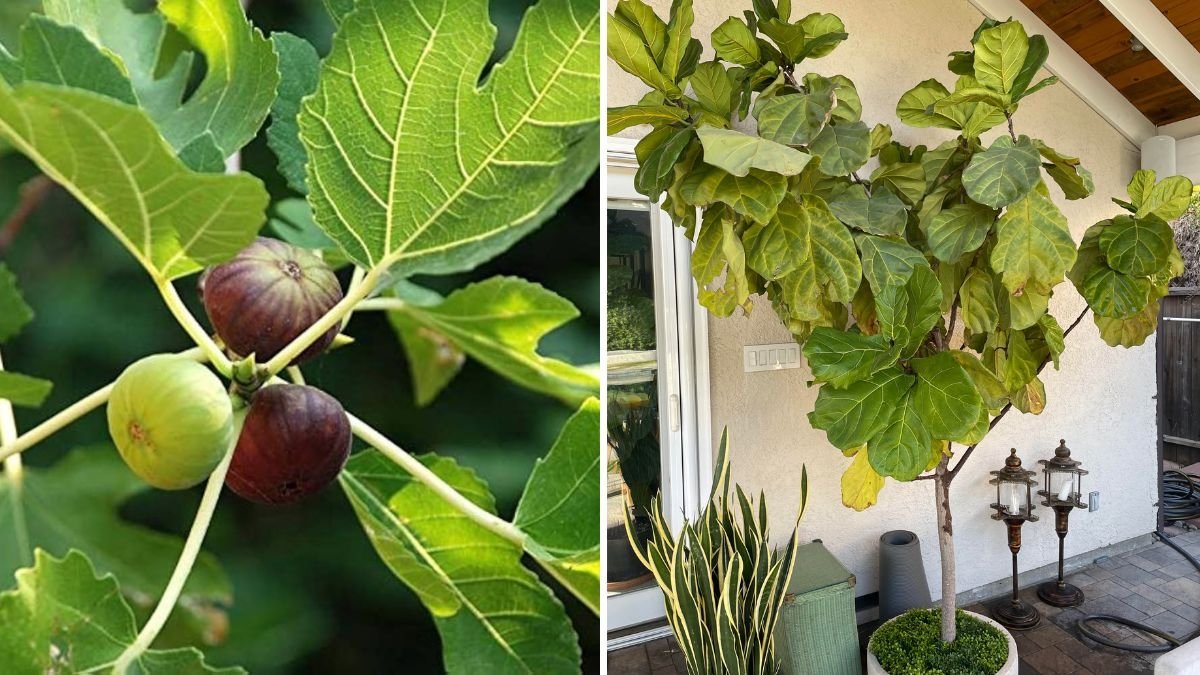
Figs are a sweet, nutritious fruit cherished for centuries. Growing a fig tree indoors allows gardeners to enjoy fresh, juicy figs year-round, even in climates unsuitable for outdoor cultivation. Indoor fig trees not only provide delicious fruit but also add lush greenery and natural elegance to your home. While fig trees are often associated with outdoor orchards, with proper care, they can thrive indoors in pots, producing a steady supply of fresh fruit.
This guide provides a step-by-step approach to growing a fig tree indoors, covering selection, planting, care, and fruiting strategies for a healthy and productive indoor fig tree.
1. Selecting the Right Fig Variety for Indoors

Choosing a suitable fig variety is crucial for indoor success. Some fig trees grow large outdoors, but dwarf or container-friendly varieties are ideal for indoor cultivation.
Recommended Indoor Fig Varieties:
- ‘Petite Negra’: Compact size, produces small, sweet figs, perfect for containers.
- ‘Little Miss Figgy’: Dwarf variety with prolific fruiting and minimal pruning needs.
- ‘Brown Turkey’: Versatile, adaptable, and produces large, tasty figs.
- ‘Celeste’: Sweet, smaller figs that grow well in containers with consistent care.
Considerations for Selection:
- Size: Choose a dwarf or semi-dwarf variety suitable for pots.
- Climate Adaptability: While indoors, temperature and light exposure matter more than outdoor hardiness.
- Fruit Type: Decide if you want early-season fruit or multiple harvests throughout the year.
Tip: Purchase fig saplings from reputable nurseries to ensure disease-free plants suited for indoor growth.
2. Choosing the Right Container and Soil

Indoor fig trees need a well-draining container and nutrient-rich soil to thrive and produce fruit.
Container Selection:
- Use a pot at least 12–18 inches in diameter to provide adequate space for root growth.
- Ensure drainage holes to prevent waterlogging and root rot.
- Consider terra-cotta pots that allow soil to breathe or plastic pots for lighter handling.
Soil Requirements:
- Use a well-draining potting mix, such as one designed for citrus or succulents.
- Mix in compost or organic matter to provide nutrients and improve moisture retention.
- Avoid heavy garden soil that retains water and suffocates roots.
Tip: A slightly acidic to neutral soil pH (6.0–7.0) is ideal for fig trees.
3. Planting Your Fig Tree

Proper planting ensures strong root establishment and healthy growth.
Planting Steps:
- Fill the pot partially with soil and position the sapling in the center.
- Spread the roots gently to avoid bending or crowding.
- Add soil around the roots, firm gently, and water thoroughly.
- Mulch the surface with a thin layer of organic material to retain moisture.
Placement:
- Position near a south- or west-facing window for bright, indirect sunlight.
- Fig trees need 6–8 hours of light per day to flower and produce fruit indoors.
- Rotate the pot periodically to ensure even light exposure and balanced growth.
Tip: If natural light is insufficient, supplement with LED grow lights to mimic sunlight.
4. Caring for an Indoor Fig Tree

Indoor fig trees require consistent care to thrive, produce fruit, and remain visually appealing.
Watering:
- Keep soil evenly moist, but not soggy.
- Water deeply when the top inch of soil feels dry.
- Reduce watering slightly during winter dormancy.
Fertilization:
- Use a balanced, water-soluble fertilizer monthly during the growing season.
- For fruit production, apply a fertilizer higher in potassium and phosphorus to support flowering and fruit set.
- Avoid excessive nitrogen, which encourages leafy growth over fruiting.
Pruning:
- Remove dead, weak, or overcrowded branches to improve airflow.
- Tip prune young branches to encourage bushy growth and multiple fruiting sites.
- Prune in late winter or early spring before the growing season begins.
Humidity and Temperature:
- Fig trees prefer moderate indoor humidity; misting occasionally can help.
- Maintain temperatures between 60–75°F (15–24°C). Avoid sudden cold drafts or hot, dry air from heaters.
Pest Management:
- Watch for spider mites, aphids, and scale insects.
- Wipe leaves with a damp cloth or use mild insecticidal soap if necessary.
- Healthy fig trees are naturally more resistant to pests with proper light, water, and nutrition.
Tip: Consistency in care prevents stress, which can reduce flowering and fruiting.
5. Encouraging Flowering and Fruiting

Indoor fig trees need special attention to flower and produce fruit, as indoor conditions can differ from outdoor gardens.
Pollination:
- Most indoor fig varieties are self-pollinating, so manual pollination is usually unnecessary.
- Gently shake or tap the branches to mimic natural pollination if needed.
Flowering Tips:
- Ensure adequate light, as low light delays flowering.
- Avoid excessive nitrogen fertilizer, which promotes leafy growth over flower production.
- Maintain consistent watering to prevent stress during the flowering phase.
Harvesting Figs:
- Figs are ripe when soft to touch, slightly drooping, and deeply colored.
- Harvest every few days during peak season to prevent overripening.
- Cut the fruit rather than pulling to avoid damaging the tree.
Tip: Indoor fig trees can produce fruit 1–2 times per year, depending on variety and care.
Additional Tips for a Thriving Indoor Fig Tree
- Container Size Matters: Upgrade the pot as the tree grows to avoid root-bound conditions.
- Rotate for Even Growth: Rotate the pot regularly to prevent lopsided development.
- Support Branches: Use stakes or soft ties to support heavy fruit-laden branches.
- Seasonal Care: Allow a slight rest period in winter with reduced watering and fertilizer to mimic natural dormancy.
- Soil Refresh: Repot or refresh topsoil every 1–2 years to provide nutrients and maintain soil health.
Tip: Use a growth journal to track watering, fertilization, and fruiting cycles, which helps optimize indoor fig production.
Benefits of Growing Figs Indoors
- Year-Round Fresh Fruit: Enjoy figs anytime without relying on seasonal availability.
- Nutritional Value: Figs are rich in fiber, potassium, calcium, and antioxidants, supporting a healthy diet.
- Air Purification: Fig trees improve indoor air quality while adding greenery.
- Aesthetic Appeal: Their glossy leaves and elegant branches enhance home décor.
- Sustainable Gardening: Indoor cultivation reduces the need for store-bought fruit and pesticide use.
Conclusion
Growing a fig tree indoors is a rewarding and achievable gardening project that combines beauty, nutrition, and practicality. By following these five essential steps—selecting the right variety, preparing the container and soil, planting properly, providing consistent care, and encouraging flowering and fruiting—any gardener can enjoy fresh figs right at home.
Indoor fig trees not only offer delicious, homegrown fruit but also bring a sense of natural serenity to your living space. With attention to light, water, nutrients, and seasonal care, indoor fig trees can thrive for years, producing fruit and lush foliage that enhance both your diet and home environment.
Tip: Start with a small, dwarf variety if you’re new to indoor gardening, and gradually experiment with larger types as you gain experience and confidence.

Leave A Comment