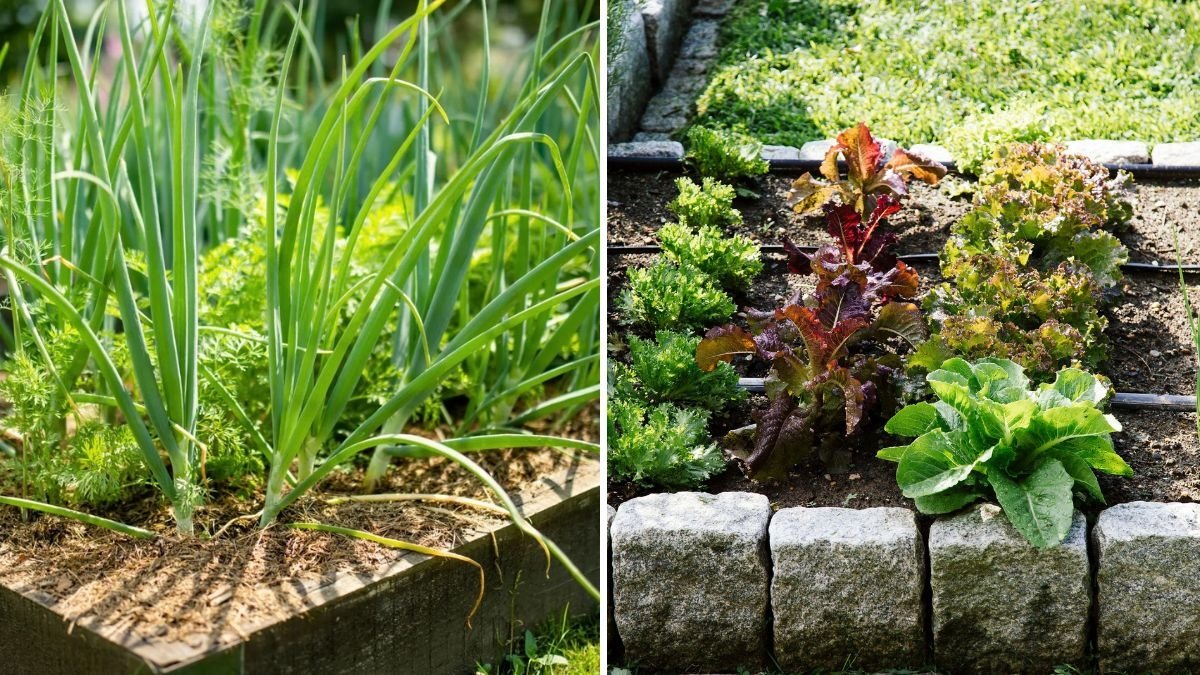
Raised beds are one of the most popular gardening methods for both novice and experienced gardeners. They offer numerous advantages: better soil drainage, improved soil quality, easier access, and enhanced plant health. Despite their benefits, beginners often make mistakes that can compromise the productivity and longevity of raised beds. Understanding these common pitfalls and how to avoid them is key to building successful, thriving raised bed gardens.
This article explores the most frequent mistakes beginners make with raised beds, why they happen, and actionable strategies to overcome them for a bountiful harvest.
1. Choosing the Wrong Location
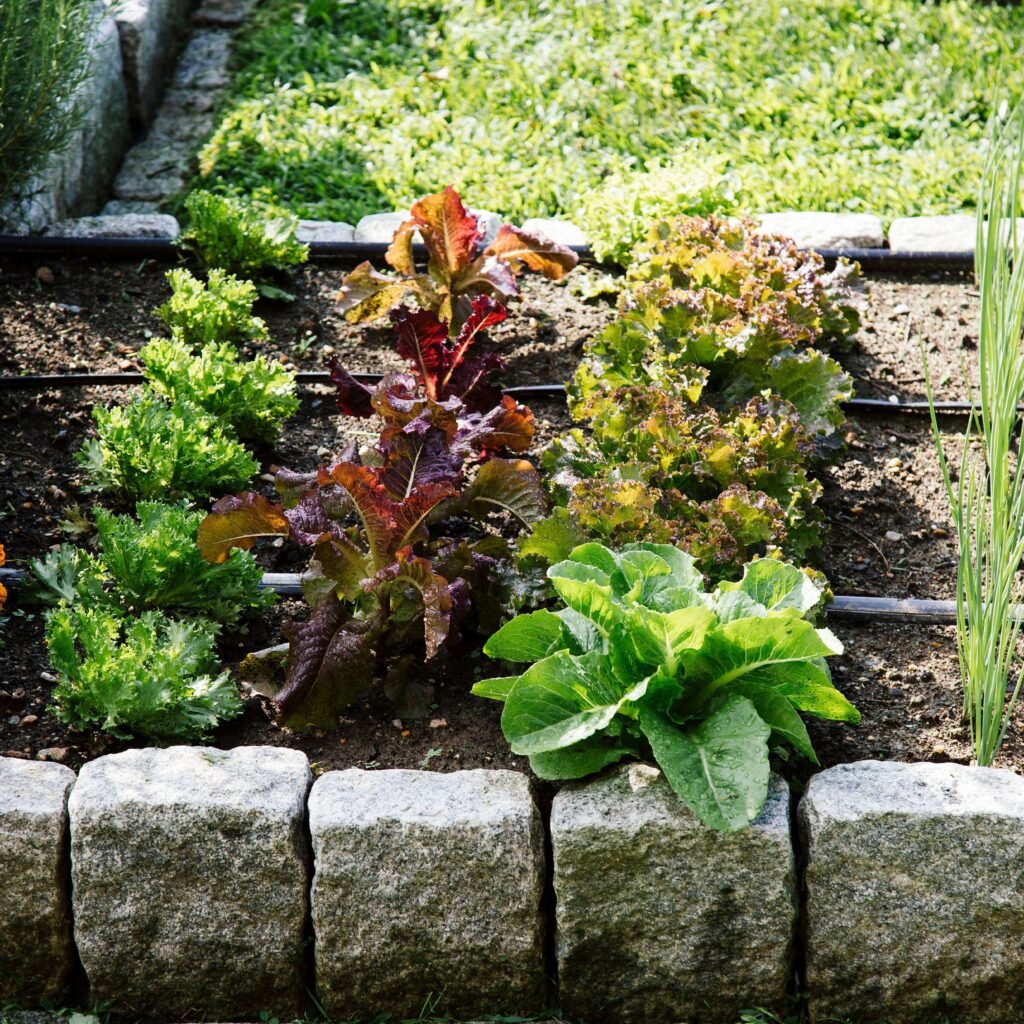
The Problem:
Many beginners overlook the importance of bed placement, often choosing locations that are convenient rather than optimal for plant growth. The wrong location can limit sunlight, increase soil erosion, or make access difficult.
Effects on Plant Growth:
- Insufficient sunlight slows photosynthesis, reducing plant growth and fruiting.
- Poor drainage or low spots can lead to waterlogged soil and root rot.
- High-wind areas can damage plants and dry out soil quickly.
Solution:
- Sunlight: Most vegetables need 6–8 hours of direct sunlight daily. Choose a south- or west-facing location if possible.
- Access: Place beds where you can easily reach all sides for watering, weeding, and harvesting.
- Protection: Consider natural windbreaks or fencing to shield plants.
Choosing the right location sets the foundation for a productive raised bed garden.
2. Using Poor Soil
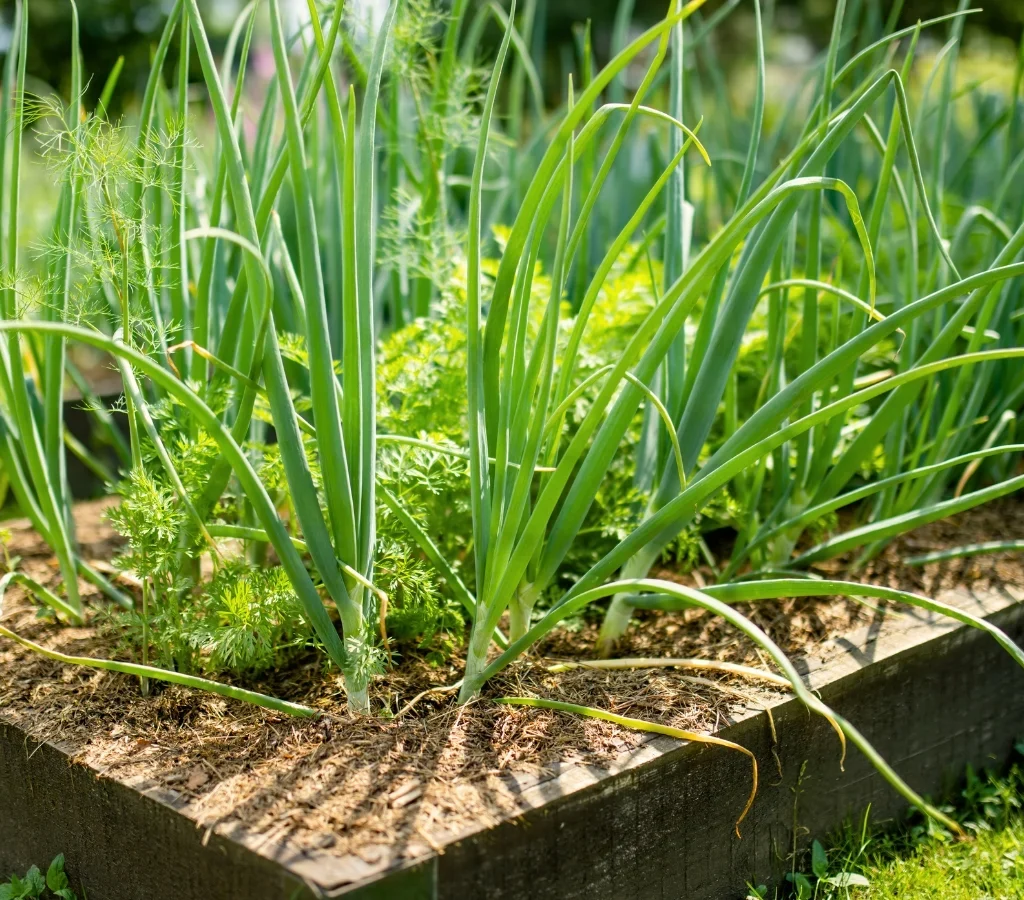
The Problem:
Beginners often assume that any garden soil will work for raised beds. However, poor-quality soil—compacted, low in nutrients, or with inappropriate pH—can hinder plant growth.
Effects on Productivity:
- Poor germination and stunted seedlings.
- Reduced fruit and flower production.
- Increased susceptibility to pests and diseases.
Solution:
- Fill raised beds with a high-quality soil mix, such as 60% topsoil, 30% compost, and 10% organic matter (peat moss or coconut coir).
- Test soil pH and adjust if necessary (most vegetables prefer a pH of 6.0–7.0).
- Amend soil annually with compost or organic fertilizers to maintain nutrient levels.
Healthy, well-draining soil is the backbone of a productive raised bed garden.
3. Overcrowding Plants
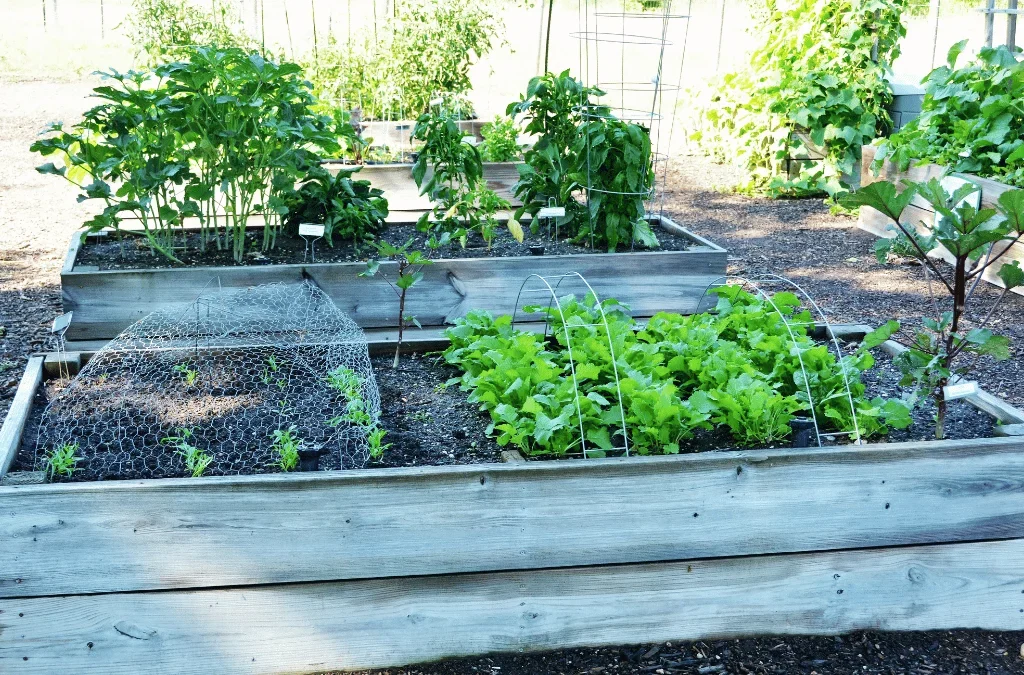
The Problem:
Beginners often plant seeds or seedlings too closely together, thinking that more plants equal more yield. In reality, overcrowding creates competition for light, nutrients, and water, and increases disease risk.
Effects of Overcrowding:
- Stunted growth and smaller fruits.
- Increased humidity, leading to fungal diseases.
- Difficulties in maintenance, such as watering and harvesting.
Solution:
- Follow spacing recommendations for each plant variety.
- Thin seedlings as they grow to maintain proper distance.
- Consider vertical supports for vining crops to save horizontal space.
Correct spacing ensures each plant has the resources it needs for maximum growth and harvest.
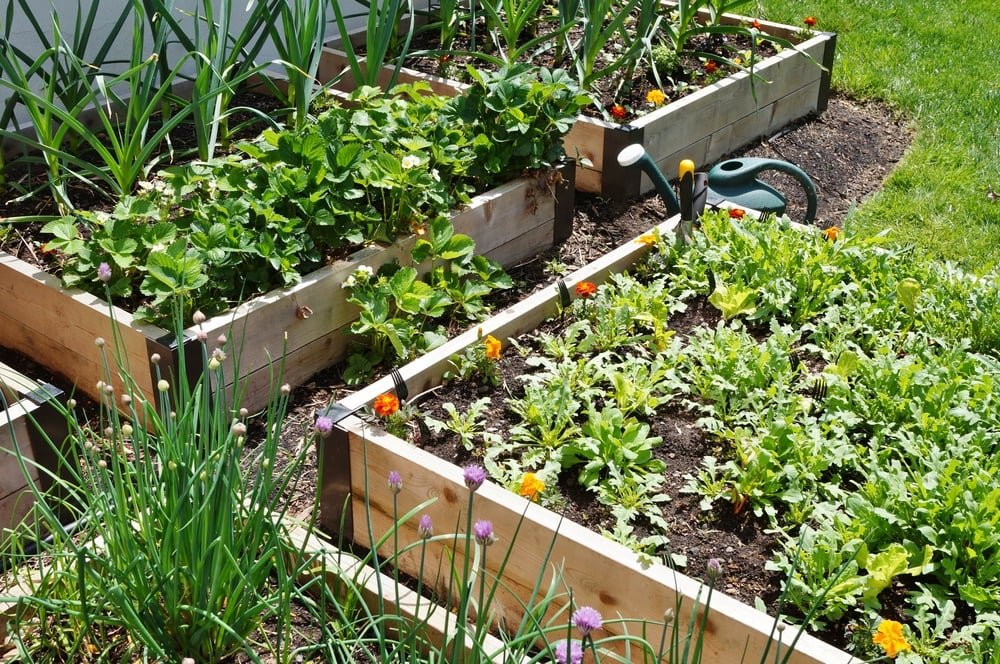
4. Inadequate Watering
The Problem:
Beginners often either overwater or underwater raised beds. Both extremes stress plants and reduce productivity.
Consequences:
- Overwatering can lead to root rot, fungal diseases, and nutrient leaching.
- Underwatering causes wilting, slow growth, and poor fruit set.
- Uneven watering can lead to inconsistent crop development.
Solution:
- Use drip irrigation or soaker hoses for consistent watering.
- Mulch the soil to retain moisture and reduce evaporation.
- Monitor soil moisture regularly; raised beds dry out faster than in-ground gardens.
Proper watering supports healthy root systems, encourages strong growth, and maximizes yields.
5. Neglecting Pest and Disease Management
The Problem:
While raised beds often reduce pest problems compared to in-ground gardens, beginners may assume that pests won’t affect them. In reality, neglecting monitoring and prevention can lead to major losses.
Common Issues:
- Aphids, slugs, and snails damaging leaves and fruits.
- Fungal infections like powdery mildew or blight.
- Rodents or other small animals invading raised beds.
Solution:
- Inspect plants regularly for signs of pests or disease.
- Use organic deterrents such as neem oil, diatomaceous earth, or companion planting.
- Install physical barriers like row covers or fencing to protect crops.
- Practice crop rotation and remove diseased plants promptly.
Active management helps keep raised bed gardens healthy and productive.
6. Building Beds Too Small or Too Large
The Problem:
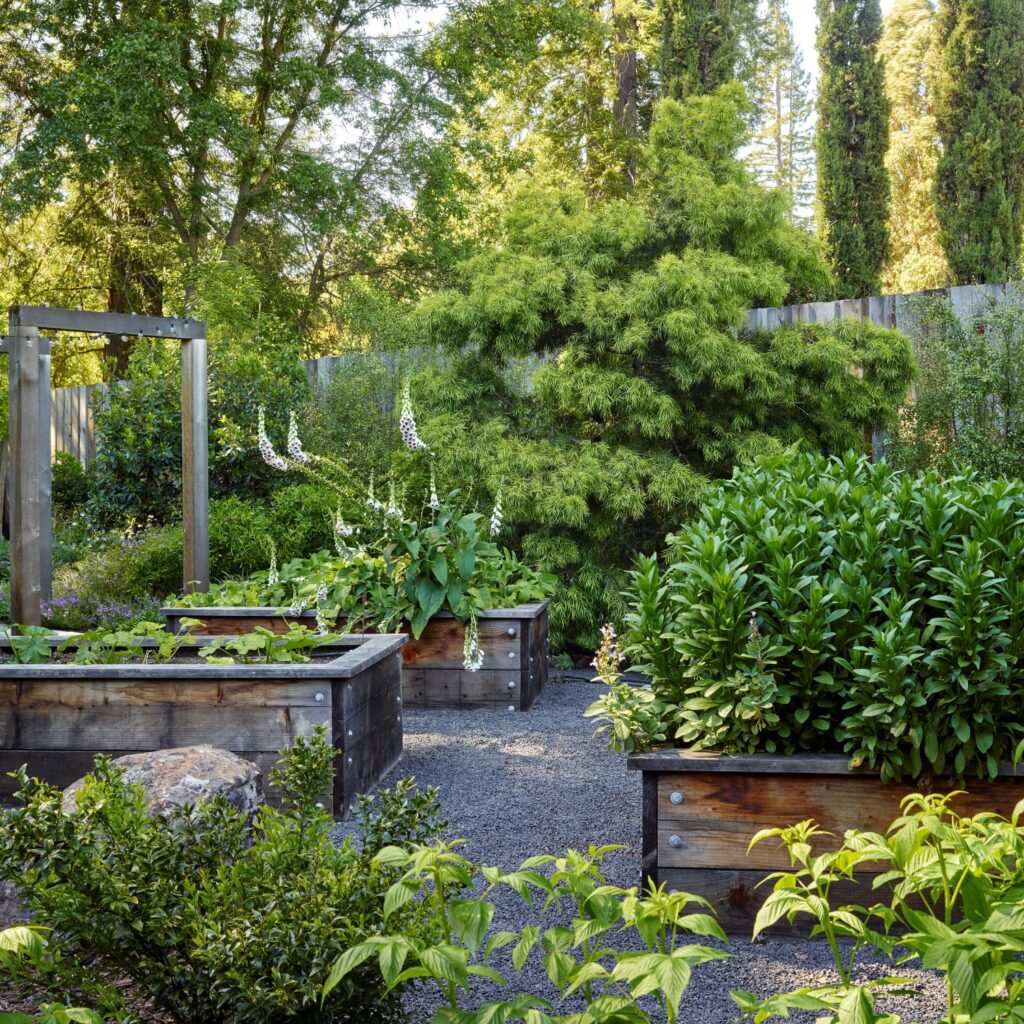
Beginners sometimes misjudge the ideal size of a raised bed. Beds that are too small limit root space and plant variety, while beds that are too large become difficult to maintain efficiently.
Consequences:
- Small beds may restrict growth of larger vegetables.
- Large beds can lead to uneven care, with center plants being harder to reach and maintain.
Solution:
- Standard raised bed dimensions are 4 feet wide (to reach the center easily) and 8–12 feet long.
- Keep bed height around 12–24 inches for optimal drainage and root development.
- Adjust size based on available space, plant types, and accessibility.
Proper dimensions balance productivity with ease of maintenance.
7. Ignoring Crop Rotation and Soil Health
The Problem:
Beginners may plant the same crops in the same bed year after year. This practice depletes nutrients, increases disease risk, and encourages pest buildup.
Consequences:
- Reduced yields over time.
- Soil-borne diseases becoming more prevalent.
- Pest populations growing unchecked.
Solution:
- Practice crop rotation by planting different plant families in each bed each season.
- Incorporate cover crops or green manure to restore soil fertility.
- Regularly amend soil with compost to maintain nutrient levels.
Crop rotation and soil care ensure long-term productivity and garden sustainability.
8. Using Non-Durable Materials
The Problem:
Some beginners construct raised beds with untreated wood, flimsy plastic, or other materials that degrade quickly. Poor materials can warp, rot, or collapse, damaging plants.
Consequences:
- Soil loss and structural instability.
- Increased maintenance or reconstruction costs.
- Potential contamination if treated wood is used improperly.
Solution:
- Use durable materials such as cedar, redwood, or recycled composites.
- Avoid pressure-treated wood that may leach chemicals.
- Ensure proper drainage and secure corners for long-term stability.
Choosing the right materials ensures your raised beds last for many productive seasons.
9. Lack of Mulching
The Problem:
Beginners often neglect mulching, which is essential for moisture retention, weed control, and temperature regulation.
Consequences:
- Soil dries out quickly, requiring frequent watering.
- Weeds compete with vegetables for nutrients and water.
- Soil temperature fluctuations can stress plants and reduce yields.
Solution:
- Apply a 2–3 inch layer of organic mulch such as straw, wood chips, or shredded leaves.
- Replenish mulch as it decomposes over time.
- Mulching improves soil fertility as it breaks down and adds organic matter.
Mulching is a simple yet effective practice that significantly improves raised bed productivity.
10. Lack of Planning
The Problem:
Beginners sometimes start raised beds without planning crop placement, succession planting, or harvesting schedules.
Consequences:
- Overcrowding due to poor planning.
- Inconsistent yields and wasted space.
- Difficulty maintaining the garden efficiently.
Solution:
- Plan your bed layout according to plant size, sunlight needs, and growth patterns.
- Stagger planting times for continuous harvest.
- Keep a garden journal to track successes, failures, and improvements.
Planning is essential for efficient, productive, and manageable raised bed gardening.
Conclusion
Raised beds are an excellent solution for modern gardeners, offering improved soil quality, better drainage, and increased accessibility. However, beginners often encounter common mistakes that limit productivity and harvests. These include:
- Choosing the wrong location.
- Using poor soil.
- Overcrowding plants.
- Inadequate watering.
- Neglecting pest and disease management.
- Incorrect bed size.
- Ignoring crop rotation and soil health.
- Using non-durable materials.
- Lack of mulching.
- Lack of planning.
By understanding and avoiding these pitfalls, gardeners can create healthy, productive raised bed gardens that provide abundant vegetables, herbs, and flowers. Thoughtful planning, proper materials, adequate spacing, consistent watering, and attentive care are the keys to raised bed success, ensuring both high yields and enjoyable gardening experiences for years to come.

Leave A Comment