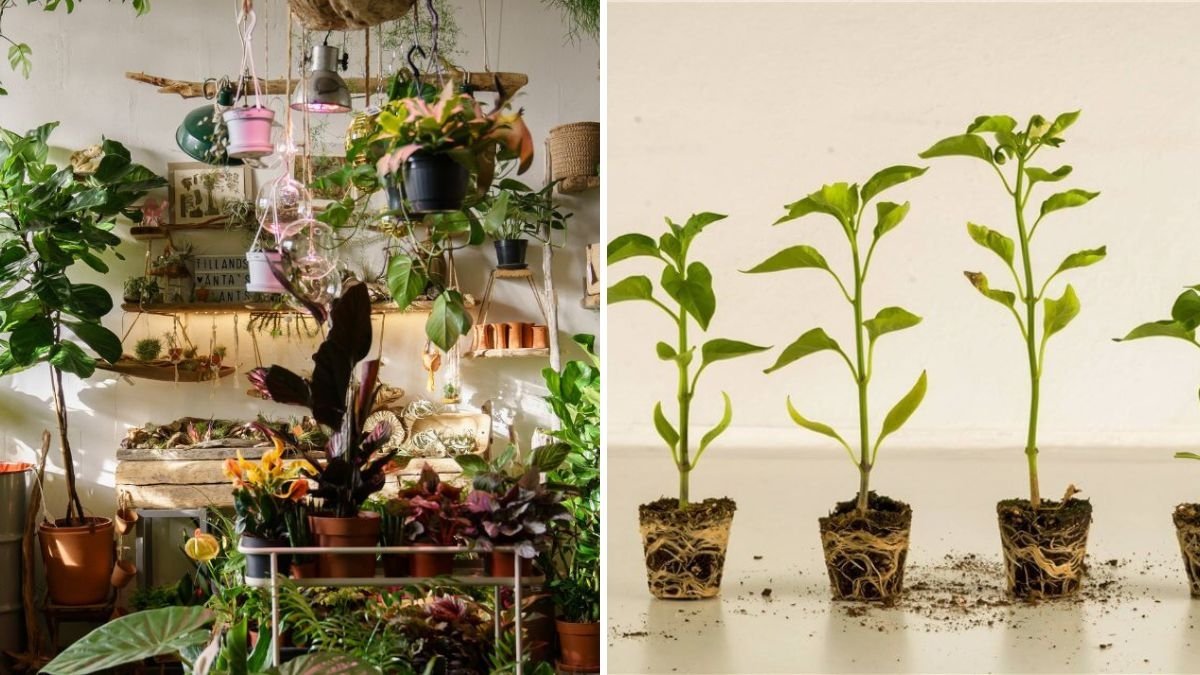
A lush, green garden is a source of pride for any gardener. However, one common mistake that can sabotage even the most carefully planned garden is overcrowding plants. While it may seem logical to plant as much as possible to maximize yield, overcrowding can have the opposite effect, leading to stunted growth, reduced fruit and flower production, and increased vulnerability to pests and diseases.
Understanding the science behind plant spacing and the consequences of overcrowding is crucial for achieving healthy, high-yielding crops. This article explores the reasons overcrowded plants fail to thrive, the biological mechanisms at play, and strategies to optimize plant spacing for maximum harvests.
1. Competition for Light

The Problem:
Plants rely on sunlight to perform photosynthesis—the process that converts light into energy for growth. When plants are too close together, they compete for sunlight, with taller or faster-growing plants overshadowing smaller ones.
Effects on Harvest:
- Reduced photosynthesis in shaded plants.
- Slower growth and weaker stems.
- Smaller or fewer flowers and fruits due to insufficient energy.
Example:
Tomatoes planted too closely may have large foliage, but lower branches remain shaded, producing fewer flowers and fruits. Leafy greens like spinach or lettuce may become leggy, with pale, stretched leaves.
Solution:
- Follow recommended spacing guidelines for each plant variety.
- Use vertical growing solutions for vining plants to reduce shading.
- Prune overcrowded foliage to improve light penetration.
Proper light exposure ensures each plant can produce energy efficiently, supporting better growth and harvest.
2. Nutrient and Water Competition

The Problem:
Plants absorb nutrients and water from the soil through their roots. When multiple plants share the same limited soil space, they compete for essential nutrients and water, resulting in poor growth for some or all plants.
Consequences:
- Slower development and stunted plants.
- Reduced flowering and fruiting.
- Increased susceptibility to stress and disease.
Signs of Nutrient Competition:
- Yellowing leaves (nitrogen deficiency).
- Poor fruit set or small fruits.
- Wilting despite adequate watering (root competition).
Solution:
- Plant according to spacing recommendations to give roots room to spread.
- Enrich soil with compost or organic fertilizer to ensure nutrient availability.
- Use drip irrigation or soaker hoses to evenly distribute water to all plants.
By reducing competition, each plant receives sufficient nutrients and water for optimal growth.
3. Poor Air Circulation

The Problem:
Overcrowded plants limit airflow between leaves and stems, creating a humid microclimate that encourages the development of fungal and bacterial diseases.
Common Diseases Caused by Poor Airflow:
- Powdery mildew on cucumbers or squash.
- Early blight in tomatoes.
- Leaf spot in leafy greens.
Effects on Harvest:
- Diseased plants produce fewer flowers and fruits.
- Leaves may die prematurely, reducing photosynthetic capacity.
- Fruits may be small, deformed, or rot quickly.
Solution:
- Maintain adequate spacing for air circulation.
- Remove or prune excess foliage to improve airflow.
- Plant in rows aligned with prevailing winds to enhance natural ventilation.
Good air circulation keeps leaves dry and healthy, reducing the risk of disease and supporting consistent yields.
4. Pest Infestation

The Problem:
Dense planting provides shelter and easy access for pests, making it easier for infestations to spread quickly. Common garden pests like aphids, spider mites, and whiteflies thrive in crowded conditions.
Effects on Harvest:
- Leaves and fruits are damaged or consumed by pests.
- Flowers may fail to set fruit due to stress.
- Overall plant vigor decreases, limiting yield.
Solution:
- Space plants adequately to reduce pest hiding spots.
- Introduce natural predators like ladybugs or lacewings.
- Monitor plants regularly and remove infested leaves promptly.
A well-spaced garden discourages pest buildup and helps maintain healthy plants capable of producing abundant harvests.
5. Root Competition
The Problem:
Roots need space to absorb water and nutrients efficiently. Overcrowding causes roots to compete for limited soil volume, which can restrict root growth and reduce overall plant health.
Effects on Harvest:
- Plants may develop shallow or weak roots.
- Nutrient uptake is impaired, leading to smaller fruits and flowers.
- Drought stress becomes more severe due to limited root systems.
Solution:
- Use raised beds or container gardens to provide sufficient root space.
- Follow recommended planting distances based on the mature size of the plant.
- Thin seedlings to avoid overcrowding as plants mature.
Strong root systems are essential for nutrient uptake, water absorption, and overall plant productivity.
6. Energy Diversion

The Problem:
In crowded conditions, plants allocate energy to outcompete neighbors—growing taller, spreading leaves, or extending roots—instead of producing flowers and fruits.
Consequences:
- Excessive vegetative growth with minimal flowering.
- Smaller, fewer fruits or seeds.
- Delayed harvest times.
Solution:
- Thin plants early in development to allow each plant to reach full potential.
- Provide support for climbing plants to reduce energy spent competing for light.
- Fertilize appropriately to meet the growth needs of all plants.
When plants have room to grow without competition, energy is efficiently channeled into reproductive structures, increasing yield.
Practical Strategies to Avoid Overcrowding
- Follow Seed Packet Instructions: Always refer to the recommended spacing for each plant variety.
- Thin Seedlings: After germination, remove weaker seedlings to give remaining plants sufficient space.
- Use Vertical Gardening: Trellises, cages, and vertical planters save space and reduce horizontal competition.
- Succession Planting: Stagger plantings over time to maintain a manageable plant density.
- Companion Planting: Combine complementary plants that occupy different soil levels or canopy heights to maximize space without overcrowding.
By planning garden layout strategically, you can optimize space, reduce stress, and boost harvest quality and quantity.
Signs Your Garden Is Overcrowded
- Slow-growing plants with pale leaves.
- Small or misshapen fruits.
- Dense foliage with minimal airflow.
- Increased pest or disease problems.
- Delayed flowering or poor fruit set.
Recognizing these signs early allows you to thin plants or adjust spacing before harvest is significantly impacted.
Conclusion
Overcrowding is one of the most common yet preventable causes of poor harvests. The five primary reasons overcrowded plants fail to thrive are:
- Competition for light – leading to weaker growth and reduced photosynthesis.
- Nutrient and water competition – limiting energy available for flowers and fruits.
- Poor air circulation – increasing susceptibility to disease.
- Pest infestation – providing ideal conditions for rapid spread.
- Root competition – restricting nutrient and water uptake.
By understanding the biological mechanisms behind overcrowding, gardeners can make informed decisions about spacing, pruning, and plant selection. Proper spacing not only improves the health and vigor of individual plants but also ensures higher yields, better quality fruits and vegetables, and a more enjoyable gardening experience.
Whether you are cultivating vegetables, herbs, or flowers, giving your plants room to grow is one of the simplest yet most effective ways to maximize your harvest and create a thriving, sustainable garden.

Leave A Comment