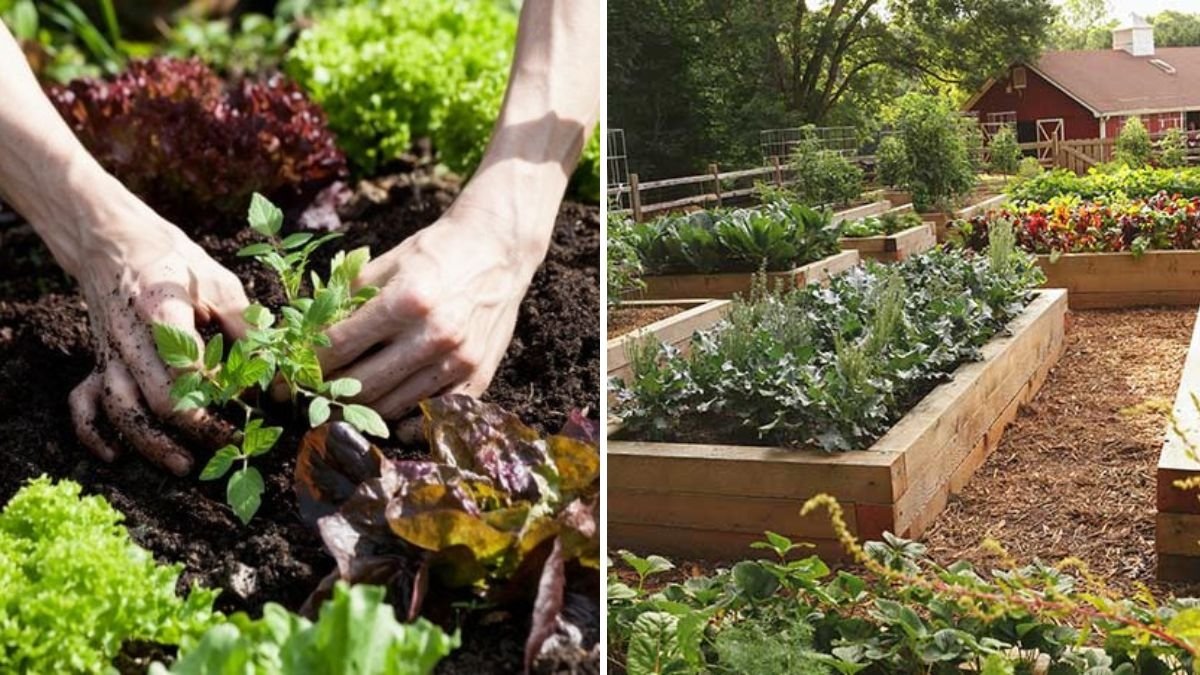
Gardening is both a science and an art. While many beginners focus on planting the same favorite vegetables in the same spots year after year, experienced gardeners know that crop rotation is essential for long-term soil health and high yields. Crop rotation is the practice of planting different types of crops in a particular order over successive seasons. This age-old technique has profound benefits for soil fertility, pest and disease management, and overall garden productivity.
This article explores why rotating crops every year is crucial, the science behind it, and practical strategies for implementing an effective crop rotation system.
1. Prevents Soil Nutrient Depletion

The Problem:
Different plants consume different nutrients from the soil. Continuously planting the same crop in the same spot leads to nutrient depletion, where the soil becomes deficient in the elements required for that plant’s growth.
Examples:
- Leafy greens like lettuce and spinach deplete nitrogen.
- Root vegetables like carrots and beets draw heavily on potassium.
- Fruiting plants like tomatoes and peppers consume phosphorus.
Effect on Harvest:
- Smaller, less vigorous plants.
- Lower yields and poor-quality fruits or vegetables.
- Increased susceptibility to stress and disease.
Solution:
- Rotate crops from different plant families each season to balance nutrient usage.
- Follow a sequence like: legumes → leafy greens → fruiting crops → root vegetables.
- Supplement soil with organic matter or compost after each rotation to restore fertility.
Crop rotation ensures that the soil retains a balanced nutrient profile, supporting healthy, productive plants year after year.
2. Reduces Soil-Borne Diseases
The Problem:
Many pathogens, such as fungi, bacteria, and nematodes, persist in the soil. Planting the same crop repeatedly allows these diseases to build up in the soil, increasing the risk of infection.
Common Examples:
- Tomatoes and potatoes are prone to early blight and late blight.
- Cucumbers, melons, and squash can harbor powdery mildew or root rot pathogens.
- Carrots may be affected by root-knot nematodes.
Effect on Harvest:
- Diseased plants produce fewer flowers and fruits.
- Infected crops may die prematurely, leading to significant yield loss.
Solution:
- Rotate crops to a different family each year to break the disease cycle.
- Use disease-resistant varieties when possible.
- Incorporate crop residues into compost rather than leaving them in the garden.
Regular rotation is a natural and effective strategy to reduce soil-borne diseases without relying on chemicals.
3. Controls Pest Populations

The Problem:
Pests often specialize in certain plant families. Continuously planting the same crops in the same location allows pest populations to multiply rapidly, causing severe damage.
Examples:
- Aphids and whiteflies target solanaceous plants like tomatoes, peppers, and eggplants.
- Cabbage worms thrive on brassicas, such as cabbage, broccoli, and kale.
- Root maggots attack carrots, radishes, and other root crops.
Effect on Harvest:
- Increased leaf and fruit damage.
- Reduced plant vigor and yields.
- Greater need for pest control measures.
Solution:
- Rotate crops so that pests cannot easily find their preferred host plants.
- Mix in companion plants that repel pests or attract beneficial insects.
- Maintain clean garden beds to reduce overwintering pest populations.
By rotating crops, gardeners disrupt pest life cycles and minimize infestations naturally.
4. Improves Soil Structure

The Problem:
Growing the same crop repeatedly can impact soil structure, especially if certain crops are heavy feeders or have similar root patterns. Over time, this can lead to compacted soil and poor drainage.
Examples:
- Root vegetables can loosen soil in one season but compact it if planted repeatedly.
- Heavy feeders like corn or tomatoes may deplete organic matter quickly, reducing soil tilth.
Effect on Harvest:
- Shallow root systems.
- Poor water retention or excessive waterlogging.
- Uneven growth and reduced yields.
Solution:
- Rotate crops with different root systems to naturally aerate and improve soil structure.
- Alternate deep-rooted and shallow-rooted plants.
- Incorporate cover crops or green manure to maintain soil health.
Healthy soil structure enhances water infiltration, root development, and nutrient availability, ensuring better harvests.
5. Encourages Biodiversity

The Problem:
Monoculture—growing the same crop repeatedly—limits biodiversity in both the soil and aboveground ecosystem. A lack of diversity can make your garden more vulnerable to disease, pests, and nutrient imbalances.
Benefits of Crop Rotation:
- Supports a diverse microbial community in the soil.
- Encourages beneficial insects and pollinators.
- Reduces the likelihood of widespread crop failure.
Effect on Harvest:
- Higher resilience against environmental stress.
- Better-quality fruits and vegetables.
- Reduced dependence on chemical fertilizers and pesticides.
Solution:
- Rotate crops by plant family or function (leafy greens, root crops, legumes, fruiting plants).
- Introduce cover crops or flowers between vegetable rows.
- Maintain habitat for beneficial insects like ladybugs, lacewings, and pollinators.
Biodiversity strengthens the overall ecosystem of your garden, promoting sustainable and productive harvests.
6. Enhances Soil Fertility Naturally

The Problem:
Some crops, particularly heavy feeders, deplete essential nutrients from the soil. Without rotation, you may need to rely heavily on synthetic fertilizers, which can disrupt soil ecology.
Examples:
- Leafy greens consume large amounts of nitrogen.
- Root crops extract potassium and phosphorus from deeper soil layers.
- Repeated planting of the same crop depletes micronutrients like magnesium and calcium.
Effect on Harvest:
- Reduced crop quality and size.
- Greater vulnerability to stress, disease, and pests.
- Long-term soil degradation.
Solution:
- Include legumes like beans, peas, or clover in your rotation. These plants naturally fix nitrogen in the soil.
- Alternate heavy feeders with light feeders to allow the soil to recover.
- Add compost or organic amendments at the end of each season to restore nutrients.
Crop rotation is a natural method of fertility management, reducing reliance on chemical inputs while maintaining soil health.
Practical Crop Rotation Strategies
- Four-Year Rotation Plan:
- Year 1: Legumes (peas, beans)
- Year 2: Leafy greens (lettuce, spinach, kale)
- Year 3: Fruiting vegetables (tomatoes, peppers, eggplants)
- Year 4: Root crops (carrots, beets, radishes)
- Intercropping: Plant different families together in the same bed for complementary nutrient use and pest control.
- Cover Crops: Between main crops, grow cover crops such as clover, rye, or buckwheat to restore nutrients and improve soil structure.
- Record Keeping: Maintain a garden journal to track rotations, harvests, and soil amendments to plan effectively for the next season.
Implementing these strategies ensures consistent yields, healthy plants, and long-term garden sustainability.
Conclusion
Crop rotation is more than a traditional gardening practice—it is a scientific strategy that safeguards soil health, plant productivity, and garden resilience. The six key reasons to rotate crops every year are:
- Prevents soil nutrient depletion by balancing nutrient usage among plant families.
- Reduces soil-borne diseases by breaking pathogen cycles.
- Controls pest populations naturally.
- Improves soil structure by alternating root systems.
- Encourages biodiversity in both soil and aboveground ecosystems.
- Enhances soil fertility naturally, reducing the need for chemical fertilizers.
By rotating crops thoughtfully, gardeners can maximize yields, reduce garden stress, and promote sustainable practices. Whether you grow vegetables, herbs, or flowers, incorporating crop rotation into your gardening routine ensures a healthy, productive, and resilient garden for years to come.

Leave A Comment