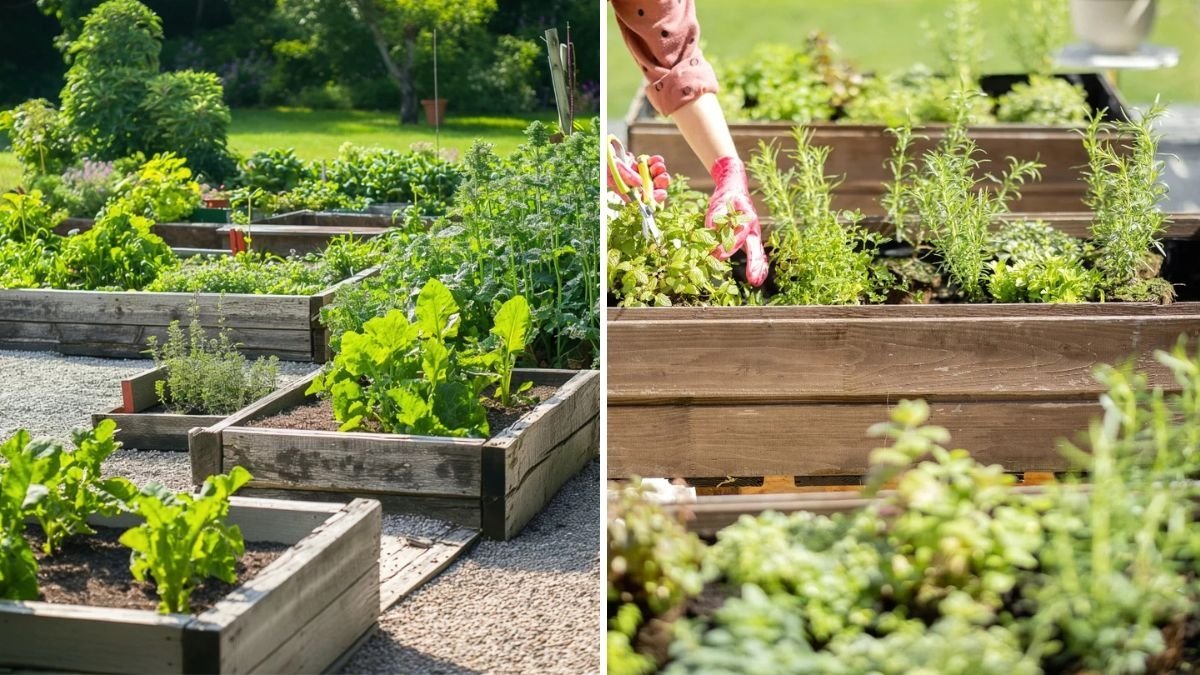
In recent years, raised bed gardening has emerged as one of the most popular methods for growing vegetables, fruits, and flowers. Gardeners around the world are discovering that raised beds produce healthier crops, higher yields, and a more manageable gardening experience compared to traditional in-ground gardening. But what makes raised beds so effective, and why should gardeners consider making the switch?
This article explores the science and practical benefits of raised beds, explaining why they often outperform in-ground gardens and how to maximize their potential for healthier, more productive crops.
1. What Are Raised Beds?

A raised bed is essentially a garden bed built above the natural soil level, typically framed with wood, stone, brick, or recycled materials. The bed is then filled with high-quality soil and compost, creating a controlled environment for plants to thrive.
Typical dimensions:
- Height: 6–24 inches (some deeper for root vegetables).
- Width: 3–4 feet (to allow easy access from both sides).
- Length: Flexible, depending on space and design.
Raised beds are designed to optimize soil conditions, drainage, and plant accessibility, offering gardeners full control over the growing environment.
2. Superior Soil Conditions

One of the primary reasons raised beds produce healthier crops is soil quality. Unlike in-ground gardens, where soil can be heavy, compacted, or nutrient-poor, raised beds allow gardeners to create the ideal soil mix.
Benefits of Raised Bed Soil:
- Improved Drainage: Raised beds prevent waterlogging, which can suffocate roots and promote disease.
- Custom Soil Composition: You can mix loam, compost, sand, and organic matter to suit the crops you’re growing.
- Better Aeration: Loose, well-drained soil encourages strong root growth and nutrient uptake.
- Reduced Soil Compaction: Elevated beds limit foot traffic, keeping the soil fluffy and ideal for plant roots.
By controlling soil composition, raised beds provide plants with a rich, well-draining, and nutrient-dense environment, which directly translates to healthier growth and better yields.
3. Enhanced Root Growth
Strong root systems are crucial for plant health, nutrient uptake, and stress resilience. Raised beds promote deeper and more vigorous root growth compared to compacted in-ground soil.
- Roots can spread freely in loose, well-aerated soil.
- Better drainage prevents root rot caused by standing water.
- Deep, healthy roots allow plants to access more nutrients and water during dry spells.
Crops with robust roots tend to produce stronger foliage, larger fruits, and higher overall yields, making raised beds a key factor in healthier gardening.
4. Better Drainage and Reduced Disease Risk

Water management is often a challenge in traditional in-ground gardens. Poor drainage can lead to root rot, fungal infections, and stunted growth.
Raised beds solve this problem by:
- Elevating soil above the surrounding ground, allowing excess water to drain freely.
- Preventing soil-borne diseases from spreading, since you can start with pathogen-free soil.
- Creating a microclimate that dries faster after rain, reducing the risk of fungal infections like blight and mildew.
By reducing water stress and disease exposure, raised beds produce crops that are healthier, more resilient, and less prone to pests and pathogens.
5. Extended Growing Season

Raised beds can warm up faster in spring and cool down slower in fall, giving gardeners an extended growing season compared to in-ground gardens.
- Elevated soil absorbs heat from sunlight more efficiently.
- Improved drainage prevents water from freezing around roots in early spring.
- Cold frames or row covers over raised beds can further protect plants from frost.
An extended growing season allows for earlier planting, more harvests, and healthier crops with uninterrupted growth cycles.
6. Easier Pest and Weed Control

Raised beds give gardeners greater control over weeds and pests, which significantly impacts plant health.
Weed Control Advantages:
- High-quality soil often comes weed-free initially.
- Mulching raised beds is easier, suppressing weed growth naturally.
- Narrow bed design allows easy hand-weeding without disturbing surrounding soil.
Pest Management:
- Elevated beds deter ground-dwelling pests like slugs and snails.
- Frames or netting can be added to protect crops from insects and small animals.
- Controlled soil reduces the risk of nematode infestations common in poor in-ground soil.
By minimizing competition and stress from weeds and pests, raised beds allow crops to focus on growth and fruit production, enhancing overall plant health.
7. Controlled Fertility and Nutrient Management
Plants grow healthiest when soil fertility is optimal. In in-ground gardens, nutrients can be uneven or depleted by repeated planting. Raised beds allow precise control over soil fertility:
- Add compost, manure, and organic fertilizers to replenish nutrients.
- Rotate crops annually to maintain soil balance and reduce disease risk.
- Adjust pH levels and micronutrients to match specific crop needs.
This targeted nutrient management ensures strong, vibrant plants that yield more and resist stress.
8. Improved Accessibility and Maintenance
Raised beds are more ergonomic and accessible, making gardening easier and reducing physical strain.
- Gardeners can plant, weed, water, and harvest without bending excessively.
- Easy access encourages regular care, leading to healthier crops.
- Containers or smaller raised beds can be ideal for urban gardening or limited spaces.
Consistent maintenance is key to plant health, and raised beds make this task simpler and more effective.
9. Encouraging Biodiversity and Companion Planting
Raised beds facilitate intentional garden design, allowing for companion planting and biodiversity.
- Mix crops to improve soil fertility and deter pests naturally.
- Use succession planting to maximize productivity throughout the growing season.
- Incorporate flowers and herbs to attract pollinators and beneficial insects.
A well-designed raised bed ecosystem promotes healthier crops through natural pest control and improved pollination, enhancing both yield and quality.
10. Sustainability and Long-Term Benefits
Raised beds are not only productive but also environmentally sustainable:
- Reduce soil erosion, which is common in poorly managed in-ground gardens.
- Enable water conservation through better irrigation and mulching.
- Reduce the need for chemical fertilizers and pesticides through improved soil health and companion planting.
- Provide a long-term, reusable gardening structure that can last for decades.
By investing in raised beds, gardeners create a sustainable growing system that supports plant health and environmental stewardship.
Conclusion: Healthier Crops Through Better Control
Raised beds offer gardeners unmatched control over soil, water, nutrients, and plant spacing, resulting in healthier, more productive crops compared to traditional in-ground gardens. From improved drainage and root development to enhanced disease resistance and easier maintenance, the benefits are clear.
Whether you are growing vegetables, fruits, or herbs, raised beds provide a superior growing environment, maximize yields, and ensure vibrant, nutritious harvests year after year. By adopting raised beds, gardeners can create a more sustainable, efficient, and enjoyable gardening experience, proving that elevating your garden literally elevates plant health and productivity.

Leave A Comment