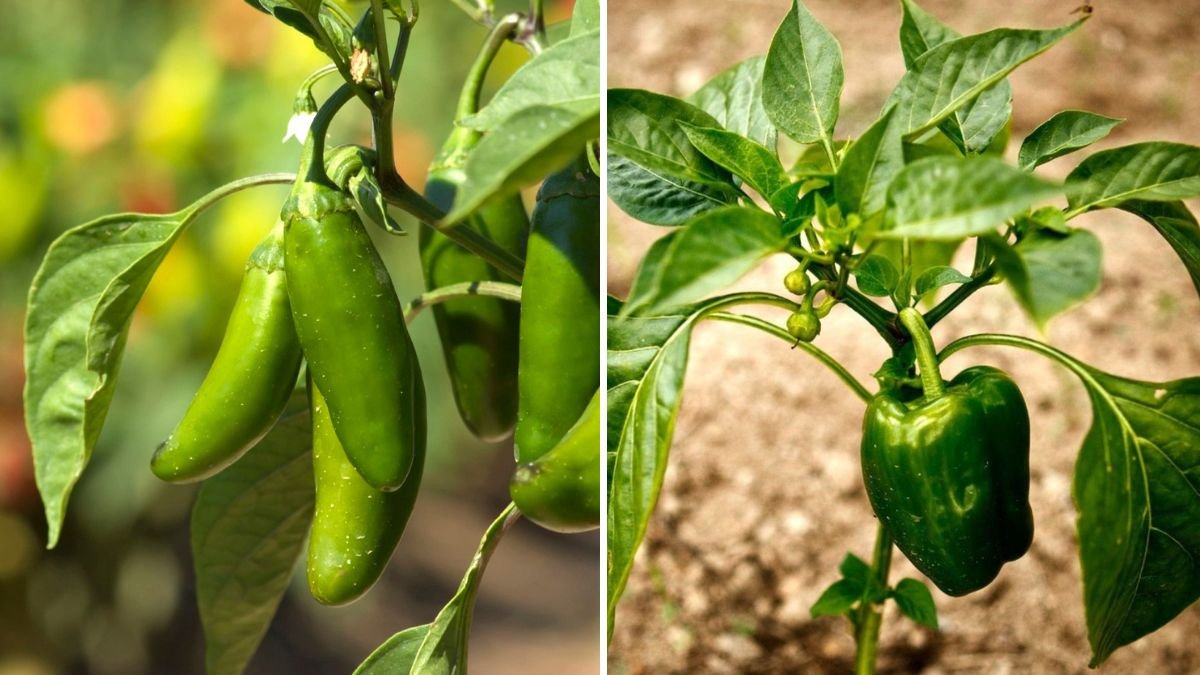
Growing peppers—whether bell peppers, chili peppers, or sweet peppers—can be highly rewarding. Vibrant green plants, colorful fruits, and rich flavors make them a favorite in home gardens. Yet, many gardeners face a common frustration: healthy-looking pepper plants that refuse to produce fruit. Understanding the underlying causes is key to turning lush foliage into a bountiful harvest.
In this guide, we’ll explore the most common reasons pepper plants fail to set fruit, backed by expert insights, and provide practical strategies to encourage a fruitful harvest.
1. Improper Temperature
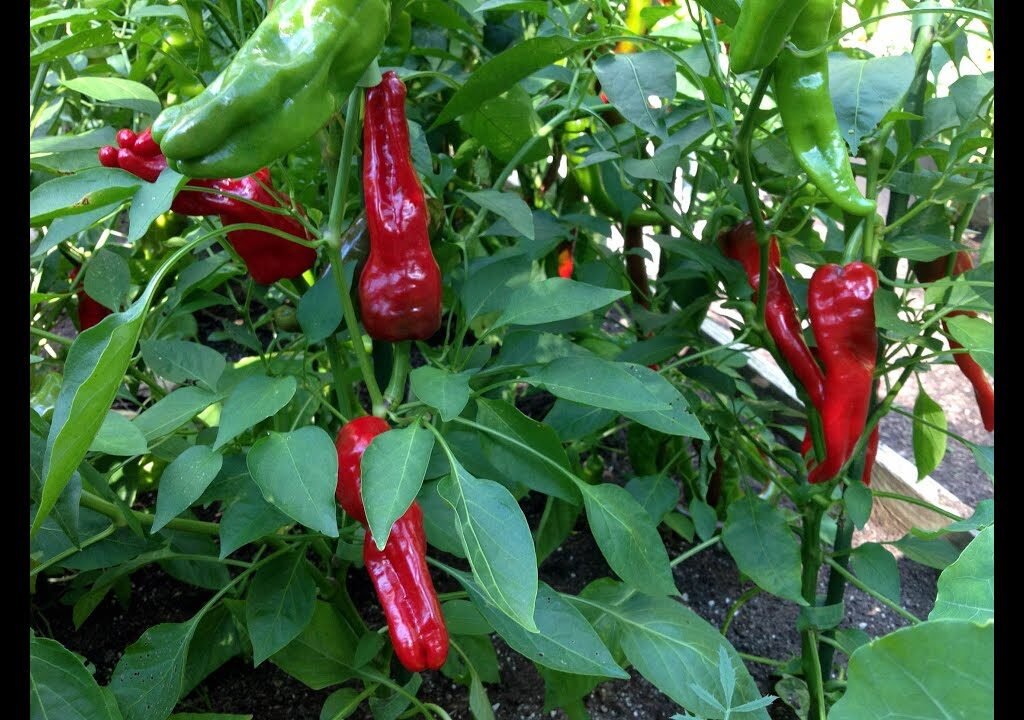
Why It Happens
Peppers are warm-season crops that thrive within a specific temperature range. They are sensitive to both heat and cold.
- Cold temperatures (<60°F/15°C) slow growth and prevent flowering.
- High temperatures (>85°F/29°C during the day or >70°F/21°C at night) can cause flowers to drop or fail to develop fruit.
How to Fix It
- Start seeds indoors 6–8 weeks before the last frost to give plants a head start.
- Use row covers or greenhouses to maintain optimal temperature early in the season.
- Provide shade cloths during heat waves to prevent flower drop.
- Plant heat-tolerant varieties if summer temperatures are consistently high.
Tip: Monitor local weather patterns and adjust planting dates accordingly.
2. Lack of Pollination
Why It Happens
Peppers require pollination for fruit production. While some varieties are self-pollinating, poor pollination can lead to blossom drop and low fruit set. Factors affecting pollination include:
- Insufficient insect activity
- Excessive humidity
- Strong winds or heavy rain
How to Fix It
- Encourage pollinators: Plant flowers nearby that attract bees, butterflies, and other beneficial insects.
- Hand-pollinate: Use a small brush or gently shake flowers to transfer pollen.
- Avoid high nitrogen fertilizers during flowering, which can promote leaf growth over flowers.
Tip: Even a few bees visiting the garden regularly can drastically increase fruit set.
3. Excessive Nitrogen
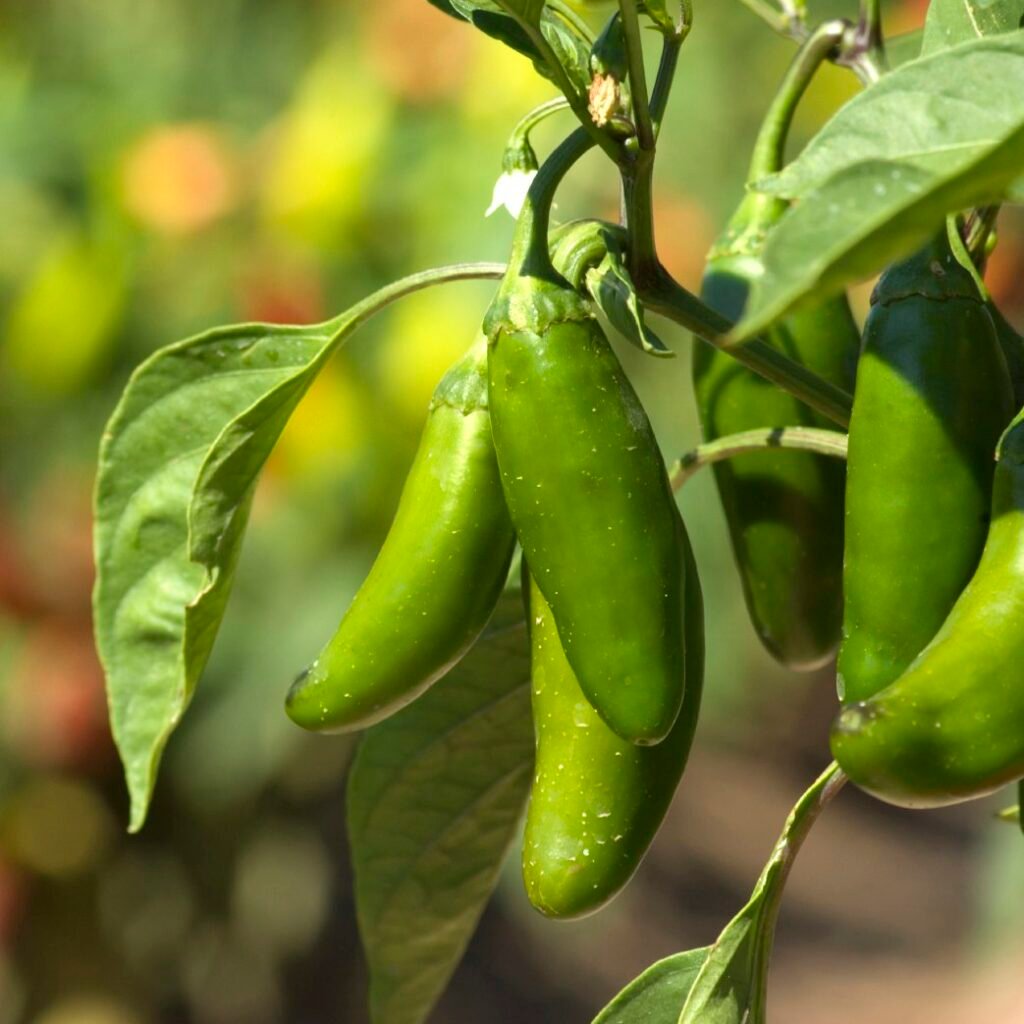
Why It Happens
Nitrogen is essential for growth, but too much nitrogen encourages lush, green foliage at the expense of flowers and fruit. Plants may appear healthy yet produce few blossoms.
How to Fix It
- Use a balanced fertilizer with a moderate nitrogen content (look for N-P-K ratios like 5-10-10).
- Apply fertilizers after flowering begins to support fruit development.
- Incorporate organic matter such as compost to improve nutrient balance without over-fertilizing.
Tip: Observe leaf color and growth—dark green, excessive foliage often signals too much nitrogen.
4. Water Stress
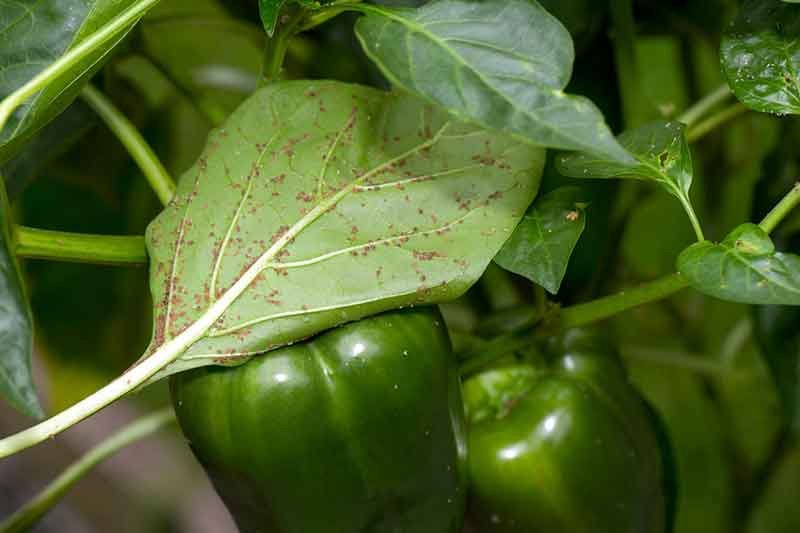
Why It Happens
Both overwatering and underwatering can prevent peppers from setting fruit. Inconsistent moisture stresses plants, leading to blossom drop and fruit loss.
How to Fix It
- Maintain even, consistent soil moisture without waterlogging.
- Use drip irrigation or soaker hoses to water at the base, avoiding wet foliage.
- Mulch around plants to retain soil moisture and regulate temperature.
Tip: Check soil daily during heat waves—peppers need slightly moist but not soggy soil for optimal flowering.
5. Plant Stress
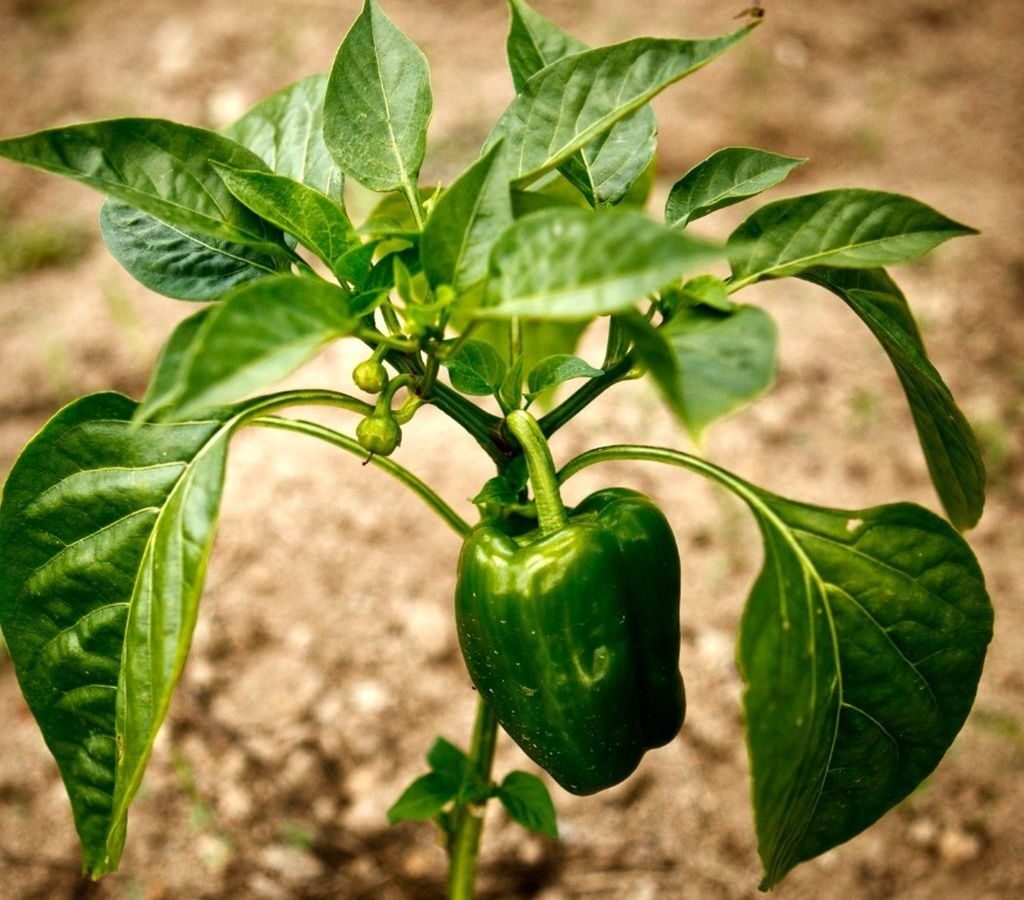
Why It Happens
Peppers are sensitive to stress. Even minor shocks can prevent fruiting. Common stressors include:
- Transplant shock from moving seedlings
- Physical damage to stems or roots
- Pest infestations or diseases
How to Fix It
- Handle seedlings carefully when transplanting, and water immediately after planting.
- Remove any damaged or diseased leaves promptly.
- Protect plants from pests such as aphids, whiteflies, and caterpillars with natural control methods.
Tip: Healthy, unstressed plants are more likely to flower and set fruit consistently.
6. Pruning and Plant Care
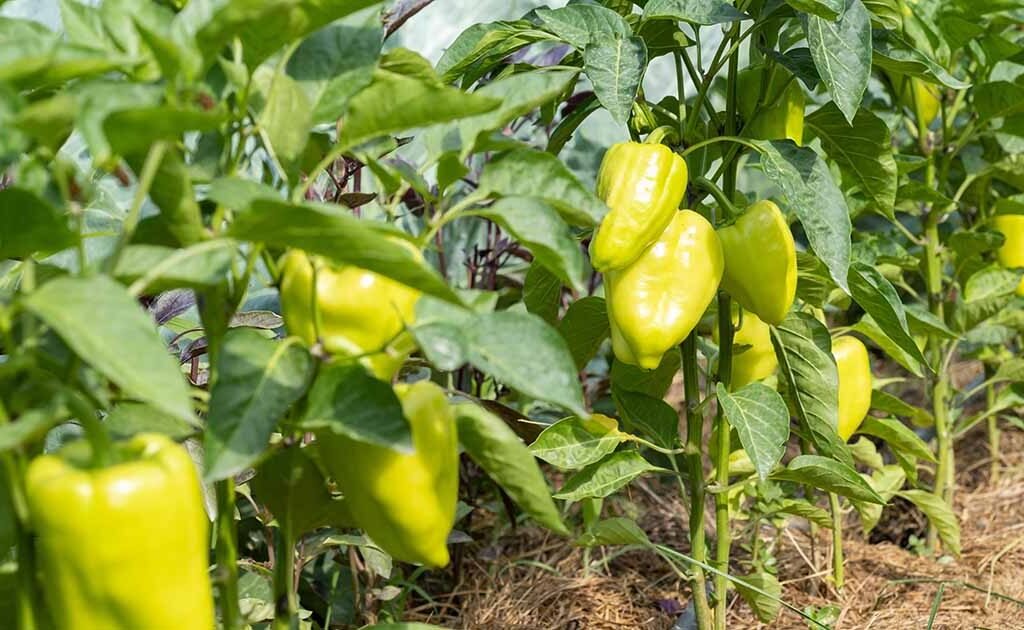
Why It Happens
Overgrown pepper plants may devote too much energy to foliage instead of producing flowers and fruit. Conversely, under-pruned plants may suffer from poor air circulation, promoting disease and reducing flowering.
How to Fix It
- Prune selectively: Remove excess lateral shoots and lower leaves to focus energy on flowering.
- Ensure proper spacing between plants for airflow and sunlight penetration.
- Support tall plants with stakes or cages to prevent damage.
Tip: Regular pruning encourages better airflow, sunlight exposure, and overall plant health, all of which boost fruit production.
7. Variety Selection
Why It Happens
Some pepper varieties naturally take longer to produce fruit or require specific conditions. Planting varieties unsuited to your climate can lead to frustration.
How to Fix It
- Choose varieties appropriate for your growing region, whether bell peppers, hot peppers, or specialty types.
- Consider early-maturing varieties if your growing season is short.
- Research the days to maturity listed on seed packets to plan your planting schedule.
Tip: Mixing early and late varieties ensures a longer harvest period and more reliable fruit production.
Expert Tips for Maximizing Pepper Fruit
- Monitor daily: Keep an eye on flower formation and any signs of stress or pest activity.
- Encourage pollinators: Even small urban gardens benefit from a few flowering companion plants.
- Fertilize wisely: Use phosphorus-rich fertilizers during flowering for better fruit set.
- Harvest regularly: Picking mature peppers encourages the plant to produce more flowers and fruits.
- Mulch and water consistently: Stable soil conditions support continuous flowering.
Conclusion
Peppers are rewarding plants, but several factors can prevent fruiting, including improper temperature, lack of pollination, excess nitrogen, water stress, plant stress, improper pruning, and unsuitable varieties. By understanding these issues and implementing expert-recommended solutions, gardeners can turn leafy pepper plants into a prolific source of colorful, flavorful fruit.
Key takeaways:
- Maintain ideal growing conditions and consistent moisture
- Encourage pollinators and hand-pollinate if necessary
- Use balanced fertilizers and prune selectively
- Choose varieties suited to your climate and growing season
With attention to detail, patience, and consistent care, even previously stubborn pepper plants can reward you with an abundant, delicious harvest that elevates your home-grown culinary creations.