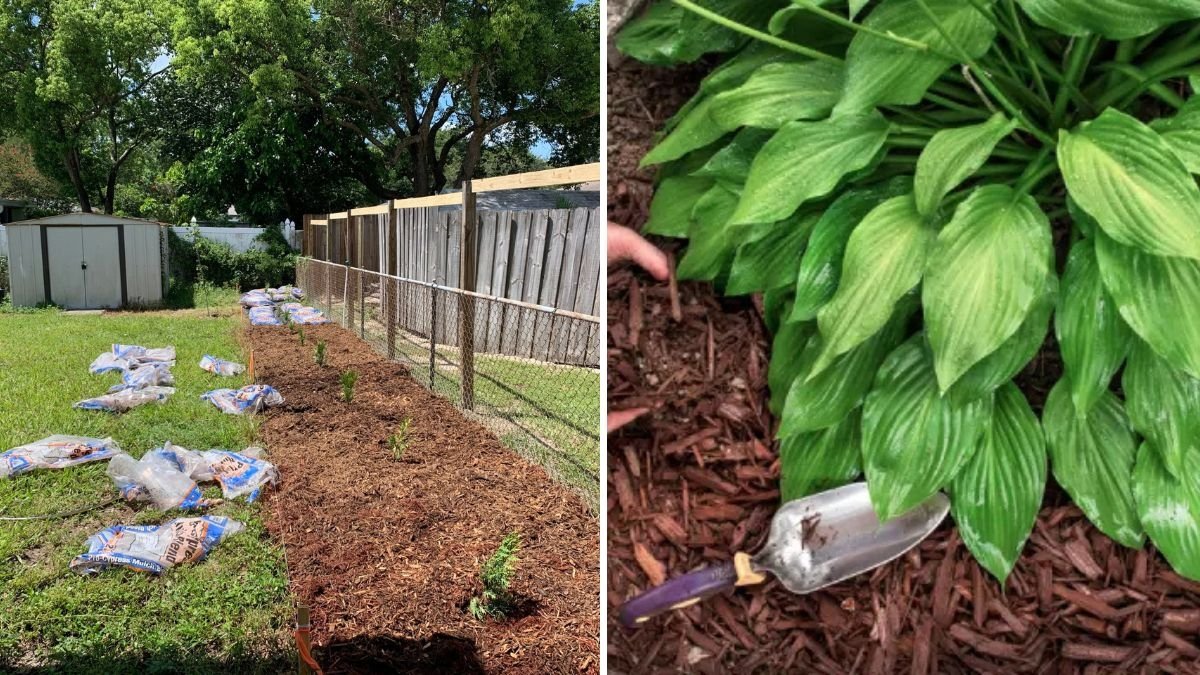
Mulching is one of the most effective and widely recommended gardening practices. It helps retain soil moisture, suppress weeds, regulate temperature, and improve soil fertility. Despite its simplicity, many gardeners—especially beginners—make mistakes with mulching that can reduce its effectiveness or even harm plants. Understanding these common errors and how to avoid them is crucial for achieving healthy, productive gardens.
This article explores the biggest mistakes people make with mulching, the reasons they occur, and practical solutions for successful mulching practices.
1. Applying Mulch Too Thickly

The Problem:
One of the most frequent mistakes is applying mulch in a layer that is too thick. While mulching is beneficial, overdoing it can lead to unintended consequences.
Why It Happens:
- Gardeners may believe thicker mulch equals better weed control or longer-lasting moisture retention.
- Bulk bagged mulch often comes in large volumes, tempting gardeners to pile it on.
Effects on Plants:
- Thick mulch can suffocate plant roots, reducing oxygen availability.
- Water penetration may be hindered, leaving soil dry underneath.
- Excess moisture can encourage fungal growth, root rot, or pest infestations.
Solution:
- Apply mulch in a 2–3 inch layer for most garden beds.
- Keep mulch a few inches away from plant stems or trunks to prevent rot.
- Lightly fluff the mulch layer to maintain airflow while still suppressing weeds.
Proper thickness ensures that mulch enhances soil health without harming plants.
2. Piling Mulch Against Plant Stems

The Problem:
Many gardeners push mulch right up against the base of plants or trees, thinking it protects them from cold or weeds. Unfortunately, this practice can have serious negative effects.
Why It Happens:
- Misunderstanding plant biology—roots need moisture and air, while stems need to stay dry.
- Aesthetic preferences—mulch mounded around plants looks tidy.
Effects on Plants:
- Direct contact with mulch can trap moisture against stems, causing rot and disease.
- Insects and rodents may hide in the mulch and chew on stems or bark.
- Slow growth or plant death in severe cases.
Solution:
- Keep mulch 2–4 inches away from stems and tree trunks.
- Use mulch as a protective ring around the plant, not a mound on top.
- Ensure mulch is evenly distributed without burying young plants.
Maintaining a gap around stems prevents disease and pest problems while still providing the benefits of mulching.
3. Using the Wrong Type of Mulch

The Problem:
Not all mulches are created equal. Using inappropriate mulch for certain plants or garden areas can reduce effectiveness or even harm your garden.
Common Mistakes:
- Applying fresh wood chips around young seedlings; decomposition can temporarily deplete nitrogen.
- Using colored or dyed mulches that may contain chemicals unsafe for edible gardens.
- Spreading large, coarse bark on small garden beds, which can look bulky and decompose slowly.
Effects on Plants:
- Nutrient deficiencies in soil.
- Slow germination of seeds in mulched beds.
- Potential chemical contamination affecting edibles.
Solution:
- Use composted mulch for vegetable and herb beds to avoid nitrogen depletion.
- Choose natural, untreated mulches for edible plants.
- Match mulch type to garden purpose:
- Straw for vegetable beds.
- Bark or wood chips for ornamental trees and shrubs.
- Cocoa hulls or leaf mulch for decorative flower beds.
Selecting the right mulch ensures that it enhances rather than hinders plant growth.
4. Failing to Refresh Mulch

The Problem:
Mulch decomposes over time, losing its effectiveness. Many gardeners apply mulch once and forget about it, expecting it to last indefinitely.
Why It Happens:
- Lack of awareness that organic mulch breaks down within months to a year.
- Busy schedules prevent seasonal garden maintenance.
Effects on Plants:
- Reduced weed suppression.
- Decreased moisture retention.
- Soil exposure leading to temperature fluctuations and erosion.
Solution:
- Check mulch levels every 6–12 months and top up as needed.
- Remove old mulch if it has become compacted or moldy, then replace with fresh material.
- Turn or lightly fluff mulch to improve aeration and prevent matting.
Regular maintenance keeps mulch functional and beneficial for soil and plants.
5. Over-Reliance on Mulch for Weed Control

The Problem:
While mulch suppresses weeds, some gardeners assume it will eliminate weeds entirely, ignoring proper garden preparation.
Why It Happens:
- Misconception that mulch is a magic solution.
- Lack of understanding that perennial weeds can grow through even thick mulch.
Effects on Plants:
- Weeds compete with garden plants for nutrients, water, and light.
- Mulch can harbor weed seeds if applied over an unprepared bed.
Solution:
- Remove existing weeds before applying mulch.
- Consider a weed barrier or landscape fabric under mulch in problem areas.
- Monitor beds regularly and remove weeds promptly.
Combining mulch with preparation and regular maintenance ensures effective weed control.
6. Using Mulch in the Wrong Season
The Problem:
Timing is important when applying mulch. Many gardeners mulch too early in spring or too late in fall, reducing its benefits.
Why It Happens:
- Mulching too early in spring can trap moisture and create a cold, damp environment, slowing soil warming.
- Mulching too late in winter may miss the opportunity to protect soil and plant roots from frost.
Effects on Plants:
- Delayed growth in spring.
- Reduced frost protection for sensitive plants.
- Uneven soil temperature and moisture.
Solution:
- Apply mulch after soil has warmed in spring for vegetables and annuals.
- Add mulch before winter frost to protect perennials, shrubs, and trees.
- Adjust thickness seasonally: thinner layers in spring, slightly thicker in winter for insulation.
Seasonal timing maximizes mulch benefits for temperature regulation and soil protection.
7. Ignoring Mulch Decomposition Benefits
The Problem:
Some gardeners view mulch solely as a weed suppressant and ignore its role in enhancing soil fertility through decomposition.
Why It Happens:
- Lack of understanding of soil ecology.
- Preference for synthetic fertilizers over organic soil amendments.
Effects on Plants:
- Lost opportunity to naturally enrich soil with organic matter.
- Increased reliance on chemical fertilizers, which can harm soil life over time.
Solution:
- Use organic mulches like compost, shredded leaves, straw, or grass clippings.
- Allow mulch to slowly decompose, enriching the soil with nutrients and beneficial microorganisms.
- Combine mulching with compost applications to maximize soil health.
Understanding decomposition transforms mulch from a simple ground cover into a natural fertilizer, promoting long-term garden vitality.
Conclusion
Mulching is a simple, effective technique to support plant growth, conserve soil moisture, suppress weeds, regulate temperature, and improve soil fertility. However, many gardeners make mistakes that compromise its benefits. The biggest mistakes with mulching include:
- Applying mulch too thickly – suffocates roots and hinders water penetration.
- Piling mulch against plant stems – causes rot and attracts pests.
- Using the wrong type of mulch – can deplete nutrients or harm edible plants.
- Failing to refresh mulch – reduces effectiveness over time.
- Over-reliance on mulch for weed control – weeds can still emerge if beds aren’t prepared.
- Using mulch in the wrong season – affects soil warming, moisture, and frost protection.
- Ignoring decomposition benefits – misses out on natural soil enrichment.
By avoiding these mistakes and following proper mulching practices—appropriate thickness, type selection, seasonal timing, and regular maintenance—gardeners can enjoy healthy plants, fertile soil, and more productive gardens. Mulch is not just a cosmetic addition; it is a vital component of sustainable gardening that, when used correctly, ensures vibrant, thriving plants all year round.

Leave A Comment