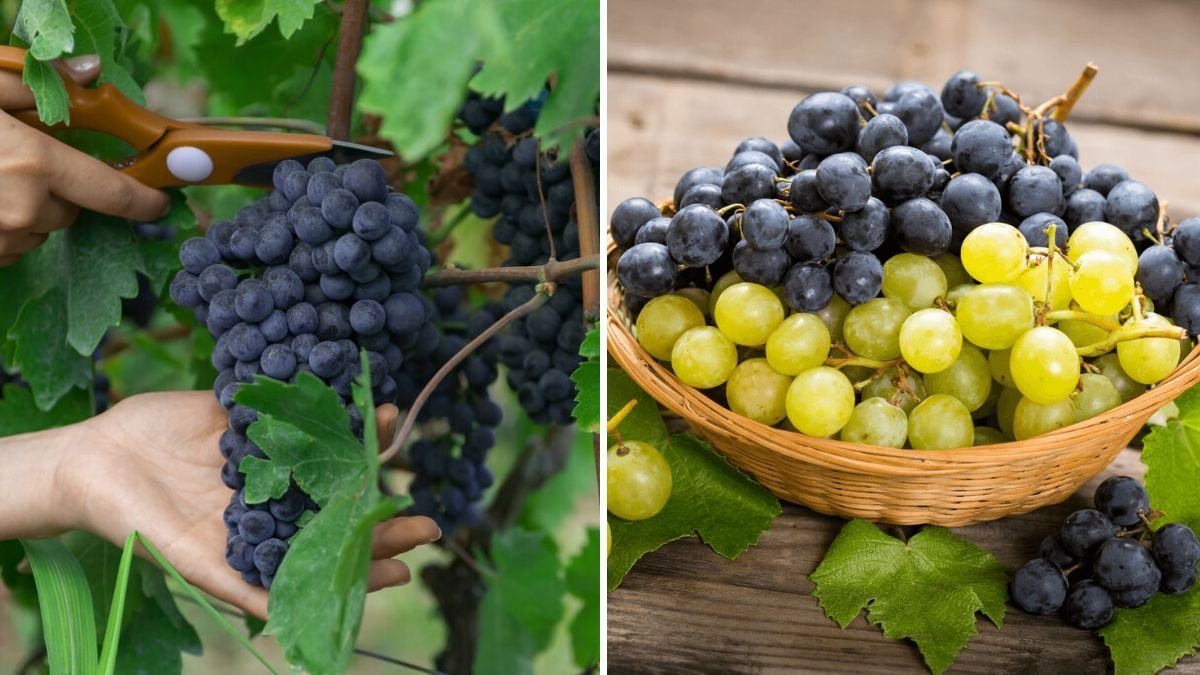
Grapes are among the most cherished fruits worldwide, valued both as a fresh snack and as the foundation of world-class wines. While growing grapes requires patience and proper care, knowing when to harvest is equally crucial to maximize flavor, sweetness, and overall quality. Harvesting too early or too late can significantly affect taste, texture, and, in the case of wine grapes, fermentation potential.
This guide explores how to determine the optimal time to harvest grapes, whether you are growing them for fresh eating, juice, or winemaking, and shares practical tips for assessing ripeness and timing your harvest for the best results.
1. Understanding Grape Ripening

Grape ripening is a complex process involving changes in sugar content, acidity, flavor compounds, and color. Understanding these factors helps gardeners and winemakers decide the perfect harvest window.
Key Ripening Indicators:
- Sugar Levels: Grapes accumulate sugars as they ripen, which determines sweetness for fresh eating and potential alcohol for wine.
- Acidity: Acid levels decrease during ripening, balancing flavor and preventing sourness.
- Tannins: In wine grapes, tannins soften as the grape matures, improving mouthfeel and taste.
- Color Change: The grape variety dictates the color change; red and purple grapes darken, while green grapes become slightly translucent.
- Flavor Development: Aroma and taste evolve over time, with ripe grapes having more pronounced, complex flavors.
Tip: Different grape varieties ripen at different times, so understanding your specific type is essential.
2. Sugar Content: Measuring Brix Levels

For both wine and fresh grapes, sugar content is a primary factor in determining ripeness. Sugar concentration is measured in degrees Brix, representing grams of sugar per 100 grams of grape juice.
Optimal Brix Levels:
- Fresh Eating Grapes: 16–20° Brix for sweet, juicy flavor.
- Wine Grapes: 20–25° Brix for balanced fermentation and alcohol content.
- Dessert Wines: Up to 28° Brix for concentrated sweetness.
How to Measure Brix:
- Use a refractometer, a small handheld tool, to measure sugar levels in grape juice.
- Squeeze a few berries to extract juice and place a drop on the refractometer lens.
- Adjust your harvest plan according to the Brix reading.
Tip: Monitor sugar levels regularly as harvest season approaches, since sugar can accumulate quickly in warm conditions.
3. Taste and Texture Testing
While instruments help, taste remains an essential guide for determining grape readiness.
What to Check:
- Flavor: Taste a few grapes from different clusters; ripe grapes should taste sweet and balanced, without excessive tartness.
- Texture: Fully ripened grapes are firm but slightly tender, not hard or overly soft.
- Seed Color: In seeded varieties, seeds turn brown or tan when the grape is ripe.
- Skin Toughness: For wine grapes, skins should be slightly pliable, while for table grapes, thin skins indicate readiness.
Tip: Sampling multiple clusters across the vine ensures uniformity, as grapes on the same vine may ripen at different rates.
4. Observing Vine and Cluster Characteristics

Grapes offer visual cues that indicate their ripeness and readiness for harvest.
Indicators for Harvest Timing:
- Color: Match grape color to the expected ripe hue for your variety.
- Bloom (Powdery Coating): A white powdery coating on the grape skin, called bloom, indicates natural maturity and protection.
- Stem Condition: Green, flexible stems indicate ongoing ripening; brown stems suggest readiness.
- Cluster Shape: Tight, full clusters with plump grapes often signify ripeness, while loose clusters may need more time.
Tip: Observe early morning sunlight to see color changes clearly, avoiding misjudgment caused by shadows.
5. Timing Harvest for Wine Grapes
Harvesting grapes for winemaking requires precision because sugar, acidity, and tannin levels directly affect the final wine quality.
Considerations for Wine Grapes:
- Acidity: Balanced acidity is critical for fermentation and flavor. Measure pH levels; ideal wine grape pH is typically 3.2–3.6.
- Sugar and Alcohol Potential: Brix readings determine potential alcohol content, with higher Brix creating stronger wine.
- Weather Conditions: Avoid harvesting during rain to prevent dilution and fungal issues.
- Cluster Uniformity: Harvest only fully ripe clusters for consistent wine quality.
Harvesting Methods:
- Hand Harvesting: Preferred for high-quality wines to avoid damaging grapes and stems.
- Mechanical Harvesting: Faster but may bruise grapes, affecting delicate flavors.
Tip: Consult your grape variety’s typical harvest window for region-specific timing.
6. Timing Harvest for Fresh Eating Grapes

For table grapes, sweetness, texture, and appearance are key.
Indicators for Fresh Eating Grapes:
- Full, Plump Grapes: Size and roundness indicate peak ripeness.
- Color: Match the grape color to the expected variety-specific shade.
- Sugar Level: 16–20° Brix ensures pleasant sweetness.
- Ease of Removal: Grapes should detach easily from the vine without tearing the stem.
Harvest Tips:
- Harvest during cool morning hours to preserve freshness.
- Avoid bruising by handling clusters gently.
- Use sharp scissors or pruners to cut clusters cleanly.
Tip: Fresh eating grapes generally have a short harvest window, so check the vine daily during peak season.
7. Environmental and Seasonal Considerations
Weather and seasonal changes influence grape ripening and harvest timing.
Factors to Consider:
- Temperature: Warm, sunny days accelerate sugar accumulation; cool nights preserve acidity.
- Rainfall: Excessive rain before harvest can dilute sugar content and increase disease risk.
- Humidity: High humidity may promote mold or mildew; ensure airflow around clusters.
- Regional Timing: Grapes typically ripen from late summer to early fall, depending on climate and variety.
Tip: Use protective netting or covers to shield grapes from birds, pests, and weather damage.
8. Post-Harvest Handling for Optimal Quality

Proper post-harvest handling preserves grape flavor, appearance, and longevity.
Steps for Fresh Grapes:
- Cool immediately after harvest to 30–32°F if storing.
- Keep in ventilated containers to prevent mold.
- Consume within a week for maximum flavor and texture.
Steps for Wine Grapes:
- Transport promptly to crushing or pressing facilities.
- Handle gently to avoid damaging skins, which can release unwanted flavors.
- Keep grapes cool until processing to preserve sugars and acids.
Tip: Proper handling ensures that both fresh and wine grapes maintain optimal taste and quality.
9. Common Mistakes to Avoid
- Harvesting Too Early: Leads to sour, underripe grapes lacking flavor and sugar.
- Harvesting Too Late: Overripe grapes may ferment prematurely, lose firmness, or develop mold.
- Ignoring Visual and Taste Cues: Relying solely on calendar dates can result in uneven ripening.
- Harvesting in Wet Conditions: Increases risk of disease and dilutes flavor.
- Neglecting Environmental Factors: Not considering temperature, sunlight, and humidity can compromise ripeness.
Tip: Combine multiple indicators—taste, Brix readings, color, and cluster fullness—for the most accurate harvest timing.
10. Conclusion
Harvesting grapes at the optimal time is the key to enjoying the full flavor, sweetness, and aroma of both fresh eating and wine grapes. By observing sugar levels, acidity, texture, color, and environmental factors, gardeners and winemakers can maximize grape quality and ensure the best possible harvest.
Key takeaways:
- Monitor Brix and acidity for ripeness assessment.
- Taste and examine grape clusters for flavor and texture.
- Adjust harvest timing based on weather conditions and variety requirements.
- Handle grapes carefully post-harvest to preserve quality.
Whether you grow grapes for a fresh snack, homemade juice, or artisanal wine, knowing when to pick is crucial. With careful observation, proper measurement, and attention to environmental factors, you can enjoy perfectly ripe grapes every season, turning your vineyard or backyard grapevine into a reliable source of delicious fruit and a rewarding gardening experience.

Leave A Comment