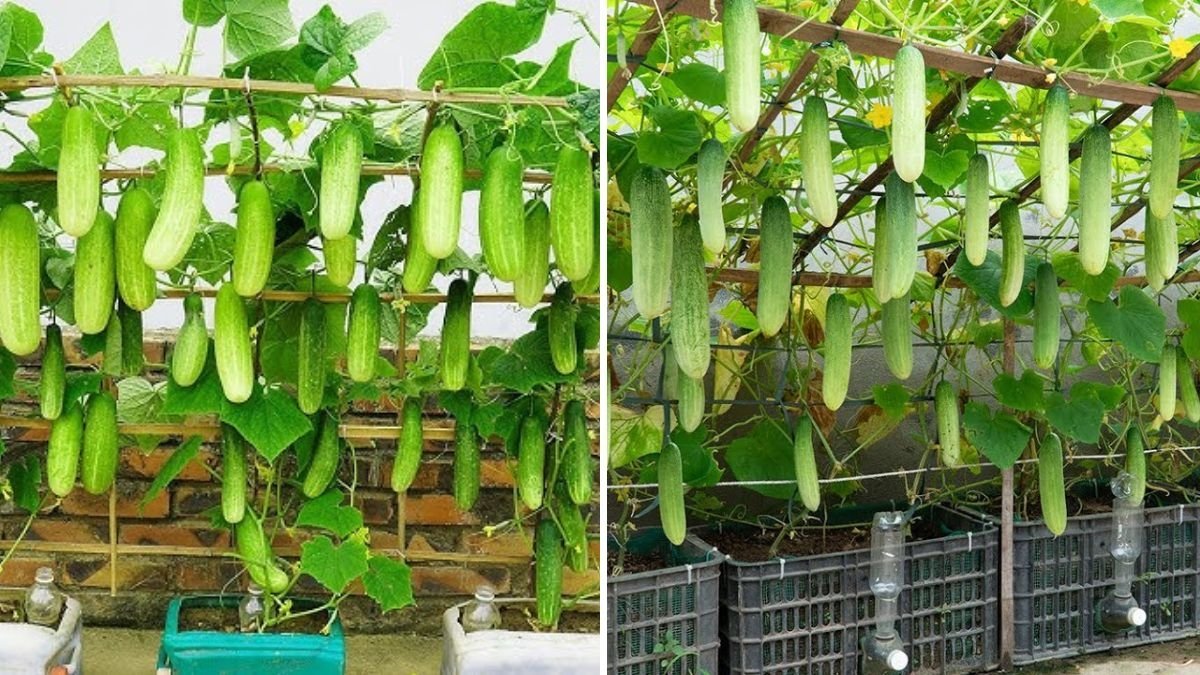
Cucumbers are one of the most satisfying vegetables to grow at home. Crisp, refreshing, and versatile in the kitchen, they can be eaten fresh, pickled, or added to salads for a burst of flavor. But like any garden vegetable, achieving a super-fruitful cucumber harvest requires the right combination of care, soil, water, and planting techniques.
In this blog post, I’ll share my personal journey of growing a garden full of abundant, healthy cucumbers, and provide detailed tips and strategies for gardeners looking to maximize their cucumber yield. Whether you’re a beginner or a seasoned gardener, this guide will help you grow cucumbers that are both plentiful and delicious.
Why Cucumbers Are Worth Growing

Cucumbers are not only nutritious and versatile, but they also grow relatively quickly and can yield abundantly with proper care. Here are a few reasons to grow cucumbers in your home garden:
- Fast growth: Many cucumber varieties produce fruit within 50–70 days.
- High productivity: With proper care, a single plant can produce dozens of cucumbers.
- Space efficiency: Cucumbers can be grown vertically on trellises to save garden space.
- Nutritional benefits: Rich in water, fiber, vitamins C and K, and antioxidants.
Growing cucumbers is particularly rewarding because you can harvest continuously throughout the season when plants are healthy and well-maintained.
Choosing the Right Cucumber Varieties

Selecting the right cucumber variety is crucial for a productive garden. I found that certain varieties consistently outperformed others in terms of fruit size, yield, and disease resistance.
Some top choices include:
- Marketmore 76: Disease-resistant, prolific, and perfect for slicing.
- Bush Champion: Compact, ideal for small spaces or container gardens.
- Lemon Cucumber: Round, mild-tasting, and unusual in appearance.
- Straight Eight: Classic slicing cucumber with high productivity.
- Pickling Varieties: Such as Boston Pickling for gardeners focused on preserving.
Tip: Choose varieties suited to your climate, whether it’s hot and humid or cooler and temperate. Disease resistance is a key factor in maintaining a high-yield garden.
Preparing the Garden for Cucumbers

Cucumbers thrive in fertile, well-draining soil with full sunlight. Here’s how I prepared my garden for maximum yield:
- Soil preparation:
- I used a mix of garden soil and compost to enrich the bed.
- Added a small amount of sand for drainage, as cucumbers dislike waterlogged roots.
- pH level:
- Optimal pH is 6.0–7.0 for nutrient absorption.
- I tested the soil and adjusted with lime to achieve the ideal pH.
- Space planning:
- Cucumbers are vining plants and need space to spread.
- I used trellises and vertical supports to save space and improve airflow, which reduces disease risk.
Well-prepared soil and thoughtful spacing are the foundation for a super-fruitful cucumber garden.
Planting Cucumbers for Maximum Yield

Timing and planting technique are critical for productive cucumbers:
- When to plant: Cucumbers are warm-season crops and thrive when soil temperatures are above 18°C (65°F). I planted mine after the last frost to ensure consistent growth.
- Seed spacing: For bush varieties, 12–18 inches apart; for vining varieties, 24–36 inches apart.
- Depth: Plant seeds ½–1 inch deep, and water gently.
- Thinning seedlings: Once seedlings emerge, thin to the strongest plant per spot to ensure each has enough space and resources.
Using these planting techniques encourages strong root systems, vigorous growth, and higher yields.
Supporting Your Cucumber Plants
One of the biggest lessons I learned is the importance of supporting cucumber vines. I found that vertical growth not only saves space but also significantly improves fruit production:
- Trellises: Wooden or wire trellises keep vines upright and fruits off the ground.
- Cages or stakes: For bush varieties, small cages or stakes help maintain structure.
- String or netting: I tied vines loosely to support structures as they grew.
Supporting plants improves sunlight exposure, airflow, and reduces the risk of rot and disease, resulting in bigger, healthier cucumbers.
Watering for Super-Fruitful Cucumbers

Cucumbers are thirsty plants, and consistent watering is crucial for high yields. Inconsistent watering can cause:
- Bitter taste in cucumbers
- Flower drop
- Small or misshapen fruits
Watering tips I followed:
- Water deeply and regularly, keeping the soil consistently moist.
- Avoid overhead watering, which can spread fungal diseases.
- Mulch around the base to retain moisture and regulate soil temperature.
Tip: Drip irrigation or soaker hoses work well for maintaining even moisture and saving water.
Fertilizing Cucumbers for Maximum Productivity
Cucumbers are heavy feeders, and providing the right nutrients is essential:
- Before planting: Incorporate compost or well-rotted manure into the soil.
- During growth: Use a balanced fertilizer high in nitrogen during the vegetative stage to promote leaf growth.
- Flowering and fruiting stage: Switch to a fertilizer higher in phosphorus and potassium to support flowers and fruit development.
I also used organic options like compost tea and fish emulsion to maintain soil health while boosting productivity. Regular feeding ensures plants have the energy to produce dozens of cucumbers per vine.
Pollination for Maximum Cucumber Yield
Cucumbers need pollination to set fruit. In my garden:
- Bees did most of the work naturally.
- For areas with fewer pollinators, I hand-pollinated flowers using a small brush to transfer pollen from male flowers to female flowers.
Hand pollination can significantly increase fruit set, especially for varieties that are sensitive to poor pollination.
Pruning and Maintenance
To achieve a super-fruitful cucumber garden, I pruned vines carefully:
- Remove yellow or damaged leaves to prevent disease.
- Trim excessive lateral growth to direct energy toward fruit production.
- Remove small or damaged fruits early to encourage larger, healthier cucumbers.
Regular pruning improves airflow, reduces disease risk, and ensures the plant focuses energy on producing abundant fruit.
Harvesting Cucumbers
Timing is key to enjoying sweet, crisp cucumbers:
- Harvest when fruits are firm, green, and the right size for their variety.
- Frequent harvesting encourages continuous fruit production.
- Avoid letting cucumbers over-ripen, as this slows plant growth and reduces yield.
By harvesting consistently, I was able to enjoy fresh cucumbers throughout the entire growing season.
Dealing with Common Problems
Even with careful care, cucumbers can face challenges:
| Problem | Cause | Solution |
|---|---|---|
| Yellow leaves | Nutrient deficiency or overwatering | Adjust watering and fertilize appropriately |
| Powdery mildew | Poor airflow or humid conditions | Prune affected leaves and improve ventilation |
| Bitter taste | Irregular watering | Maintain consistent soil moisture |
| Flower drop | Heat stress or poor pollination | Hand-pollinate and provide shade during extreme heat |
By observing plants closely and taking proactive steps, most issues can be managed effectively.
Tips for a Super-Fruitful Cucumber Garden
- Choose the right variety suited for your climate and space.
- Provide vertical support to encourage healthy growth and reduce disease.
- Water consistently and avoid soil drying out.
- Feed regularly with organic or balanced fertilizers.
- Prune strategically to focus energy on fruit production.
- Pollinate flowers if natural pollination is insufficient.
- Harvest frequently to encourage continuous production.
Following these practices can turn any garden into a high-yield cucumber paradise.
Conclusion
Growing a garden of super-fruitful cucumbers is a combination of careful planning, consistent care, and attentive maintenance. From selecting the right varieties to providing support, water, and nutrients, every step plays a crucial role in maximizing yield.
By implementing these strategies, I was able to enjoy a bountiful harvest of fresh, crisp cucumbers all season long. With patience, observation, and a little effort, any gardener can transform their space into a productive cucumber garden, bringing fresh, homegrown flavor to the table.
Whether you want cucumbers for salads, pickling, or just to snack on fresh, these tips will help you grow healthy, abundant, and super-fruitful cucumbers in your garden.

Leave A Comment