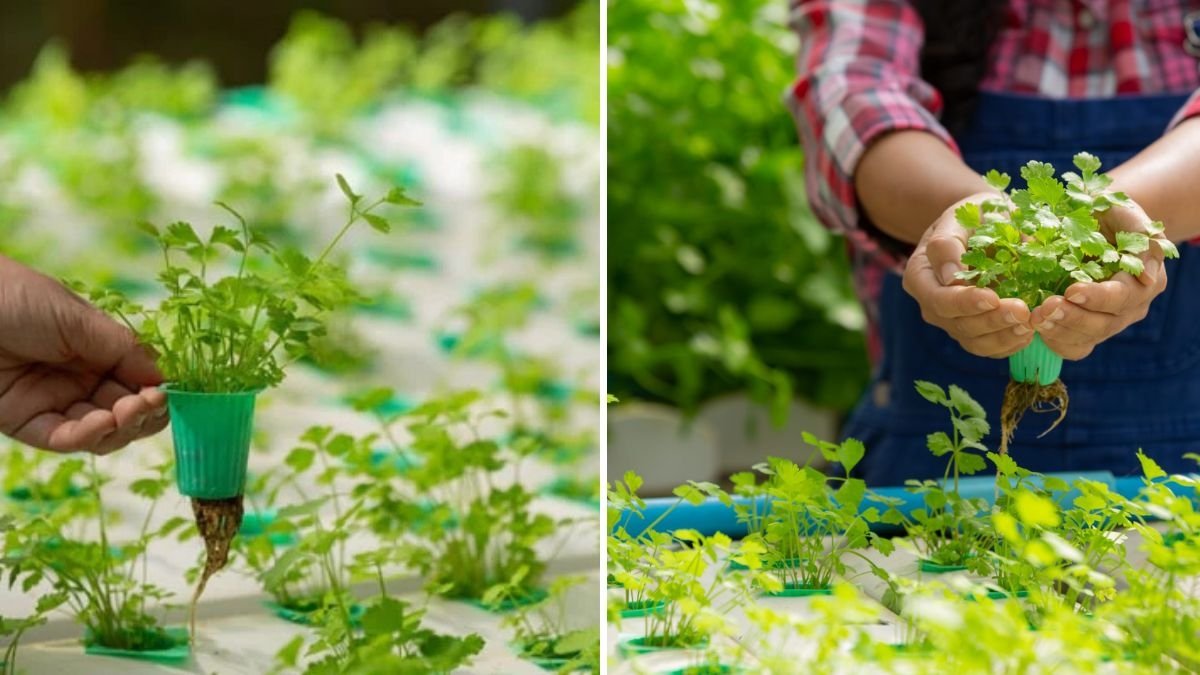
As urban living spaces shrink and the demand for sustainable, homegrown food rises, innovative gardening methods like aquaponics are becoming increasingly popular. Aquaponics allows you to grow fresh vegetables in a soil-less environment, using water and natural nutrients in a way that is both efficient and environmentally friendly. If you’re curious about how to grow vegetables using aquaponics, this guide will break it down step by step, from understanding the system to harvesting healthy, vibrant crops.
What Is Aquaponics?

Aquaponics is a combination of aquaculture (raising fish) and hydroponics (growing plants without soil). In this system, fish and plants exist in a symbiotic relationship: fish produce nutrient-rich waste that serves as fertilizer for plants, while plants clean the water, maintaining a healthy environment for the fish.
Even if you are not raising fish in your system, aquaponics principles can still be applied by using natural nutrient solutions or compost tea. Essentially, aquaponics is a self-sustaining ecosystem that maximizes nutrient recycling and reduces waste, making it ideal for urban gardening or limited spaces.
Why Grow Vegetables Using Aquaponics?
Growing vegetables through aquaponics has several benefits over traditional soil gardening:
- Space Efficiency – Perfect for apartments, balconies, or rooftops. Vertical systems can significantly increase yield per square meter.
- Water Conservation – Aquaponic systems recycle water, using up to 90% less than conventional gardening.
- Faster Growth – Plants grow more quickly because nutrients are readily available in water.
- Chemical-Free Produce – The system naturally provides nutrients, reducing the need for synthetic fertilizers and pesticides.
- Sustainable and Eco-Friendly – Aquaponics creates a closed-loop system, minimizing environmental impact.
With these advantages, you can grow a wide range of leafy greens, herbs, and even fruiting vegetables year-round.
How Aquaponics Works for Growing Vegetables

The secret behind aquaponics lies in nutrient cycling:
- Nutrient Source – In fish-based systems, fish produce waste rich in ammonia. In non-fish setups, nutrients come from organic solutions.
- Bacterial Conversion – Beneficial bacteria convert ammonia into nitrites and then nitrates, which plants can absorb.
- Plant Growth – Nitrate-rich water feeds vegetables directly, promoting fast growth and robust plants.
- Water Filtration – Plants absorb nutrients, effectively cleaning the water, which can then be recirculated to the system.
By understanding this process, gardeners can maintain a healthy balance in the system, resulting in high-yield vegetable crops.
Choosing the Right Vegetables for Aquaponics

Leafy greens and herbs are the easiest to grow for beginners, as they thrive in nutrient-rich water. Some excellent choices include:
- Lettuce – Fast-growing and adaptable to most systems.
- Spinach – Thrives in nutrient-rich water and grows quickly.
- Kale – Hardy and highly nutritious.
- Basil, Mint, and Cilantro – Aromatic herbs that grow abundantly.
- Arugula and Swiss Chard – Ideal for continuous harvesting.
Once you gain confidence, you can experiment with fruiting vegetables such as tomatoes, peppers, cucumbers, and even strawberries, provided you manage nutrient levels carefully.
Setting Up a Simple Vegetable Aquaponics System

Step 1: Select Containers and Grow Beds
- Grow beds: Use containers like plastic bins, tubs, or specialized aquaponic trays. Ensure they have drainage and are easy to clean.
- Water reservoir: If you’re using a fish-based system, a tank is needed. For plant-only systems, a container for nutrient solution works.
Tip: For limited space, vertical stacking of grow beds can increase yield without occupying more floor area.
Step 2: Add a Growing Medium
Vegetables can be grown using:
- Media-based systems: Clay pebbles, gravel, or coco coir. Supports roots and retains moisture while allowing drainage.
- Raft systems (Deep Water Culture): Plants float on foam boards with roots submerged in nutrient-rich water.
- Nutrient Film Technique (NFT): Water flows in shallow channels over roots, ideal for fast-growing leafy greens.
Choose a method based on available space, budget, and the type of vegetables you want to grow.
Step 3: Introduce Nutrients

If your system includes fish, they naturally provide nutrients. If not:
- Use organic nutrient solutions like compost tea, diluted liquid fertilizers, or worm castings extract.
- Monitor nutrient levels to ensure plants receive enough nitrogen, phosphorus, and potassium for growth.
Pro Tip: Avoid chemical fertilizers if possible; they can harm beneficial bacteria and disrupt the system’s balance.
Step 4: Provide Adequate Light
Vegetables need sufficient light for photosynthesis.
- Place your system in a sunny location with 6–8 hours of sunlight daily.
- For indoor systems, consider LED grow lights to supplement natural light.
Consistent light exposure ensures faster growth and healthier vegetables.
Step 5: Maintain Water Quality
Even in plant-only aquaponics, water quality is critical:
- pH levels: Keep between 6.0–7.0 for optimal nutrient uptake.
- Temperature: Maintain a range suitable for your chosen vegetables (typically 18–25°C).
- Aeration: Oxygenate the water using air pumps or bubbles for healthy root development.
Regular monitoring prevents nutrient deficiencies and ensures vibrant plant growth.
Step 6: Planting and Spacing
- Seedlings: Start with strong seedlings for faster establishment.
- Spacing: Ensure enough room for each plant’s roots and leaves. Overcrowding can reduce airflow, leading to disease and slower growth.
Tip: Leafy greens can be densely planted, while fruiting vegetables need more space and support structures like trellises.
Step 7: Harvesting Vegetables
Leafy greens can be harvested 4–6 weeks after planting.
- Cut outer leaves first to allow continuous growth from the center.
- Herbs like basil or mint can be pruned regularly to encourage bushier growth.
- For fruiting vegetables, wait until the fruit reaches full size and color.
Regular harvesting promotes more growth and prevents overcrowding.
Maintaining a Productive Vegetable Aquaponics System
Consistency is key to high productivity:
- Monitor nutrient levels to avoid deficiencies.
- Check water levels daily and top up as needed.
- Clean pumps, trays, and containers periodically to prevent algae buildup.
- Rotate crops to maintain soil-free nutrient balance.
- Prune plants to prevent overcrowding and ensure proper airflow.
Following these steps helps you maintain a thriving aquaponic system for years.
Common Challenges and Solutions
| Challenge | Cause | Solution |
|---|---|---|
| Yellowing leaves | Nutrient deficiency | Adjust nutrient solution or fish feed |
| Slow growth | Insufficient light | Move system to sunnier spot or add grow lights |
| Root rot | Poor aeration or stagnant water | Increase aeration and water circulation |
| Pest infestation | Overcrowding or poor hygiene | Introduce natural predators or remove affected plants |
Most problems can be managed through careful monitoring and timely adjustments.
Tips for Beginners
- Start small – Focus on a few vegetables first to learn the system.
- Choose fast-growing plants – Leafy greens provide quick results.
- Maintain water balance – Keep pH and nutrient levels consistent.
- Observe daily – Catch issues early for better productivity.
- Use organic nutrients – Protect beneficial bacteria and ensure healthy vegetables.
The Benefits of Aquaponics for Urban Gardening
Aquaponics is ideal for urban gardeners because it:
- Provides fresh, chemical-free vegetables year-round.
- Reduces water consumption and waste.
- Utilizes limited space efficiently through vertical or compact setups.
- Encourages sustainable, eco-friendly food production.
It also offers educational opportunities for children and adults alike, teaching principles of biology, chemistry, and ecology in a hands-on way.
Conclusion
Aquaponics is a revolutionary approach to growing vegetables that combines efficiency, sustainability, and productivity. By understanding how nutrients cycle in the system, selecting the right plants, and maintaining optimal water conditions, anyone can enjoy a thriving vegetable garden without soil.
Whether you are a beginner with a small balcony or an urban gardener looking to produce year-round food, aquaponics provides a practical, eco-friendly solution. With patience, observation, and care, you can enjoy fresh, healthy vegetables straight from your aquaponic system while conserving water and minimizing environmental impact.

Leave A Comment