
Carrots are a staple in home gardens and kitchens, loved for their sweet flavor, crunch, and versatility. Yet, gardeners often face a frustrating problem: splitting or cracking carrots. While the plants may appear healthy, the roots can develop longitudinal splits that make them unsightly and sometimes unmarketable. Understanding the causes and implementing the right strategies can help you grow straight, beautiful, and delicious carrots.
This guide explores why carrots split and provides expert tips on prevention, care, and harvesting to ensure a productive carrot harvest.
Understanding Carrot Splitting
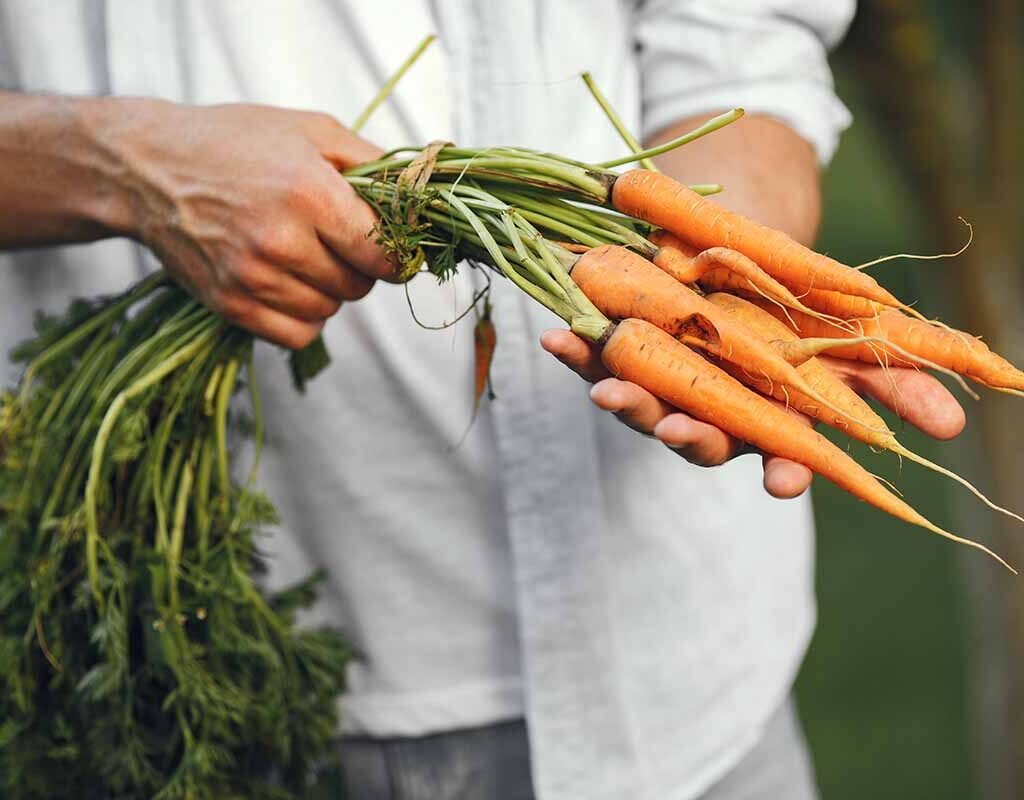
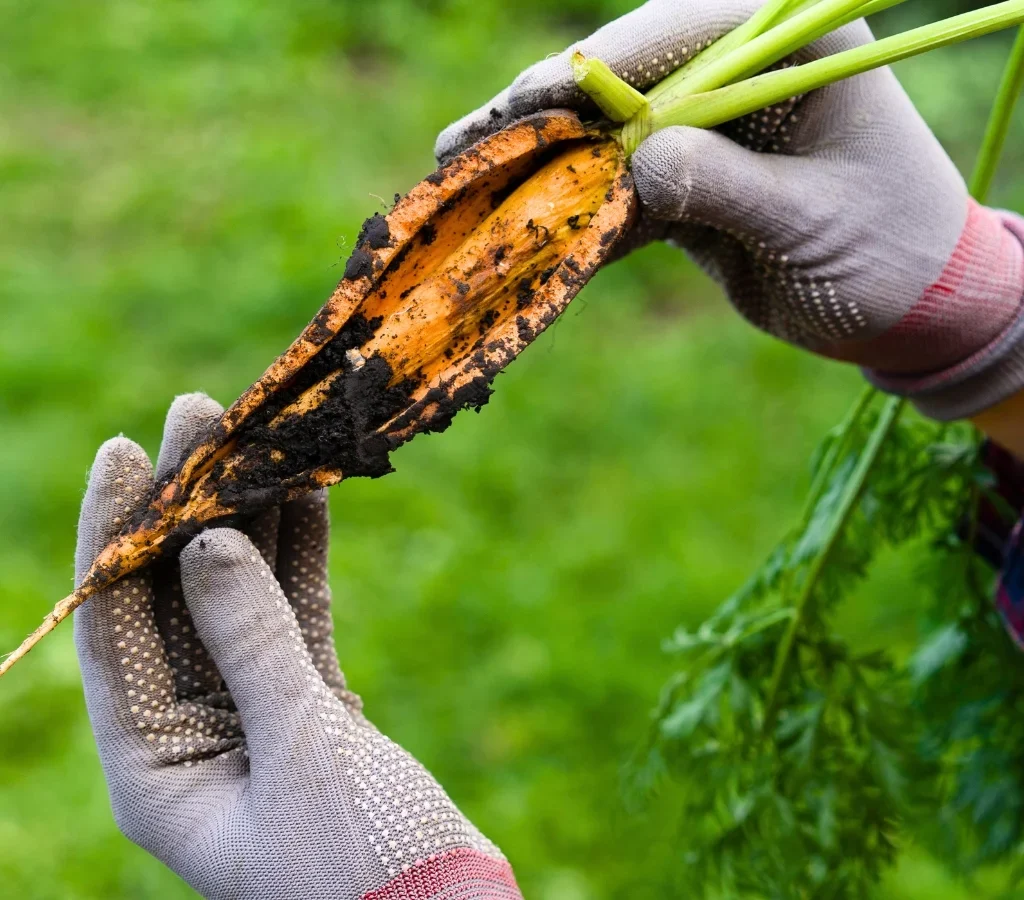
Carrot splitting occurs when the root’s outer tissues grow faster than the inner tissues, causing the root to crack. Splits typically run lengthwise along the root and may vary in severity from shallow surface cracks to deep fissures. While split carrots are often still edible, they are more susceptible to disease, rot, and pests.
Common Signs of Splitting:
- Longitudinal cracks along the root
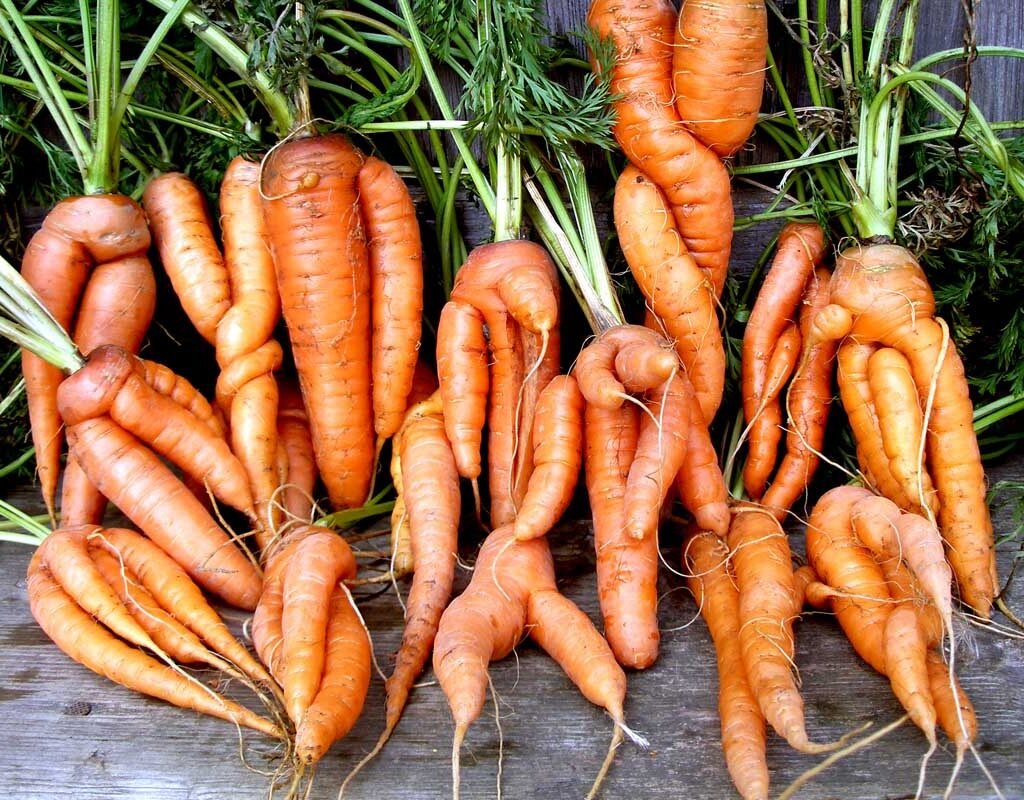
- Uneven root growth, sometimes forming “forked” shapes
- Split roots may become soft or dry at the exposed area
- Irregularly shaped carrots with multiple side roots
1. Irregular Watering
Why It Happens
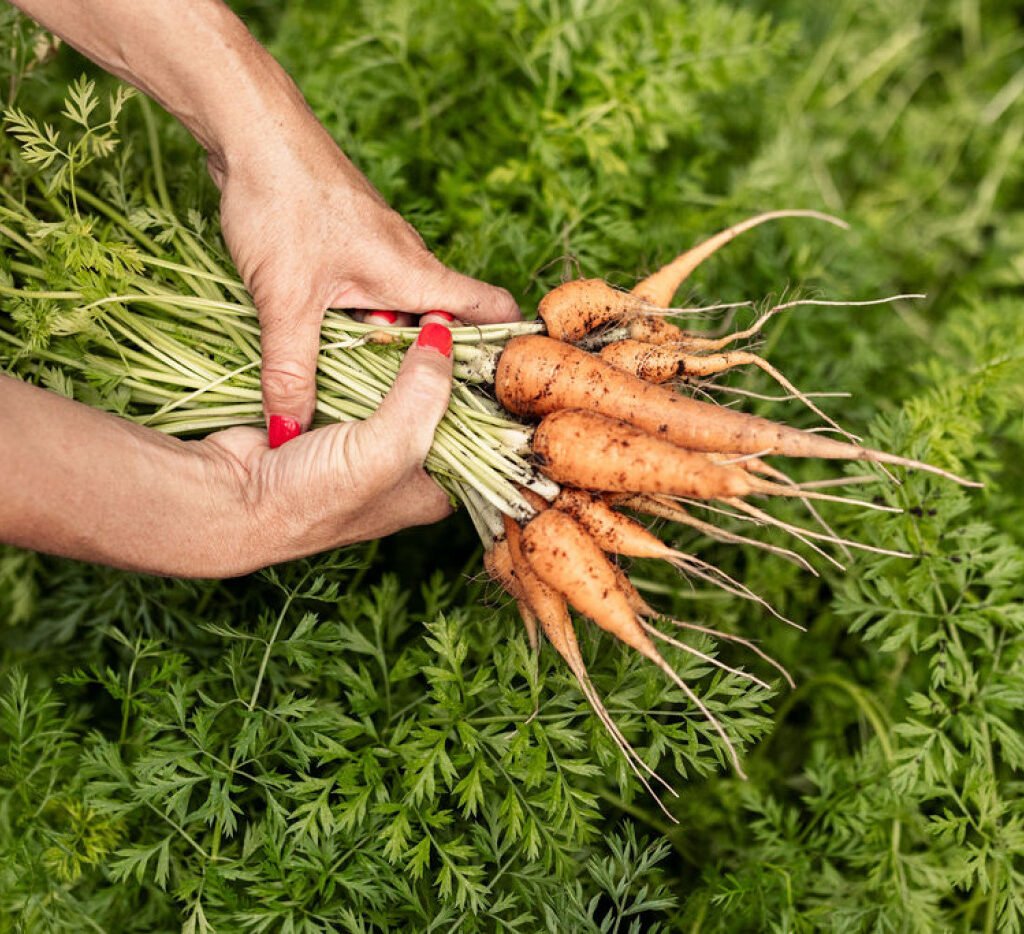
One of the primary causes of carrot splitting is inconsistent watering. Carrots grow steadily when soil moisture is consistent, but sudden changes—especially after dry periods—can cause rapid root expansion, leading to splits.
How to Fix It
- Maintain even soil moisture throughout the growing season.
- Use drip irrigation or soaker hoses to water directly at the soil level.
- Mulch around plants to retain soil moisture and prevent rapid drying.
- Water deeply and regularly, especially during hot, dry periods.
Tip: Avoid overwatering after prolonged dry spells—gradually reintroduce moisture to prevent splitting.
2. Soil Conditions
Why It Happens
Carrots prefer loose, well-drained soil. Heavy, compacted, or rocky soil can restrict root growth, causing stress that leads to cracks or forked roots.
How to Fix It
- Prepare the soil well before planting by removing stones, roots, and debris.
- Loosen the soil to a depth of at least 12 inches to allow free root growth.
- Incorporate organic matter, such as compost, to improve texture and water retention.
- Avoid using fresh manure high in nitrogen, which can encourage rapid, uneven root growth.
Tip: Sandy loam soil is ideal for carrot growth, providing both drainage and ease of expansion.
3. Fertilization Practices
Why It Happens
Excessive nitrogen fertilization can lead to rapid leafy growth, leaving roots underdeveloped and prone to splitting. Conversely, insufficient phosphorus and potassium can limit root strength and structure.
How to Fix It
- Use a balanced fertilizer suited for root crops (e.g., 5-10-10 NPK ratio).
- Apply fertilizer before planting and lightly side-dress during the growing season.
- Avoid high-nitrogen fertilizers once roots begin to form to prevent overgrowth of foliage.
Tip: Healthy root development relies on steady nutrient availability rather than spikes in nitrogen.
4. Overcrowding
Why It Happens
When carrots are planted too closely together, they compete for nutrients, water, and space. Crowding can cause irregular root shapes, twisting, and splitting.
How to Fix It
- Thin seedlings to maintain 1–2 inches of space between each carrot.
- Ensure rows are spaced at least 12–18 inches apart for proper airflow and sunlight.
- Plant succession crops properly to prevent overcrowding during growth stages.
Tip: Thin carrots carefully by cutting seedlings at soil level instead of pulling them, which can disturb nearby roots.
5. Rapid Temperature Fluctuations

Why It Happens
Extreme temperature swings—especially alternating periods of heat and cool weather—can stress carrot roots, causing cracking and splitting.
How to Fix It
- Mulch with straw, shredded leaves, or grass clippings to moderate soil temperature.
- Provide shade cloths during heat waves to prevent rapid growth and stress.
- Plant carrots during periods of consistent, moderate temperatures for optimal development.
Tip: Carrots prefer temperatures between 60–70°F (15–21°C) for steady growth.
6. Harvesting at the Right Time
Why It Happens
Harvesting carrots too late can cause splitting as roots continue to grow and expand. Conversely, pulling carrots too early can disturb soil structure and damage other roots.
How to Fix It
- Harvest carrots once they reach maturity as indicated on the seed packet (typically 60–80 days).
- Loosen soil around roots carefully using a garden fork to avoid breaking them.
- Check carrots regularly during the final weeks to harvest before extreme growth or splitting occurs.
Tip: Harvest during cooler parts of the day, like morning or evening, to minimize stress on plants and roots.
7. Additional Tips for Preventing Splitting
- Consistent soil testing: Monitor pH and nutrient levels to maintain optimal growing conditions.
- Rotate crops: Avoid planting carrots in the same soil consecutively to reduce soil-borne stress and disease.
- Companion planting: Plant onions, leeks, or herbs nearby to improve soil health and deter pests.
- Avoid mechanical stress: Be gentle when cultivating or weeding to prevent root damage.
- Harvest gradually: Pick mature carrots first to prevent over-expansion of remaining roots.
Conclusion
Carrot splitting is a common issue, but it is largely preventable with proper care, planning, and cultural practices. Key strategies include:
- Maintaining consistent soil moisture
- Preparing loose, well-drained soil free of stones
- Using balanced fertilizers and avoiding excess nitrogen
- Thinning seedlings and avoiding overcrowding
- Moderating temperature and environmental stress
- Harvesting at the right stage of maturity
By understanding the causes of carrot splitting and implementing these expert-recommended strategies, gardeners can enjoy straight, healthy, and flavorful carrots season after season. Preventing splits not only improves aesthetics and edibility but also reduces vulnerability to pests and diseases, ensuring a productive and rewarding carrot harvest.

Leave A Comment