
Squash and cucumbers are garden favorites, prized for their crisp texture, refreshing flavor, and versatility in salads, pickles, and cooked dishes. However, these crops are prone to a common fungal disease called powdery mildew, which can severely impact yield and plant health. Characterized by white, powdery spots on leaves, stems, and sometimes fruits, this disease can spread rapidly under favorable conditions.
Fortunately, powdery mildew is largely preventable with proactive strategies. This guide explores effective methods to prevent this disease, ensuring your squash and cucumber plants remain healthy, productive, and free of fungal infections.
Understanding Powdery Mildew
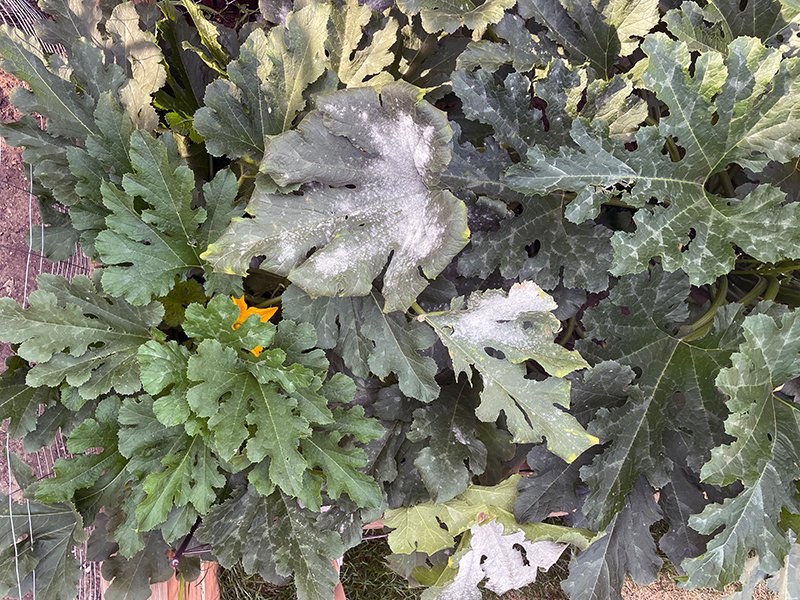
Powdery mildew is caused by a group of fungi that thrive in warm, dry climates with high humidity. Unlike many fungal diseases, powdery mildew does not require free water on leaves to infect plants—it spreads easily through wind, insects, and garden tools.
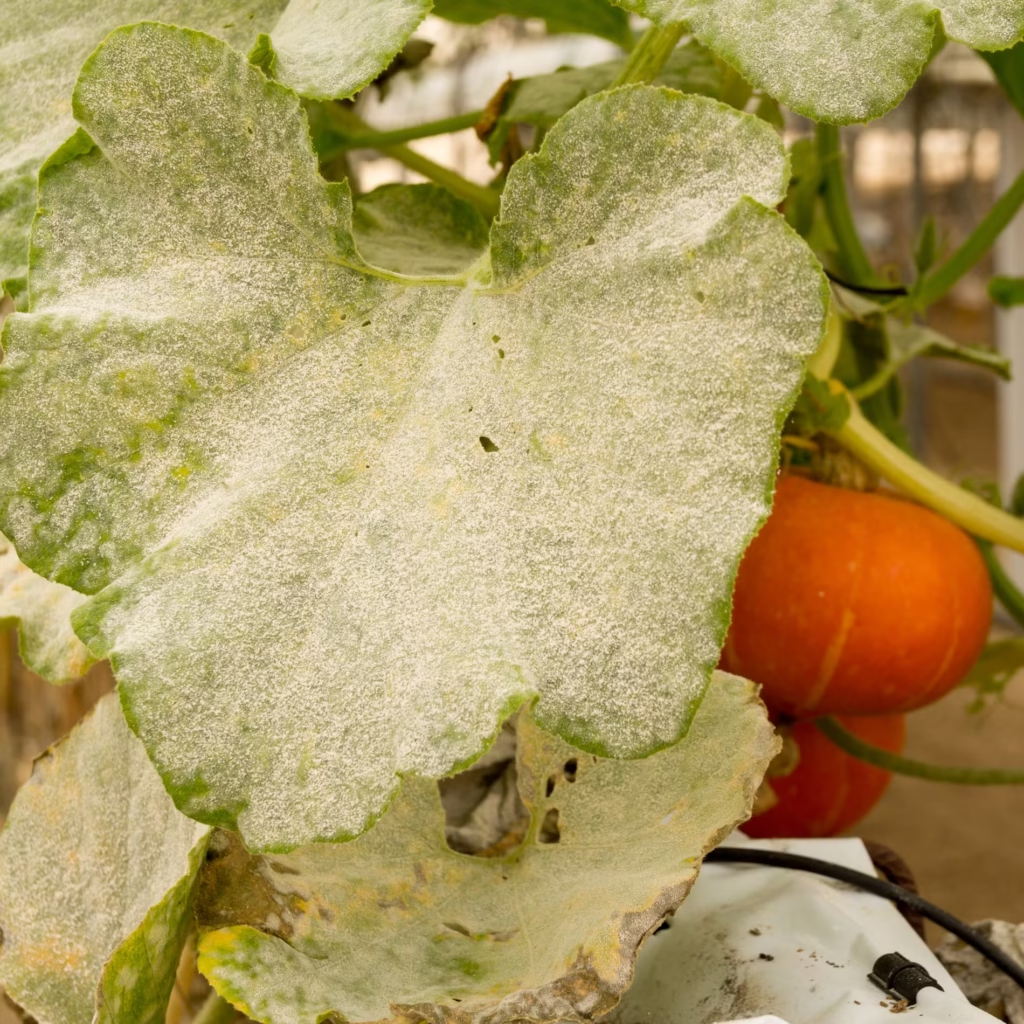
Common Signs of Powdery Mildew:
- White or gray powdery spots on leaves and stems
- Yellowing or browning of infected leaves
- Distorted leaf growth or reduced leaf size
- Reduced fruit size and quality if infection spreads extensively
Early prevention is key because once powdery mildew establishes itself, it becomes difficult to eradicate without frequent intervention.
1. Choose Resistant Varieties

Why It Works
Some squash and cucumber varieties have been bred for resistance to powdery mildew, reducing the likelihood of infection.
Recommended Varieties
- Cucumbers: ‘Marketmore 76,’ ‘Diva,’ and ‘Avalon’
- Summer squash: ‘Enterprise,’ ‘Lioness,’ and ‘Prestige’
- Winter squash: ‘Butternut Waltham’ and ‘Sweet Mama’
How to Implement
- Check seed packets or supplier catalogs for mildew resistance ratings.
- Rotate resistant varieties each season to reduce disease pressure.
Tip: Even resistant varieties benefit from good cultural practices, as resistance reduces but does not eliminate risk.
2. Optimize Plant Spacing and Airflow

Why It Works
Powdery mildew thrives in dense, poorly ventilated gardens where humidity is high and airflow is limited. Proper spacing and airflow reduce fungal growth and spread.
Practical Steps
- Plant squash and cucumbers with adequate spacing (usually 2–3 feet between plants).
- Train vines vertically using trellises to improve air circulation.
- Prune lower leaves or crowded growth to allow sunlight and airflow through the canopy.
Tip: A well-ventilated garden also reduces other fungal and bacterial diseases, improving overall plant health.
3. Water Wisely
Why It Works
Powdery mildew does not need water on leaves to infect, but wet foliage can encourage other fungal issues and stress plants, making them more susceptible. Proper watering helps maintain plant vigor.
Best Practices
- Use drip irrigation or soaker hoses to water at the soil level, avoiding wetting leaves.
- Water early in the morning to allow the soil to absorb moisture and minimize humidity around foliage.
- Maintain consistent soil moisture to prevent plant stress.
Tip: Mulching around plants helps retain soil moisture and keeps roots cool, reducing stress that can make plants more susceptible to fungal infections.
4. Apply Preventive Treatments
Why It Works
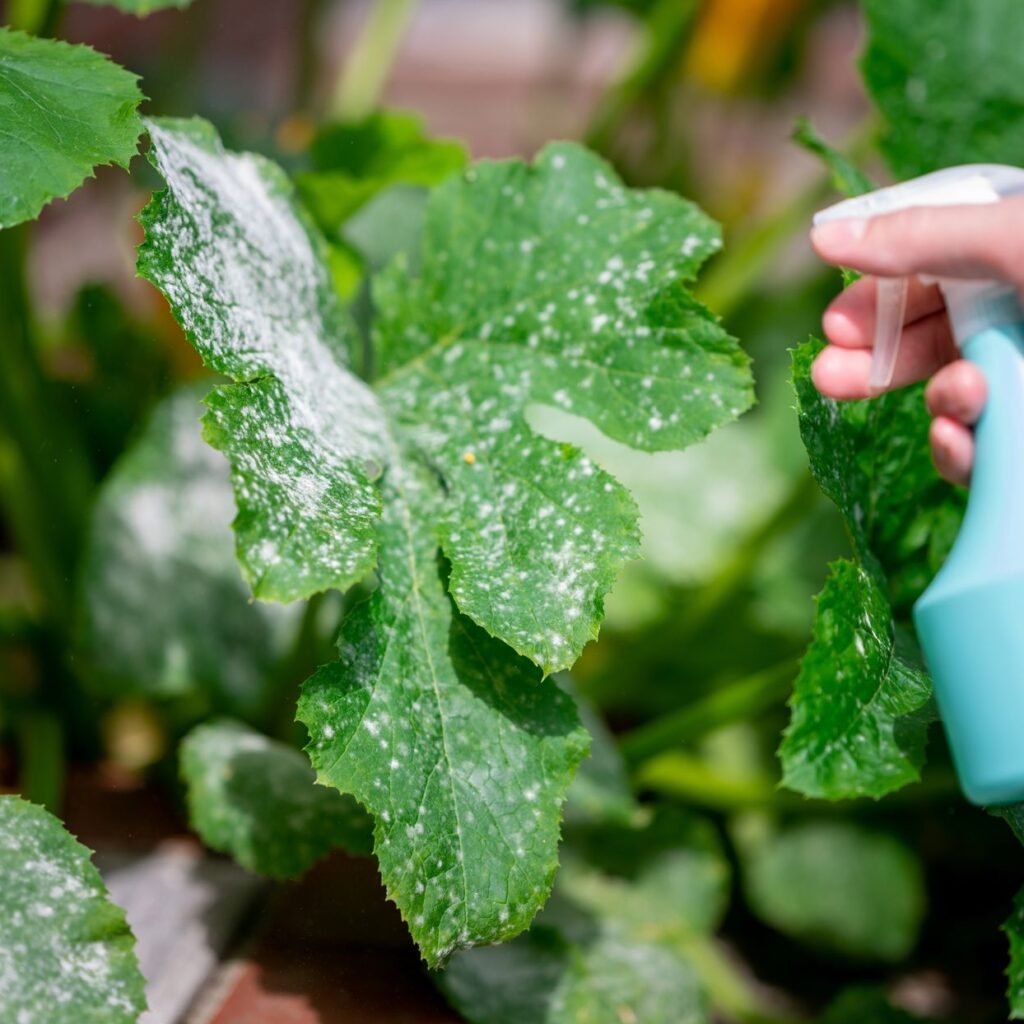
Preventive sprays can reduce the risk of powdery mildew by creating a protective barrier on leaves. Natural and organic options are ideal for home gardens.
Effective Preventive Sprays
- Neem oil: Disrupts fungal growth while being safe for beneficial insects.
- Baking soda solution: Mix 1 tablespoon baking soda, 1 teaspoon mild soap, and 1 quart of water; spray leaves weekly.
- Milk spray: Dilute milk 1:10 with water and spray leaves—studies show it can reduce fungal growth.
- Potassium bicarbonate: An effective fungicide alternative for early prevention.
How to Apply
- Spray thoroughly on both upper and lower leaf surfaces.
- Begin applications early in the season, especially during humid conditions.
- Reapply after rain or irrigation to maintain protection.
Tip: Preventive sprays are most effective when combined with good cultural practices like spacing and airflow.
5. Rotate Crops
Why It Works
Powdery mildew spores can survive in soil or plant debris for multiple seasons. Rotating crops prevents the buildup of fungal pathogens in a single location.
How to Implement
- Avoid planting cucumbers, squash, or other cucurbits in the same spot each year.
- Rotate with non-cucurbit crops such as legumes, leafy greens, or root vegetables.
- Remove and compost plant debris at the end of the season to minimize spores.
Tip: Crop rotation also helps prevent other soilborne pests and diseases, improving long-term garden health.
6. Maintain Healthy Plants
Why It Works
Strong, healthy plants are less susceptible to powdery mildew. Stress from poor soil, pests, or improper care can increase vulnerability.
Best Practices
- Fertilize based on soil tests; avoid excessive nitrogen, which encourages leafy growth and favors mildew.
- Inspect plants regularly for early signs of infection or pest activity.
- Remove infected leaves promptly to prevent spores from spreading.
Tip: A holistic approach combining soil health, proper watering, and timely pruning reduces disease risk naturally.
7. Companion Planting
Why It Works
Certain companion plants may help reduce humidity, deter pests, or inhibit fungal growth near cucurbits.
Recommended Companion Plants
- Basil and oregano: Aromatic herbs that can deter pests and improve airflow around plants.
- Marigolds: Reduce certain fungal pathogens and attract beneficial insects.
- Nasturtiums: Trap pests away from cucumbers and squash.
How to Implement
- Plant companions around garden edges or interspersed with cucurbits.
- Combine with vertical training to maximize airflow and sunlight.
Tip: Companion planting also enhances biodiversity and supports pollinator activity.
Conclusion
Powdery mildew can severely impact squash and cucumber crops, reducing both yield and fruit quality. However, with proactive prevention, this common fungal disease can be managed effectively.
Key strategies include:
- Choosing resistant varieties suited to your climate
- Optimizing plant spacing and airflow to reduce humidity
- Watering wisely using drip irrigation and mulching
- Applying preventive treatments like neem oil, baking soda, or milk sprays
- Rotating crops and maintaining garden hygiene
- Ensuring plant health through balanced nutrition
- Using companion plants to enhance airflow and deter pests
By integrating these practices, gardeners can maintain healthy, productive squash and cucumber plants, enjoy a bountiful harvest, and minimize the reliance on chemical fungicides. Prevention, vigilance, and consistent care are the keys to keeping your cucurbits thriving throughout the growing season.

Leave A Comment