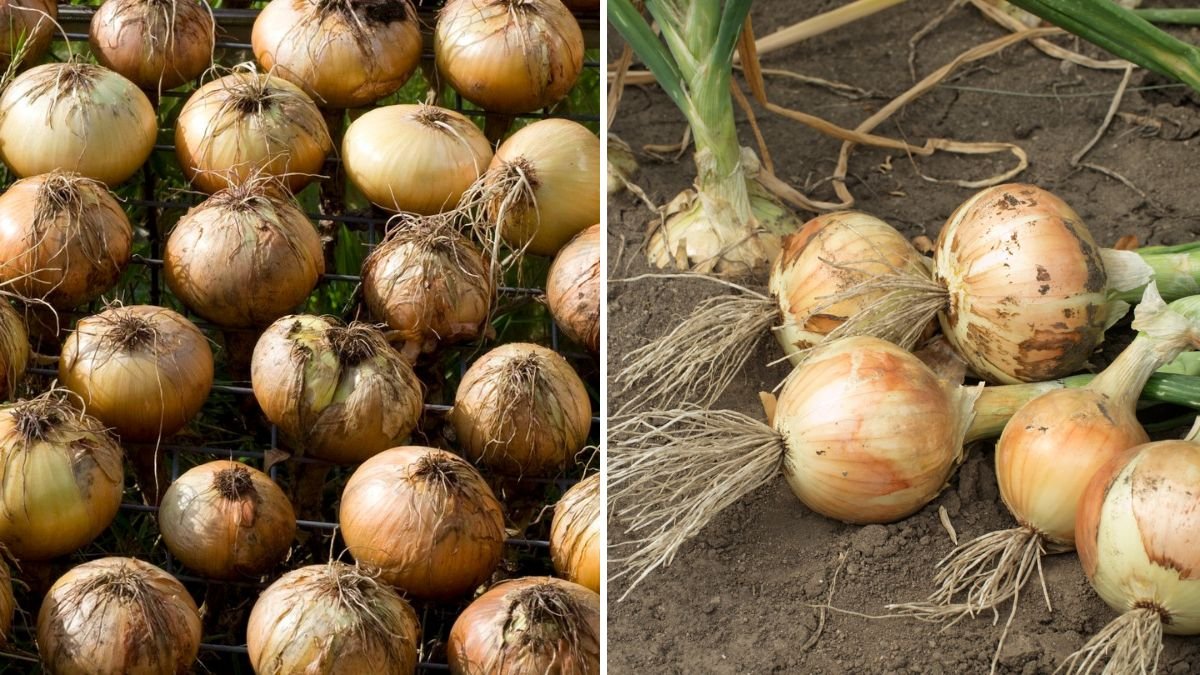
Onions are a staple in kitchens worldwide, prized for their flavor, versatility, and storage longevity. Many home gardeners grow onions for fresh use or long-term storage, but it can be frustrating when your onion plants look healthy yet fail to form large, plump bulbs. Understanding the factors that influence bulb development is key to achieving a successful harvest.
This guide explores the eight most common reasons onions fail to form big bulbs and provides expert tips to fix each problem, ensuring a bountiful and flavorful crop.
1. Incorrect Onion Variety
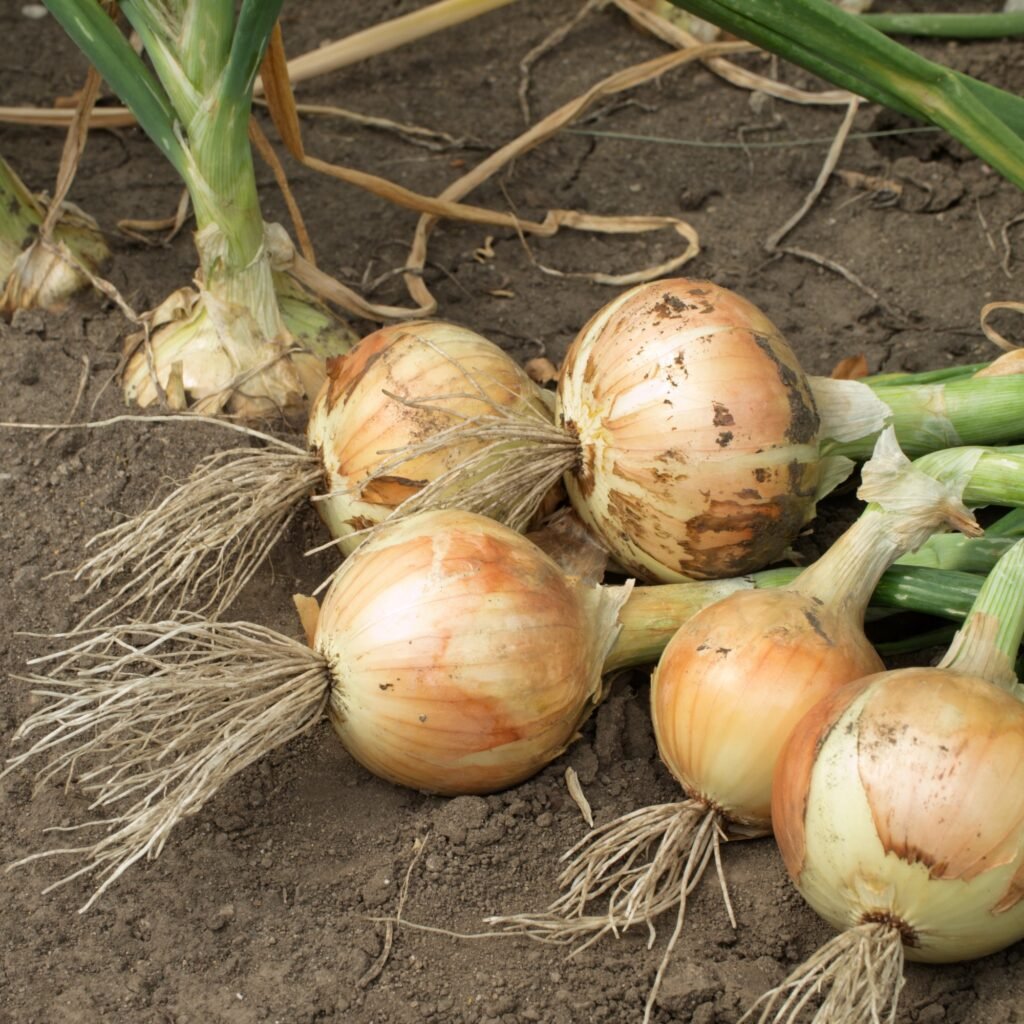
Why It Happens
Onion varieties differ in day-length requirements, which affect bulb formation. Planting a variety unsuited to your region’s daylight can result in vigorous foliage but small or no bulbs.
How to Fix It
- Short-day onions: Require 10–12 hours of daylight. Ideal for southern regions.
- Intermediate-day onions: Require 12–14 hours of daylight. Adaptable to mid-latitudes.
- Long-day onions: Require 14–16 hours of daylight. Best for northern regions.
Tip: Check your region’s day length during the growing season and choose varieties accordingly for optimal bulb development.
2. Planting Depth Issues
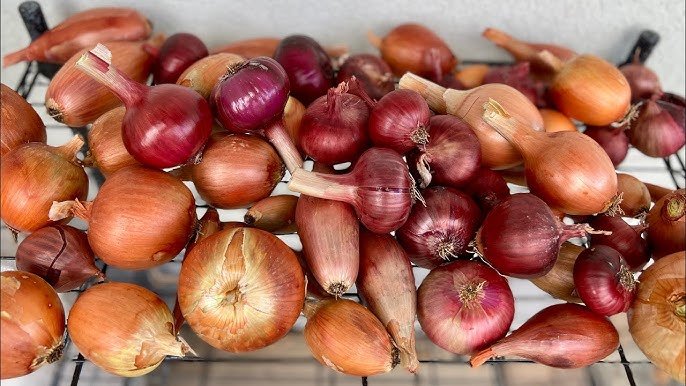
Why It Happens
Onions need to be planted at the right depth to allow bulbs to develop properly. Planting too deep or too shallow can stunt growth or cause uneven bulb formation.
How to Fix It
- Plant onion sets about 1 inch deep, with the pointed end up.
- Plant seedlings shallowly, just deep enough to cover the roots.
- Maintain spacing of 4–6 inches between plants to allow room for bulbs to expand.
Tip: Correct planting depth promotes healthy root establishment and encourages uniform bulb growth.
3. Excessive Nitrogen
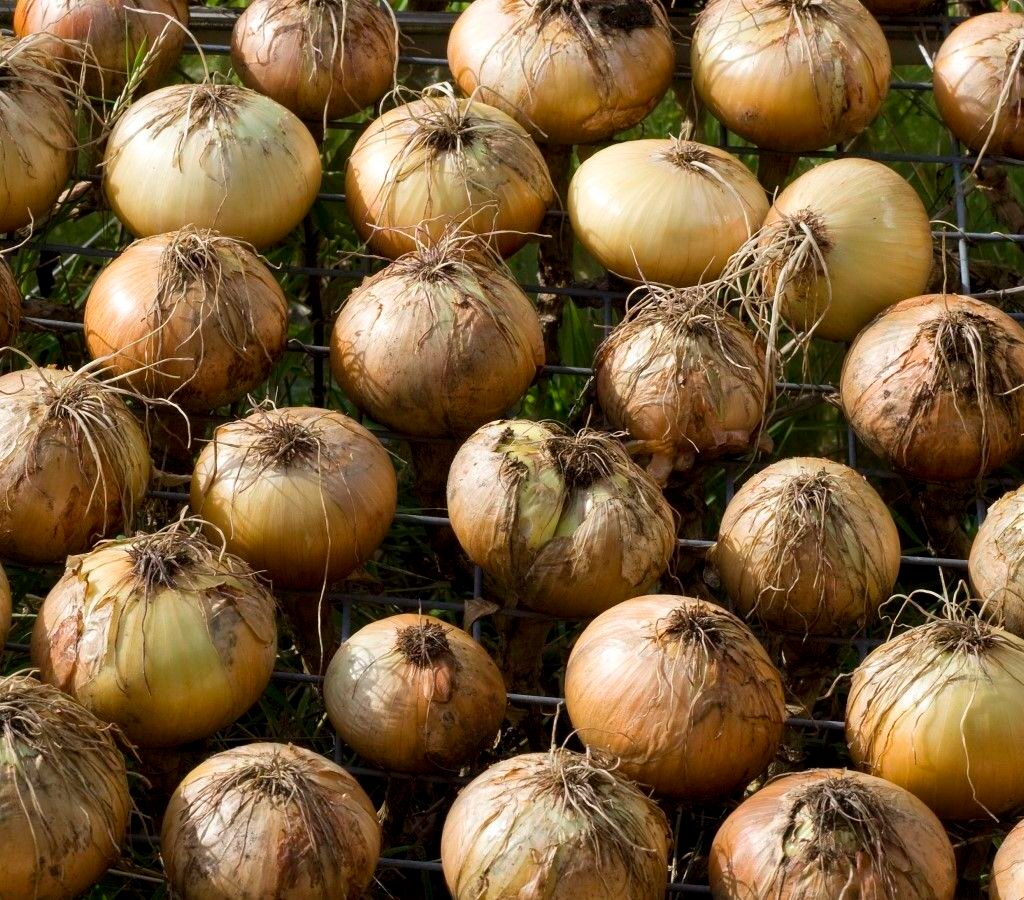
Why It Happens
Nitrogen is essential for leafy growth, but too much nitrogen causes onions to produce lush green tops at the expense of bulb development.
How to Fix It
- Use a balanced fertilizer that supports both foliage and bulbs (N-P-K ratio like 5-10-10).
- Reduce nitrogen-rich fertilizers once onions start forming bulbs.
- Incorporate compost or well-rotted manure before planting instead of heavy chemical nitrogen.
Tip: Monitor leaf growth—if tops are extremely dark green and tall, nitrogen may be excessive.
4. Inconsistent Watering
Why It Happens
Onions need steady moisture for consistent growth. Irregular watering—dry spells followed by heavy watering—can stress plants, stunt bulb growth, or cause splitting.
How to Fix It
- Maintain even soil moisture without waterlogging.
- Use drip irrigation or soaker hoses to water at the base of plants.
- Mulch with straw or leaves to retain moisture and regulate soil temperature.
Tip: Check soil frequently, especially during dry periods, to prevent stress that reduces bulb size.
5. Poor Soil Conditions
Why It Happens
Onions thrive in loose, well-drained, fertile soil. Heavy clay, compacted, or rocky soil restricts root and bulb expansion.
How to Fix It
- Loosen soil to at least 12 inches depth and remove stones and debris.
- Amend soil with organic matter like compost for improved texture and drainage.
- Maintain slightly acidic to neutral soil (pH 6.0–7.0) for optimal growth.
Tip: Well-prepared soil ensures healthy roots and supports large, uniform bulb development.
6. Crowding
Why It Happens
Onions planted too closely compete for light, water, and nutrients, leading to small or misshapen bulbs.
How to Fix It
- Thin seedlings to 4–6 inches apart, leaving space for bulbs to expand.
- Space rows 12–18 inches apart to improve airflow and sunlight exposure.
- Avoid planting densely in an effort to maximize space—bulbs need room to grow.
Tip: Thin carefully by cutting seedlings at soil level to avoid disturbing nearby roots.
7. Pests and Diseases
Why It Happens
Onions are susceptible to pests like onion maggots and diseases like downy mildew or fungal rot, which weaken plants and reduce bulb size.
How to Fix It
- Rotate crops yearly to prevent soil-borne diseases.
- Inspect plants regularly for early signs of pests or disease.
- Use organic or chemical controls as needed (e.g., neem oil, insecticidal soap).
- Remove and dispose of infected plants promptly to prevent spread.
Tip: Maintaining a clean garden and monitoring soil health reduces both pests and disease risk.
8. Incorrect Harvest Timing
Why It Happens
Harvesting onions too early or too late can affect bulb size and quality. Harvesting too early gives underdeveloped bulbs, while leaving onions in the ground too long may cause splitting or decay.
How to Fix It
- Harvest when tops begin to yellow and fall over naturally.
- Lift bulbs carefully using a garden fork to prevent damage.
- Cure onions in a warm, dry, and well-ventilated area for 2–3 weeks to enhance storage life.
Tip: Monitor tops daily as onions near maturity to ensure optimal size and quality.
Additional Tips for Maximizing Onion Bulb Size
- Sunlight: Onions require full sun—at least 6–8 hours daily.
- Consistent Fertilization: Provide phosphorus and potassium to support root and bulb development.
- Mulching: Reduces weeds, retains moisture, and regulates soil temperature.
- Regular Monitoring: Check for pests, nutrient deficiencies, and environmental stress throughout the season.
- Companion Planting: Plant onions near carrots or beets to improve soil health and deter pests.
Conclusion
Large, healthy onion bulbs result from careful attention to variety selection, soil preparation, spacing, nutrient management, consistent watering, pest control, and correct harvest timing. By understanding the eight common reasons onions fail to grow big bulbs and implementing expert-recommended solutions, gardeners can enjoy:
- Uniform, plump bulbs
- Higher yields and better flavor
- Reduced susceptibility to pests and disease
- Longer storage life
With consistent care, observation, and proactive management, your onion harvest can reach its full potential, transforming small, underwhelming bulbs into garden showstoppers that satisfy both the palate and the eye.