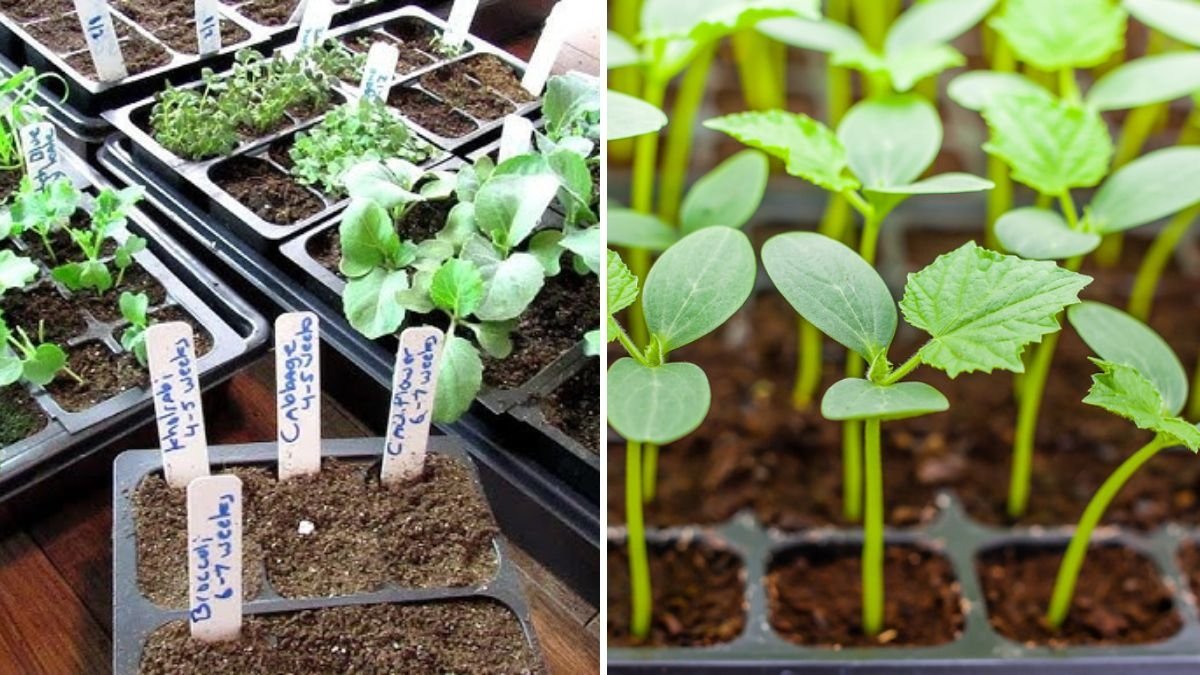
Starting plants from seed is one of the most rewarding aspects of gardening. Watching tiny seedlings emerge from seemingly lifeless soil can be magical. However, many gardeners—especially beginners—face the frustrating problem of seeds that refuse to germinate. Understanding the reasons behind poor germination and how to correct them is essential for successful seed starting.
This article explores the six most common reasons seeds fail to sprout, the science behind each problem, and practical solutions to ensure your seeds develop into healthy seedlings.
1. Incorrect Temperature

The Problem:
Seeds have specific temperature requirements to germinate. Planting seeds in soil that is too cold or too hot can prevent sprouting.
Why It Happens:
- Cool-season seeds like lettuce, spinach, and peas prefer 50–70°F (10–21°C).
- Warm-season seeds such as tomatoes, peppers, and basil need 70–85°F (21–29°C).
- Indoor or outdoor conditions may fluctuate, especially in early spring or late fall.
Signs:
- No germination after the expected time period.
- Seeds may rot in overly warm or cold soil.
Solutions:
- Use a seedling heat mat for warm-season seeds.
- Sow cool-season seeds in cooler environments or early spring.
- Maintain a stable temperature by using insulated trays or covering seeds with plastic domes.
Temperature control is crucial because enzyme activity and cellular growth necessary for germination are temperature-dependent.
2. Poor Seed Quality

The Problem:
Seeds that are old, damaged, or improperly stored may lose viability and fail to germinate.
Why It Happens:
- Seeds stored in humid or hot conditions degrade faster.
- Some seeds have naturally short viability, e.g., onion seeds last only 1–2 years.
- Mechanical damage during handling or planting reduces germination rates.
Signs:
- Low germination percentage despite ideal planting conditions.
- Seeds appear shriveled, discolored, or brittle.
Solutions:
- Purchase fresh seeds from reputable suppliers.
- Store seeds in a cool, dry, dark place—refrigeration can extend viability for some types.
- Test germination by placing 10 seeds on a damp paper towel; if fewer than 70% sprout, consider fresh seeds.
High-quality seeds give your garden the best start and reduce unnecessary frustration.
3. Improper Watering
The Problem:
Seeds need consistent moisture to germinate, but overwatering or underwatering can prevent sprouting.
Why It Happens:
- Too much water causes seeds to rot or develop mold.
- Too little water leaves seeds dry and unable to activate the germination process.
Signs:
- Seeds appear swollen but never sprout.
- Mold or fungal growth on soil surface.
- Soil cracks and dries quickly.
Solutions:
- Keep the soil evenly moist but not waterlogged.
- Use a spray bottle to water gently without disturbing seeds.
- Cover seed trays with a plastic dome to retain humidity while allowing some airflow.
Moisture activates the seed’s metabolism, triggering the growth process, so balance is key.
4. Planting Depth Errors

The Problem:
Planting seeds too deep or too shallow can prevent successful germination.
Why It Happens:
- Small seeds need light to germinate and may fail if buried too deep.
- Large seeds may dry out if sown too close to the surface.
Signs:
- Seeds that never emerge despite proper watering and temperature.
- Uneven germination with some seedlings failing to break the soil.
Solutions:
- Follow seed packet recommendations for planting depth.
- As a general rule: plant seeds 2–3 times as deep as their size. Tiny seeds like lettuce should remain on the surface; larger seeds like beans can be buried deeper.
- Lightly press soil over seeds to ensure contact without compacting.
Correct planting depth ensures seeds have enough energy and moisture to push through the soil.
5. Soil Quality and Compaction

The Problem:
Seeds need a light, well-draining medium. Heavy, compacted, or nutrient-poor soil can prevent germination.
Why It Happens:
- Using garden soil directly may contain stones, debris, or pathogens.
- Compacting soil too tightly restricts oxygen flow, which seeds need for respiration.
Signs:
- Seeds remain under soil with no visible sprouting.
- Water pools on the surface or soil dries out rapidly.
Solutions:
- Use a seed-starting mix that is fine-textured, sterile, and light.
- Avoid compacting soil; gently press seeds into contact with soil.
- Ensure adequate drainage in trays or containers to prevent waterlogging.
Healthy, aerated soil allows seeds to absorb water and oxygen, two critical elements for germination.
6. Lack of Light (For Some Seeds)

The Problem:
Some seeds require light to trigger germination, while others do not. Planting seeds incorrectly regarding light exposure can prevent sprouting.
Why It Happens:
- Light-dependent seeds like petunias, snapdragons, and lettuce need surface sowing.
- Seeds that require darkness, like beans or tomatoes, fail if exposed to light.
Signs:
- Seeds do not germinate despite proper moisture, temperature, and soil.
- Uneven germination with some seeds sprouting while others do not.
Solutions:
- Check seed packet instructions for light requirements.
- For light-dependent seeds, press lightly on the soil surface instead of covering.
- For seeds that prefer darkness, cover lightly with soil or vermiculite.
Matching light conditions to seed requirements maximizes germination success and uniformity.
Additional Tips for Successful Germination
- Label Your Seeds: Track sowing dates, variety, and planting depth to avoid confusion.
- Maintain Consistent Conditions: Temperature, moisture, and light should remain stable during germination.
- Provide Airflow: Cover seed trays to retain humidity but allow some ventilation to prevent mold.
- Be Patient: Some seeds take longer than others; avoid disturbing the soil too soon.
- Thin Seedlings: Once seedlings emerge, thin carefully to prevent overcrowding and ensure healthy growth.
Consistent monitoring and proper environmental control significantly increase germination rates.
Conclusion
Seed germination is a delicate process influenced by multiple factors. The six most common reasons seeds fail to germinate are:
- Incorrect temperature – seeds require species-specific warmth to sprout.
- Poor seed quality – old, damaged, or improperly stored seeds may be non-viable.
- Improper watering – too much or too little moisture disrupts germination.
- Planting depth errors – seeds too deep or too shallow may fail to emerge.
- Soil quality and compaction – dense, nutrient-poor, or poorly draining soil hinders growth.
- Lack of light (for some seeds) – light exposure requirements vary by species.
By understanding these challenges and implementing the corresponding solutions—such as using high-quality seeds, controlling temperature, watering properly, and providing the correct soil and light conditions—gardeners can dramatically improve germination success.
Patience, attention to detail, and proper care during the seed-starting phase lay the foundation for strong, healthy seedlings and a thriving garden. With these techniques, even beginners can overcome germination frustrations and enjoy the rewarding experience of growing plants from seed to harvest.

Leave A Comment