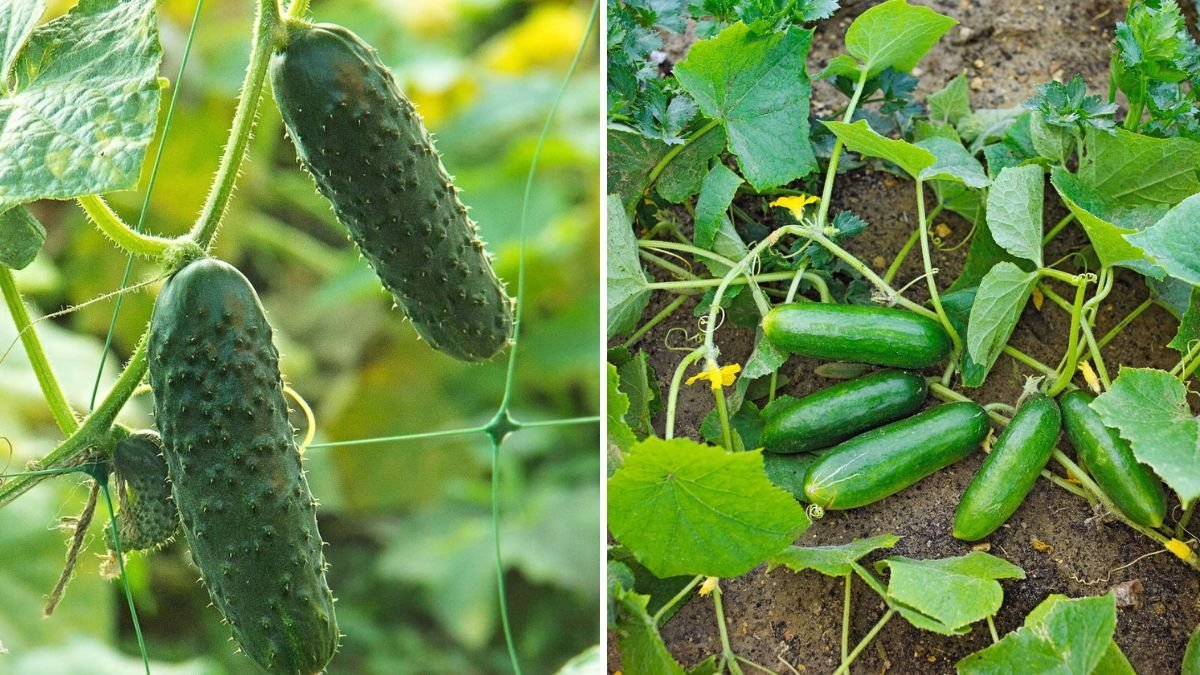
Cucumbers are one of the most refreshing and versatile vegetables to grow in your garden. Whether you enjoy them in salads, sandwiches, or pickles, nothing compares to the crisp flavor of a freshly harvested cucumber from your own vines. However, cucumbers are notorious space hogs — their long, sprawling vines can quickly take over garden beds or containers.
The good news? You can grow cucumbers vertically — saving space, improving air circulation, and even boosting your harvest. By training cucumber vines to climb upward using trellises, poles, or cages, you can turn a small garden or balcony into a productive cucumber oasis.
Here’s your 6-step guide to growing cucumbers vertically — a simple, practical approach that yields healthy plants and abundant fruit, even in compact spaces.
Step 1: Choose the Right Cucumber Variety

Not all cucumber varieties are suited for vertical gardening. When you grow cucumbers upward, you need plants that can climb easily and produce manageable-sized fruits.
Best Varieties for Vertical Growing:
- ‘Marketmore 76’ – A classic slicing cucumber that’s disease-resistant and perfect for trellising.
- ‘Straight Eight’ – Produces smooth, uniform fruits that grow well on vertical supports.
- ‘Spacemaster’ – A compact variety ideal for container and small-space gardens.
- ‘Lemon Cucumber’ – Round, yellow fruits with mild flavor; vines climb beautifully.
- ‘Bush Champion’ – A bush-type hybrid great for smaller trellises or cages.
- ‘Burpless Tasty Green’ – Long, slender cucumbers that thrive when grown upward.
Choose varieties based on your available space and whether you prefer slicing cucumbers for salads or pickling types for canning.
Step 2: Select the Perfect Location and Support System

Cucumbers are sun-loving plants that thrive in warm, bright conditions. They need at least 6–8 hours of full sunlight daily to produce flavorful, crisp fruits.
Choosing the Right Location:
- Pick a sunny spot — such as along a south-facing wall, fence, or balcony railing.
- Ensure good air circulation to prevent fungal diseases like powdery mildew.
- If growing in containers, use pots that are at least 12–14 inches deep with drainage holes.
Support Structures for Vertical Growth:
Cucumbers love to climb, and providing a sturdy support is crucial for successful vertical gardening. You can use:
- Trellises: A-frame or flat trellises made from wood, bamboo, or metal.
- Garden Netting: Stretch nylon or wire mesh vertically between stakes or poles.
- Tomato Cages: Great for bush-type cucumbers or smaller varieties.
- String or Wire Supports: Ideal for balcony or patio setups.
Make sure your support structure is 5–6 feet tall, stable, and strong enough to handle the weight of mature vines and fruits.
Step 3: Prepare the Soil or Container Mix

Healthy soil is the foundation of a thriving cucumber crop. Cucumbers need nutrient-rich, loose, and well-draining soil that retains moisture without becoming soggy.
Ideal Soil Mix for Cucumbers:
- 40% garden soil or topsoil
- 30% compost or aged manure
- 20% coco peat or peat moss (for moisture retention)
- 10% perlite or sand (for drainage and aeration)
Soil pH and Fertility:
Cucumbers prefer a slightly acidic to neutral soil, with a pH between 6.0 and 7.0.
Before planting, enrich the soil with organic fertilizer — such as bone meal, vermicompost, or well-rotted compost — to supply the nitrogen, phosphorus, and potassium cucumbers need to grow strong.
If you’re using containers, make sure they’re at least 14 inches deep and wide enough to accommodate the vine roots. Use a high-quality potting mix to ensure good drainage and nutrient availability.
Step 4: Planting and Training Your Cucumber Vines

Once your soil and supports are ready, it’s time to plant your cucumber seeds or seedlings.
How to Plant:
- Sow seeds directly in the soil when temperatures stay above 65°F (18°C).
- Plant seeds 1 inch deep and about 12–18 inches apart along the base of your trellis or support.
- If using seedlings, gently transplant them with minimal root disturbance.
- Water thoroughly after planting to help the soil settle around the roots.
Training Cucumber Vines:
As cucumber vines grow, guide them gently toward the trellis or support. You can:
- Tie them loosely using soft garden twine or fabric strips.
- Tuck tendrils into the trellis holes as they begin to reach out.
- Regularly check for new growth and train vines upward every few days.
By training cucumbers vertically, you’ll ensure better airflow, easier harvesting, and less fruit rot compared to ground-grown vines.
Step 5: Watering, Feeding, and Maintenance

Cucumbers are thirsty plants — they need consistent moisture to produce tender, juicy fruits. Uneven watering can cause bitter cucumbers or misshapen growth, so maintaining regular hydration is key.
Watering Tips:
- Water deeply 2–3 times per week, depending on temperature and soil type.
- Keep soil consistently moist but not soggy.
- Water at the base of the plant, not on leaves, to prevent fungal diseases.
- Apply mulch (straw, grass clippings, or compost) around the base to retain moisture and regulate temperature.
Feeding Schedule:
- Mix slow-release organic fertilizer into the soil at planting time.
- Once plants start flowering, feed with liquid fertilizer (like seaweed extract or compost tea) every 10–14 days.
- For abundant fruiting, use a fertilizer high in potassium and phosphorus — cucumbers thrive on these nutrients during flowering and fruiting stages.
Maintenance:
- Prune side shoots or overcrowded growth to encourage air circulation.
- Remove yellowing leaves and spent flowers to keep plants healthy.
- Regularly check for pests like aphids, whiteflies, and cucumber beetles — use neem oil or insecticidal soap for control.
With proper watering, feeding, and pruning, your cucumber vines will stay strong, productive, and disease-free.
Step 6: Harvesting and Post-Harvest Care
After about 50–70 days from planting (depending on variety), your cucumbers will be ready to harvest. This is the most rewarding part of your vertical gardening journey!
When to Harvest:
- Pick cucumbers when they are firm, smooth, and bright green.
- Harvest slicing varieties when they reach 6–8 inches long, and pickling cucumbers at 3–5 inches.
- Avoid letting cucumbers grow too large — overripe fruits become bitter and reduce overall plant productivity.
How to Harvest:
- Use scissors or pruning shears to cut the fruit cleanly from the vine.
- Harvest regularly (every 2–3 days) to encourage continuous fruiting.
Post-Harvest Tips:
- Rinse cucumbers gently with cool water.
- Store them in the refrigerator for up to a week for maximum freshness.
- For long-term use, consider pickling or fermenting your harvest.
By keeping up with consistent harvesting, your cucumber plants will continue to produce abundantly throughout the growing season.
Bonus Benefits of Vertical Cucumber Gardening
Growing cucumbers vertically isn’t just space-efficient — it also provides numerous gardening benefits:
- Healthier Plants: Better airflow reduces fungal problems and disease.
- Cleaner Fruit: Fruits hang freely, away from soil and pests.
- Easier Harvesting: No bending or searching under vines — fruits are easy to see and pick.
- Space Savings: Great for balconies, patios, or small gardens.
- Higher Yields: Vertical growth exposes more leaves to sunlight, improving photosynthesis and fruit production.
- Aesthetic Appeal: Trellised cucumber vines create a lush, green wall — perfect for adding beauty to your space.
Final Thoughts
You don’t need acres of land to grow your own fresh, crispy cucumbers. With vertical gardening, you can maximize your harvest in minimal space while keeping your garden tidy and productive.
By following this 6-step guide to growing cucumbers vertically — choosing the right variety, providing sturdy support, enriching your soil, training your vines, maintaining proper care, and harvesting regularly — you’ll enjoy a steady supply of delicious cucumbers throughout the season.
So grab your seeds, set up a trellis, and watch your cucumbers climb their way to success — transforming even the smallest space into a thriving, green, and fruitful garden.

Leave A Comment