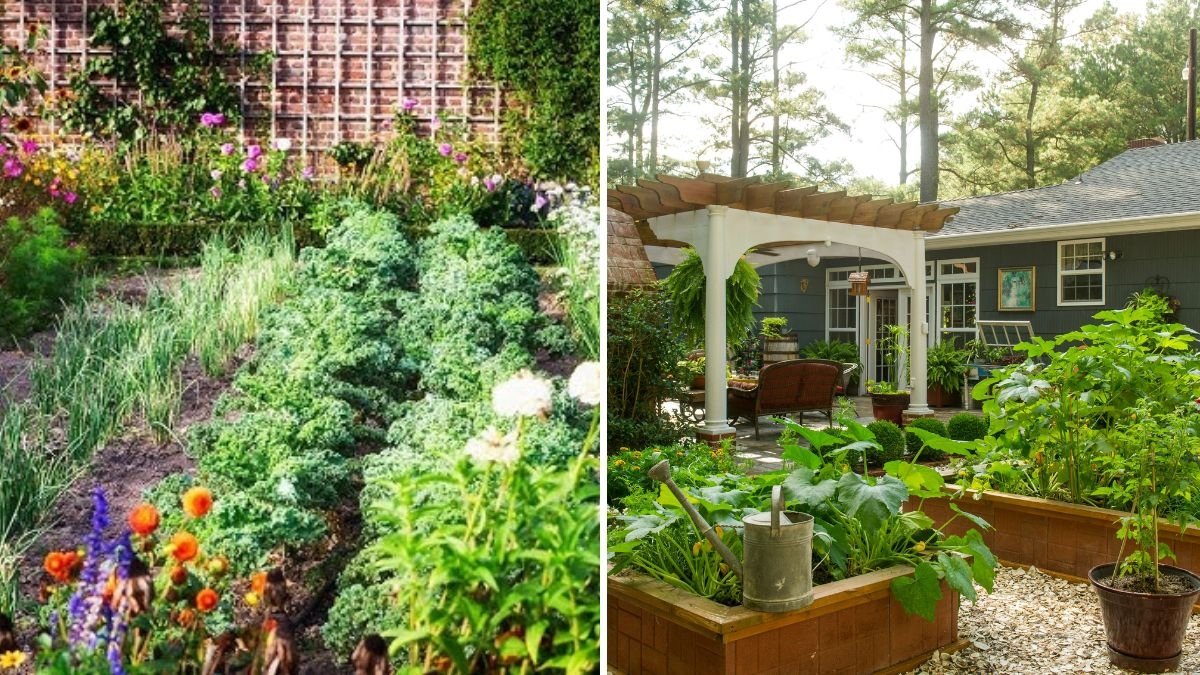
If you’ve ever dreamed of growing your own vegetables, herbs, or flowers but struggled with poor soil, limited space, or back-breaking work, a raised bed garden might be the perfect solution. Raised beds not only make gardening easier and more organized, but they also improve soil quality, drainage, and productivity. Whether you have a small backyard, patio, or even just a sunny balcony, raised bed gardening can turn any space into a thriving green oasis.
In this article, we’ll walk you through a simple 5-step guide to starting a raised bed garden — from choosing the right location to filling it with nutrient-rich soil. With a little planning and effort, you’ll have a beautiful, productive garden that yields fresh produce season after season.
Step 1: Choose the Right Location

Every successful garden begins with the right location. Raised beds give you flexibility — you can place them anywhere with sufficient light and access to water.
Sunlight Requirements
Most vegetables and herbs thrive in full sunlight, which means at least 6–8 hours of direct sunlight daily. Choose a spot that gets plenty of morning or midday sun. Avoid shaded areas near trees, fences, or buildings, as too much shade can slow plant growth.
Accessibility and Convenience
Select a location that’s easy to reach for watering, weeding, and harvesting. If you have multiple raised beds, leave at least 18–24 inches of space between them for walking and maintenance.
Also, think about water access — the closer your bed is to a hose or water source, the easier it will be to keep plants hydrated during dry spells.
Drainage Considerations
Avoid low-lying areas that tend to flood or retain water. Raised beds are designed to improve drainage, but too much water around them can still cause problems. A slightly elevated or level area works best.
Step 2: Design and Build Your Raised Bed

Once you’ve chosen your site, it’s time to design and construct your raised bed. One of the biggest benefits of raised bed gardening is the ability to customize size, shape, and height based on your needs and available space.
Ideal Size and Dimensions
- Width: Keep it between 3–4 feet wide so you can easily reach the center from either side without stepping into the bed.
- Length: Anywhere from 4 to 8 feet works well — customize it based on your available area.
- Depth: A minimum of 10–12 inches is ideal for most vegetables. Deep-rooted crops like carrots or tomatoes may need up to 18 inches.
Material Options
You can build raised beds from a variety of materials, depending on your budget and style preference:
- Wood: Affordable and easy to work with. Use rot-resistant woods like cedar, redwood, or untreated pine.
- Metal: Galvanized steel beds are durable and stylish, with excellent longevity.
- Stone or Brick: Permanent and attractive, perfect for decorative gardens.
- Recycled Materials: Old pallets, barrels, or large containers can also be repurposed for raised gardening.
Avoid using treated wood (like old railway ties or pressure-treated lumber), as they can leach harmful chemicals into the soil.
Assembly Tips
- Mark your garden area with stakes and string.
- Level the ground if necessary.
- Build your frame using screws or corner brackets.
- Line the bottom with hardware cloth or fine mesh to prevent burrowing pests.
- Optionally, lay down cardboard or newspaper to suppress weeds before filling the bed.
Your raised bed frame is now ready to be filled with soil!
Step 3: Fill with the Perfect Soil Mix

Soil quality is the key to a healthy and productive raised bed garden. Unlike traditional in-ground gardens, you have full control over what goes into your raised bed — allowing you to create an ideal growing environment from the start.
Ideal Raised Bed Soil Mix
A well-balanced soil blend should retain moisture while allowing excess water to drain freely. The most popular and effective mix is often referred to as “Mel’s Mix” (from Square Foot Gardening):
- 1/3 compost – Adds nutrients and supports microbial life.
- 1/3 peat moss or coco coir – Improves moisture retention and texture.
- 1/3 vermiculite or perlite – Enhances aeration and drainage.
If you’re filling several large beds, you can also make a bulk blend like this:
- 50% high-quality topsoil
- 30% compost or aged manure
- 20% coarse sand or perlite
Adding Nutrients and Amendments
Mix in organic fertilizers before planting, such as:
- Bone meal for phosphorus
- Blood meal or fish emulsion for nitrogen
- Wood ash or kelp meal for potassium
Top off with a 2-inch layer of compost every season to replenish nutrients and keep the soil healthy and fertile.
Step 4: Choose and Plant Your Crops

Once your soil is ready, it’s time to select the right crops for your raised bed. Because raised beds warm up faster and drain better than traditional garden plots, you can start planting earlier in the season and enjoy faster growth.
Best Vegetables for Raised Beds
Raised beds are perfect for growing a wide variety of vegetables, herbs, and flowers. Some top choices include:
- Leafy greens: Lettuce, spinach, kale, and arugula
- Root crops: Carrots, radishes, beets, and onions
- Fruiting plants: Tomatoes, peppers, and cucumbers
- Herbs: Basil, parsley, cilantro, rosemary, and thyme
Companion Planting Tips
Raised beds lend themselves perfectly to companion planting — the practice of pairing crops that benefit each other. For example:
- Tomatoes + Basil: Improves flavor and deters pests.
- Carrots + Onions: Each repels the other’s pests.
- Lettuce + Radishes: Radishes loosen the soil for lettuce roots.
Planting Technique
- Plan spacing carefully: Overcrowding can stunt growth and attract disease.
- Stagger planting times: Plant quick growers (like radishes) alongside slower ones (like tomatoes).
- Mulch after planting: Use straw or shredded leaves to retain moisture and suppress weeds.
Step 5: Water, Maintain, and Enjoy Your Garden

Once your crops are planted, ongoing care ensures strong, productive growth. Raised beds make maintenance simpler — fewer weeds, better drainage, and less bending!
Watering
Raised beds dry out faster than ground gardens, so consistent watering is key.
- Water deeply 2–3 times a week, depending on weather conditions.
- Water early in the morning to reduce evaporation.
- Use drip irrigation or soaker hoses to deliver moisture directly to roots.
Mulching your bed with straw, bark chips, or compost will also help retain soil moisture.
Fertilizing
Feed plants every few weeks with organic fertilizers or compost tea.
A good rule of thumb:
- Leafy greens: Need more nitrogen.
- Root crops: Prefer balanced nutrients.
- Fruiting vegetables: Need higher phosphorus and potassium.
Pest and Weed Management
- Check plants regularly for pests like aphids, snails, and caterpillars.
- Remove weeds as soon as they appear — though raised beds have far fewer than in-ground gardens.
- Use natural solutions like neem oil, garlic spray, or beneficial insects instead of harsh chemicals.
Seasonal Maintenance
At the end of the season:
- Remove old plant debris to prevent disease.
- Add a fresh layer of compost.
- Rotate crops yearly to maintain soil fertility and prevent pest buildup.
With these simple care steps, your raised bed will stay productive for years to come.
Final Thoughts
Starting a raised bed garden is one of the most rewarding ways to grow your own food. It simplifies gardening, reduces weeds, and lets you control your soil quality — all while producing an impressive amount of fresh, healthy produce in a small space.
By following this 5-step guide, you’ll have everything you need to create your raised bed garden:
- Pick the perfect sunny location.
- Build a sturdy, well-sized bed.
- Fill it with nutrient-rich soil.
- Choose the right plants.
- Maintain your garden with care and consistency.
Whether you’re a beginner gardener or an experienced grower, raised beds make it easy to enjoy gardening success from the very first season. With just a few hours of setup, you’ll soon be harvesting fresh vegetables, fragrant herbs, and vibrant flowers — all from your own beautiful, elevated garden space.

Leave A Comment